The Essential Guide to Lanyard ID Card Holders: Enhancing Professionalism and Security in the Workplace

In today’s professional landscape, the lanyard ID card holder has evolved from a mere functional accessory to an indispensable tool that blends security, professionalism, and personal style. Beyond their primary role of displaying identification, these versatile items contribute significantly to workplace safety protocols and project an image of organized efficiency. As businesses increasingly prioritize secure environments and a polished corporate image, the demand for well-designed and durable lanyard ID card holders has surged, prompting a closer look at the market’s offerings. This comprehensive guide explores the multifaceted benefits of lanyard ID card holders and highlights a selection of top-tier products from reputable local brands that are setting new standards in quality and functionality.
The Importance of Lanyard ID Card Holders in Modern Workplaces

The integration of lanyard ID card holders into daily work routines stems from a confluence of practical needs and evolving corporate culture. In environments where access control is paramount, such as corporate offices, manufacturing facilities, and event venues, clear and readily accessible identification is the first line of defense against unauthorized entry. This not only safeguards sensitive company assets and proprietary information but also ensures the safety of all personnel by making it easy to identify authorized individuals.
Furthermore, the consistent display of an ID badge, facilitated by a lanyard, fosters a sense of accountability and professionalism. It signifies that an individual is a recognized member of the organization, adhering to its standards and protocols. This visual cue can subtly influence behavior, encouraging greater diligence and a more professional demeanor. In client-facing roles, a well-presented ID badge can also instill confidence and trust, reinforcing the organization’s credibility.
The functional aspect of lanyard ID card holders is equally critical. They offer a convenient way to keep identification cards, access cards, and even small amounts of cash or credit cards within easy reach, minimizing the need to constantly retrieve items from pockets or bags. This practicality is particularly beneficial in fast-paced work environments where efficiency is key. The evolution of lanyard designs has also incorporated features like adjustable straps and multiple compartments, catering to diverse user needs and preferences.

A Look at Leading Local Brands and Their Offerings
Recognizing the growing importance of these accessories, several local brands have emerged, offering high-quality lanyard ID card holders that combine durability, style, and practicality. These brands, often rooted in understanding the specific needs of the Indonesian market, are providing solutions that resonate with professionals across various industries.
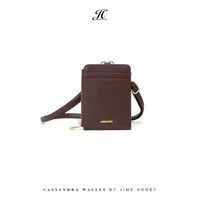
Jims Honey – Cassandra Wallet Multifunction – Lanyard Wallet
Jims Honey, a well-regarded name in fashion accessories, presents the Cassandra Wallet. This product ingeniously combines the function of a lanyard with that of a wallet, offering a comprehensive solution for daily essentials. Crafted from Grade A synthetic leather, the Cassandra Wallet exudes an elegant appearance. Its design is thoughtfully engineered to accommodate not only identification but also other vital items.
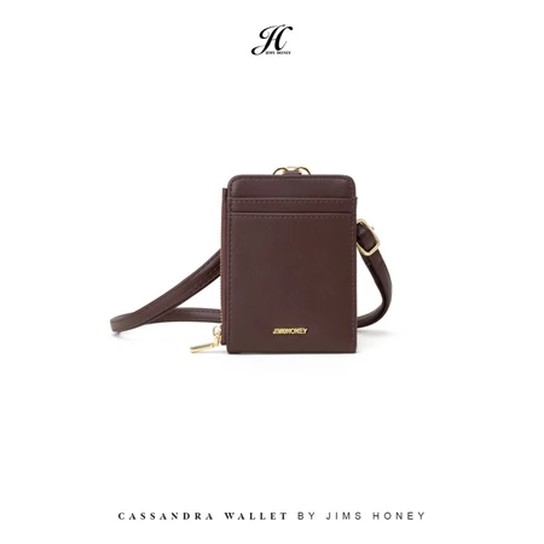
The wallet features multiple card slots, a compartment for banknotes, and a dedicated space for photographs, ensuring that users can carry their most important belongings in one organized unit. The secure closure, secured by a snap button, and a zippered compartment provide an added layer of security for contents. The adjustable lanyard strap enhances comfort and usability, making it an ideal companion for daily commutes and professional activities. The material’s resilience, coupled with its sophisticated aesthetic, makes the Cassandra Wallet a standout choice for those seeking both utility and style.
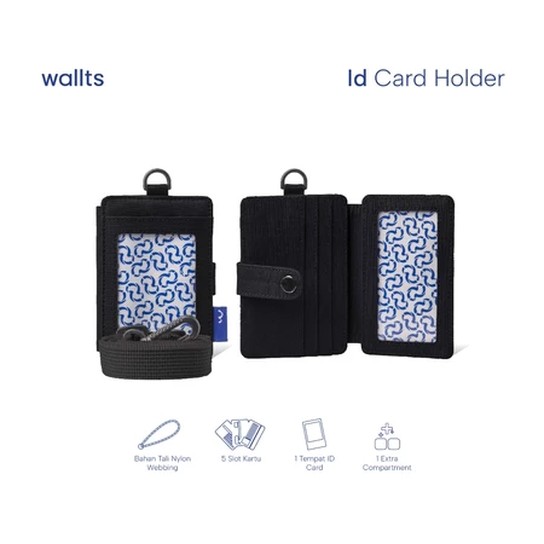
Wallts Pebble – Lanyard Name Tag ID Card Holder Unisex for Men and Women
Wallts Wallet Goods, known for its practical and stylish accessories, offers the Pebble lanyard name tag ID card holder. This product adopts a casual yet refined design, constructed from durable polyester canvas. Its lightweight nature makes it comfortable for extended wear, while its robust material ensures longevity. The Pebble is not just a holder for ID cards; it is designed to be a compact organizer for various essential items.
The interior boasts several card slots, an additional general compartment, and a photo holder, providing ample space for personal effects. A snap button closure secures the contents, and the adjustable strap allows users to customize the length for optimal comfort. The unisex appeal of the Wallts Pebble makes it a versatile option for both male and female professionals, aligning with contemporary workplace inclusivity. Its blend of casual aesthetics and functional design makes it suitable for a wide range of professional settings, from creative agencies to educational institutions.
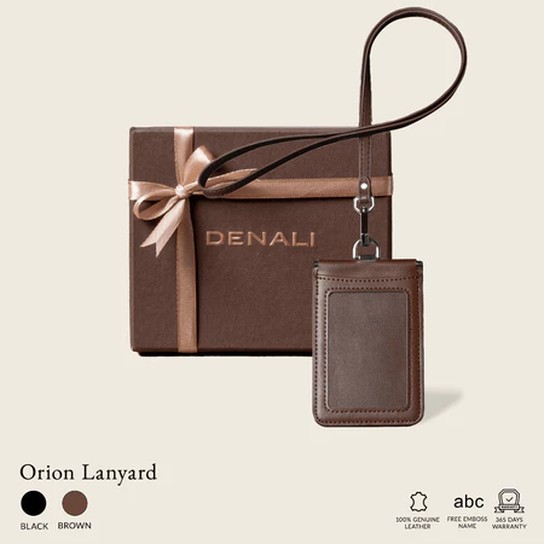
Denali – Orion Lanyard / ID Card Holder Unisex
Denali elevates the concept of an ID card holder with its Orion Lanyard. This product projects a premium image, utilizing genuine cowhide leather accented with polished silver-tone metal hardware. The classic design of the Orion Lanyard imparts a sense of neatness and professionalism, making it an excellent choice for individuals who value a sophisticated appearance.
The holder features a primary slot specifically designed for identity cards and a convenient compartment on the reverse side for additional items. The subtle yet distinctive embossed Denali logo and the high-quality finishing contribute to its exclusive appeal. For professionals working in formal corporate environments, such as finance, law, or executive management, the Denali Orion offers a distinguished accessory that complements their professional attire and reinforces their commitment to presenting a polished image.
Ray Clayn – ID Card Lanyard
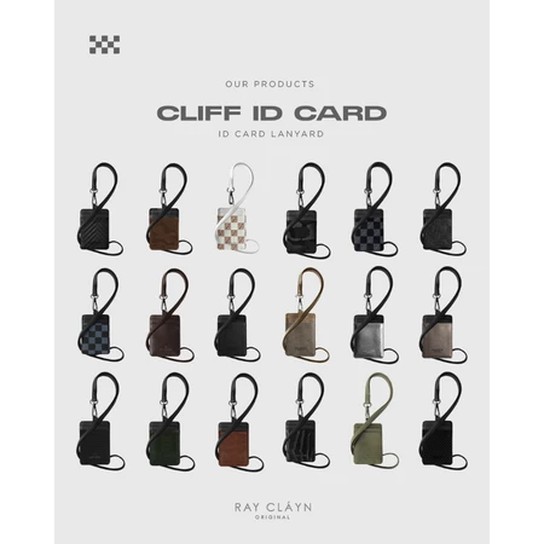
Ray Clayn presents an ID card lanyard characterized by its elegant design and premium materials. Constructed from high-quality faux leather, it is lined with a smooth satin interior, ensuring a luxurious feel and comfortable wear. The design is meticulously crafted to project an aura of sophistication while prioritizing user comfort.
The lanyard includes three practical card slots, facilitating easy access to essential work cards. A debossed Ray Clayn logo adds a subtle branding element, and the accompanying care instructions emphasize the product’s longevity. For individuals who appreciate fine details and a touch of luxury in their everyday accessories, the Ray Clayn ID Card Lanyard offers a refined choice that enhances their professional presentation.
DRM Lanyard, Name Tag, ID Card
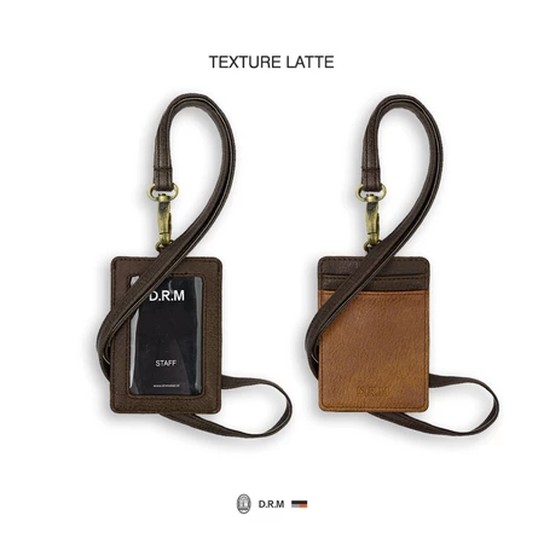
DRM’s Lanyard, Name Tag, and ID Card holder is fashioned from vegan leather, presenting a classic and sophisticated aesthetic. The design prioritizes both functionality and visual appeal, aiming to enhance the professional appearance of its users.
This accessory is equipped with multiple card storage options, a clear display slot for identification, and a robust metal hook for secure attachment. The DRM lanyard is an ideal complement to work attire, offering a practical and stylish solution for carrying identification. Its versatile design makes it suitable for various professional roles, from administrative staff to project managers, providing a reliable and fashionable means of displaying credentials.
SL.ID Cario Holder ID Card Wallet
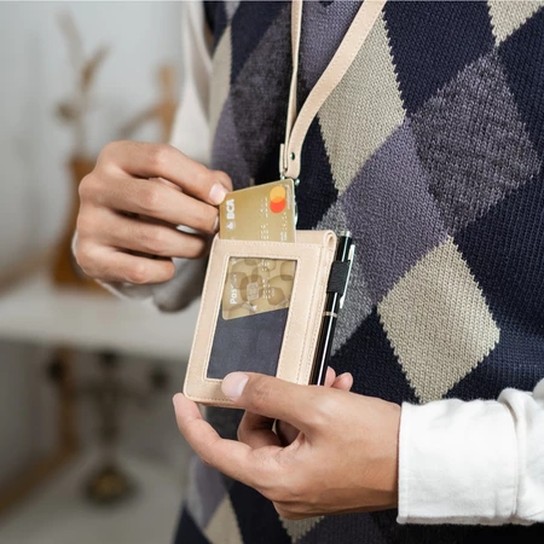
The SL.ID Cario offers a compact design crafted from high-quality synthetic leather, available in an array of elegant colors. This product is specifically engineered to streamline the carrying of various essential items into a single, convenient unit.
It features numerous slots designed to hold cards, cash, and even small stationery items like pens. Its compact form factor ensures comfortable portability and suitability for daily use. The SL.ID Cario is an excellent option for individuals seeking an all-in-one solution that combines organization and ease of access, making it a practical choice for professionals on the go who value efficiency and a clutter-free workspace.
Stery by Her – Lanyard Name Tag Aesthetic Paracord
Stery by Her introduces a unique and aesthetically pleasing lanyard crafted from paracord, offering a distinctive look. This versatile accessory is suitable for holding ID cards or even smartphones, making a stylish statement.
The lanyard features an adjustable strap, allowing for personalized length settings, and is available in a variety of colors to match individual preferences. The addition of premium crystal embellishments lends a sophisticated touch, making it an ideal accessory to complement diverse personal styles. For those who wish to infuse their professional attire with a unique and fashionable element, the Stery by Her lanyard provides an eye-catching and practical solution.
Broader Implications and Future Trends
The continued evolution of lanyard ID card holders reflects broader trends in workplace design and personal branding. As companies increasingly embrace hybrid work models and focus on creating inclusive and secure environments, the demand for accessories that serve multiple functions – security, identification, and personal expression – is likely to grow. Innovations in materials, such as the use of sustainable and recycled components, may also become more prominent, aligning with corporate social responsibility initiatives.
The trend towards personalization, seen in the diverse aesthetic offerings from brands like Stery by Her, suggests a growing desire among professionals to use accessories as a form of self-expression, even within formal work settings. The integration of smart technology, such as NFC chips embedded within ID card holders for seamless access and payment, could also represent a future frontier in this product category.
Ultimately, the lanyard ID card holder has transcended its basic utility to become a significant element in the modern professional’s toolkit. It is a testament to how even small accessories can play a vital role in enhancing security, projecting professionalism, and contributing to a positive and efficient work environment. As businesses continue to adapt to new challenges and opportunities, the humble lanyard ID card holder will undoubtedly remain a relevant and evolving component of the professional landscape.