Eating for Cognitive Longevity: The MIND Diet Shows Promise in Slowing Structural Brain Aging

As global populations age, the search for actionable lifestyle interventions to preserve cognitive health has intensified. Recent scientific findings suggest that what ends up on our plates may play a profound role in shaping the physical structure of our brains well into our later years. According to a comprehensive study published online in the Journal of Neurology Neurosurgery & Psychiatry, a dietary framework that merges the principles of the Mediterranean diet with the blood-pressure-lowering strategies of the Dietary Approaches to Stop Hypertension (DASH) plan—known collectively as the MIND diet—is closely associated with a deceleration of structural brain aging.
The investigation, which tracked a substantial cohort of middle-aged and older adults over an extended period, provides compelling evidence that greater adherence to this specialized nutritional regimen correlates with less brain tissue deterioration over time. Specifically, researchers observed diminished losses in grey matter—the vital neural tissue responsible for memory retention, learning processes, decision-making, and complex information processing—as well as reduced enlargement of the brain’s fluid-filled ventricles. Because ventricular expansion typically mirrors the shrinking of surrounding brain tissue, these findings offer a tangible physiological link between dietary habits and the preservation of neurological integrity.
Deconstructing the MIND Diet: A Blueprint for Neuroprotection
The Mediterranean-Dietary Approaches to Stop Hypertension Diet Intervention for Neurodegenerative Delay (MIND) diet was specifically formulated by nutritional epidemiologists and neuroscientists to combat cognitive decline. Previous research has consistently pointed to its benefits for overall cognitive health, yet the exact mechanisms by which it influences structural brain changes—particularly those associated with neurodegenerative disorders like Alzheimer’s and Parkinson’s diseases—have remained an active area of inquiry.
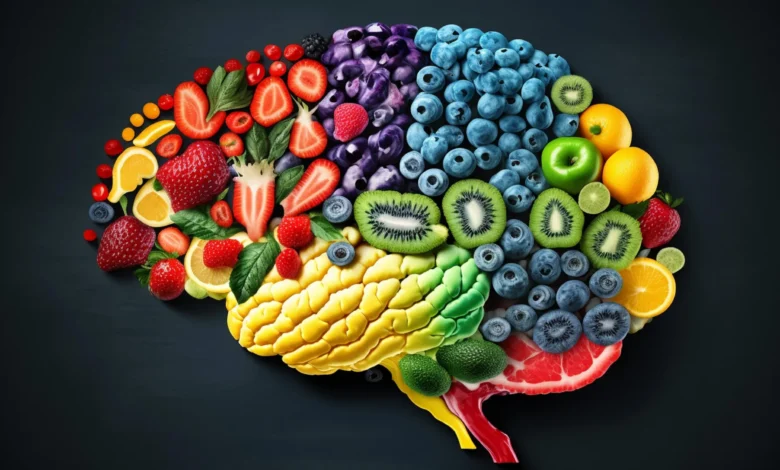
The dietary pattern places a strong emphasis on consuming specific food groups rich in antioxidants, vitamins, and healthy fats. Followers are encouraged to regularly eat green leafy vegetables, a variety of other vegetables, berries, nuts, whole grains, fish, beans, olive oil, and poultry, complemented by moderate consumption of wine. Conversely, the diet explicitly advises minimizing the intake of butter, margarine, cheese, red meat, pastries, sweets, and fried or fast foods.
By combining the cardiovascular benefits of the DASH diet with the neuroprotective properties traditionally attributed to the Mediterranean diet, the MIND framework targets multiple pathways implicated in brain aging, including oxidative stress, inflammation, and vascular health.
A Longitudinal Investigation: Tracking Brain Changes Across Decades
To evaluate the relationship between this dietary regimen and structural brain alterations, researchers turned to data from the prestigious Framingham Heart Study Offspring cohort (FOS). This ongoing epidemiological project provided a robust foundation for examining long-term health trends.
The study analyzed 1,647 participants who were, on average, 60 years old at the initiation of the research. Throughout the tracking period, participants underwent systematic health evaluations every four to eight years. Crucially, beginning in 1999, a subset of these individuals underwent regular magnetic resonance imaging (MRI) brain scans at intervals ranging from two to six years.
Dietary habits were meticulously quantified using at least one food frequency questionnaire (FFQ) completed during routine check-ups conducted between 1991 and 2001. To ensure baseline consistency, every participant included in the final analysis had completed at least two brain MRI assessments between 1999 and 2019 and exhibited no clinical evidence of stroke or dementia at the time of their initial scan.
Quantifying the Adherence and Demographic Landscape
Across the study population, adherence to the MIND diet varied. The average participant scored just under 7 out of a possible 15 points, with higher scores denoting stricter adherence to the recommended eating pattern.
An analysis of the demographic and lifestyle characteristics of participants in the highest third of MIND diet adherence revealed distinct patterns. These individuals were statistically more likely to be women and to hold college degrees. Furthermore, they demonstrated healthier baseline lifestyle habits, being less likely to smoke or struggle with obesity.
They also exhibited a lower prevalence of major chronic conditions known to compromise cerebral health, such as type 2 diabetes, hypertension, and cardiovascular disease. These baseline differences underscore the complex interplay between diet, socioeconomic factors, and overall metabolic health, though the researchers adjusted their analytical models to account for potential confounding variables.
Quantitative Findings: Slower Grey Matter Loss and Reduced Ventricular Expansion
Over an average follow-up duration of 12 years, sequential MRI scans documented the typical morphological changes associated with advancing age across the cohort. These natural trajectories included reductions in total brain volume, grey matter volume, white matter volume, and hippocampal volume. Concurrently, researchers noted increases in cerebrospinal fluid, ventricular volumes, and white matter hyperintensities—bright anomalies visible on MRI scans that often signal underlying tissue damage or small vessel disease.
Despite these age-related trends, participants who maintained higher MIND diet scores experienced a measurably slower degradation of grey matter. Specifically, every three-point increase in a participant’s MIND diet score was associated with a reduction in annual grey matter loss equivalent to 0.279 cubic centimeters per year. According to the study’s authors, this protective association corresponds to approximately 20% less age-related neurological decline, effectively translating to a delay in brain aging of roughly 2.5 years.
A parallel trend emerged when evaluating ventricular enlargement. Each three-point rise in the MIND diet score correlated with a slower expansion of total ventricular volume by 0.071 cubic centimeters per year. This deceleration represents roughly 8% less tissue loss and amounts to approximately one year of delayed brain aging.
The Influence of Specific Food Groups: Berries, Poultry, and Unexpected Outliers
When researchers broke down the dietary components to determine which specific foods drove these associations, distinct patterns emerged. Higher intake of berries was robustly linked to slower increases in ventricular volume. Similarly, regular consumption of poultry was associated with both slower ventricular enlargement and a more modest decline in grey matter volume.
Conversely, dietary choices high in sugars and unhealthy fats yielded detrimental associations. Higher consumption of sweets correlated with accelerated ventricular enlargement and greater hippocampal atrophy. In a similar vein, the frequent intake of fried and fast foods was tied to more pronounced declines in hippocampal volume.
The researchers hypothesized underlying biological mechanisms for these observations. Foods recommended by the MIND diet that are rich in antioxidants—such as berries—alongside high-quality protein sources like poultry, may work synergistically to reduce oxidative stress and mitigate neuronal damage. In contrast, fried and fast foods, which frequently contain high levels of unhealthy fats, trans fats, and advanced glycation end-products, may actively promote systemic inflammation and vascular degradation within the brain.
Not all findings aligned neatly with conventional nutritional assumptions, however. Higher intake of whole grains was unexpectedly associated with several unfavorable structural metrics, including faster losses of grey matter and hippocampal volume, as well as accelerated ventricular enlargement. Conversely, cheese consumption demonstrated an inverse pattern, showing positive associations with slower declines in grey matter and hippocampal volume, less ventricular expansion, and fewer white matter hyperintensities. These nuanced results highlight the ongoing complexity of nutritional science and the need for further targeted investigation into specific food constituents.
Amplified Benefits Among Older and Physically Active Adults
Subgroup analyses revealed that the protective associations linked to the MIND diet were not uniform across all demographics. The positive correlations appeared stronger among older participants within the cohort. This observation suggests that adopting or maintaining a brain-healthy diet may be particularly impactful for individuals who face an elevated risk of rapid brain aging or who exhibit heightened variability in the rate of age-related brain atrophy.
Furthermore, stronger associations were observed among participants who maintained high levels of physical activity and those who avoided being overweight or obese. This synergistic trend raises the compelling possibility that combining a neuroprotective diet with other pillars of a healthy lifestyle—such as routine exercise and weight management—can substantially compound the reduction in neurodegenerative disease risk.
Methodological Limitations and the Cautionary Note on Causality
While the prospective design and long-term follow-up lend considerable weight to the findings, the study’s authors emphasized important methodological limitations that preclude definitive claims of cause and effect.
Because the research is observational in nature, it cannot definitively prove that the MIND diet directly caused the observed deceleration in structural brain changes. Additionally, dietary habits were evaluated using food frequency questionnaires, which rely heavily on participants’ long-term memory and recall accuracy, introducing the potential for recall bias.
The researchers were also unable to entirely rule out the presence of mild cognitive impairment at the time of the baseline MRI scans, nor could they fully account for potential shifts in dietary adherence over the decades-long follow-up period or the influence of unmeasured genetic risk factors. Furthermore, because the study cohort was predominantly White, the investigators caution that these conclusions may not be directly generalizable to ethnically and culturally diverse populations.
Broader Implications for Public Health and Future Research
Despite these constraints, the study provides a robust addition to the growing body of literature supporting nutritional neurology. By demonstrating a quantifiable relationship between a specific dietary pattern and the preservation of grey matter and ventricular structure, the research strengthens the case for dietary modification as a viable public health strategy.
As healthcare systems globally grapple with the rising prevalence of age-related cognitive impairments, interventions that are non-invasive, cost-effective, and empowering for individuals—such as dietary adjustments—hold immense value. The scientific consensus underscores that while food alone is not a panacea, structured dietary patterns like the MIND diet offer a scientifically grounded approach to supporting long-term neurological health, potentially buying aging individuals precious years of cognitive vitality.
Related posts: