Navigating Longevity: Essential Nutritional Strategies and Supplementation Guidelines for Women Across Decades


The pursuit of healthy aging remains a central focus of modern preventative medicine, yet the daily realities of managing professional responsibilities, domestic obligations, and personal commitments frequently overshadow long-term wellness planning. For many women, looking ahead two or three decades to future health states can feel abstract when immediate daily demands take precedence. However, contemporary nutritional science and epidemiological research increasingly demonstrate that cumulative, in-the-moment lifestyle decisions—spanning dietary choices, physical activity, sleep hygiene, and stress mitigation—exert a profound, long-term impact on systemic health and biological aging.
These foundational choices acquire heightened significance as women transition through successive decades of life. Endocrine fluctuations, particularly the gradual decline and eventual stabilization of estrogen levels, trigger a cascading systemic impact. Estrogen receptors are distributed widely throughout the body, meaning that hormonal shifts influence physiological systems ranging from mitochondrial energy production and cardiovascular integrity to bone mineral density, cognitive performance, and metabolic homeostasis. While lifestyle interventions such as targeted exercise and balanced nutrition form the cornerstone of healthy aging, clinical research indicates that strategic supplementation can effectively bridge nutritional gaps, supporting optimal physiological function both immediately and over the long term.
Physiological Shifts and Nutritional Demands in the Forties
Entering the fourth decade of life often marks the onset of perimenopause, a transitional phase characterized by fluctuating levels of estrogen, progesterone, and testosterone. Beyond its well-documented role in reproductive health, estrogen acts as a critical regulator of bone remodeling, muscle mass preservation, systemic cholesterol metabolism, blood sugar control, and neurological function.
Although dietary supplements cannot halt or reverse perimenopausal endocrine transitions, they provide essential structural and metabolic support. By targeting cellular vitality and energy production during this pivotal decade, individuals can establish a robust physiological foundation for subsequent life stages.

Vitamin D3 and Vitamin K2 Synergy
Often designated as the sunshine vitamin, Vitamin D functions as a cornerstone nutrient for healthy aging, influencing bone mineralization, cardiovascular performance, immune competence, and neurological health. Despite its abundance in specialized foods and endogenous synthesis via sunlight exposure, extensive public health data indicates that a substantial proportion of the population maintains suboptimal serum levels. Supplementation with Vitamin D3 is widely favored over D2 due to its superior efficacy in elevating circulating blood concentrations.
To maximize skeletal benefits, Vitamin D3 frequently operates in tandem with Vitamin K2. While Vitamin D enhances intestinal calcium absorption, clinical studies demonstrate that Vitamin K2 directs calcium utilization by activating specific proteins that facilitate bone deposition while inhibiting arterial calcification. Medical professionals routinely advise periodic 25-hydroxyvitamin D blood testing to individualize dosing regimens.
Magnesium Glycinate for Systemic and Musculoskeletal Support
Magnesium serves as an essential cofactor in over 600 enzymatic reactions across the human body, governing processes essential to muscle contraction, nerve signal transmission, cardiovascular health, and bone structural integrity. Furthermore, adequate magnesium status is required to activate Vitamin D effectively.
Despite its physiological ubiquity, dietary magnesium intake frequently falls below recommended thresholds, and physiological retention tends to decline with advancing age. Clinical investigations suggest that maintaining optimal magnesium levels supports everyday vitality and musculoskeletal resilience. Among various formulations, magnesium glycinate is frequently selected for its superior gastrointestinal tolerance and high bioavailability.
Mitochondrial Optimization via NAD+ Precursors
Fluctuating estrogen levels during perimenopausal transitions frequently disrupt mitochondrial efficiency. Nicotinamide adenine dinucleotide (NAD+) is an essential coenzyme required by mitochondria—the cellular powerhouses—to synthesize adenosine triphosphate (ATP), the primary energy currency of the cell. A complex biological interplay exists wherein estrogen supports NAD+ production, and NAD+ reciprocally influences endocrine signaling; hormonal fluctuations can thus compromise this delicate equilibrium.

As natural NAD+ metabolism declines with age, targeted precursor supplementation utilizing nicotinamide mononucleotide (NMN) or nicotinamide riboside (NR) has emerged as a promising strategy to support cellular energy pathways. Recent clinical trials published in geriatric and metabolic literature indicate that these precursors can successfully elevate bloodstream NAD+ levels, thereby sustaining metabolic signaling and physical performance in older adults. Certain formulations additionally incorporate compounds like resveratrol to provide concurrent cardiovascular and neuroprotective benefits.
Coenzyme Q10 and Cardiovascular Resilience
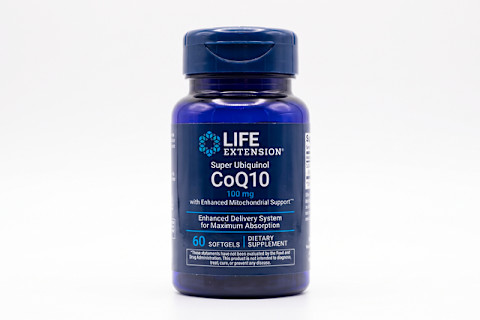
Coenzyme Q10 (CoQ10) functions as both a vital mitochondrial coenzyme and a potent intracellular antioxidant. While the myocardium, possessing exceptionally high energy demands, relies heavily on CoQ10, other metabolically active tissues—including the liver and skeletal muscles—also depend on adequate intracellular concentrations. Clinical research indicates that CoQ10 helps mitigate oxidative stress, dampens systemic inflammatory pathways, and alleviates age-related fatigue. Because endogenous CoQ10 biosynthesis decreases over time, bioavailable ubiquinol formulations are frequently utilized to restore optimal tissue levels.
Omega-3 Polyunsaturated Fatty Acids
Long-chain omega-3 polyunsaturated fatty acids, specifically eicosapentaenoic acid (EPA) and docosahexaenoic acid (DHA), are integral components of cellular membranes, particularly within the cardiovascular and central nervous systems. Because changing estrogen levels can adversely affect lipid profiles and vascular compliance, maintaining adequate omega-3 intake is critical. Clinical data demonstrates that EPA and DHA promote endothelial function, support healthy triglyceride levels, and help preserve high-density lipoprotein (HDL) cholesterol concentrations, contributing substantially to long-term cardiovascular longevity.
Postmenopausal Health Strategies for the Fifties
By the fifth decade, the majority of women have completed the menopausal transition, resulting in persistently lower, stable estrogen levels rather than the unpredictable fluctuations characteristic of perimenopause. Consequently, proactive investments in physical strength, bone mineral density, and metabolic resilience during this era yield compounding benefits for later decades.
Calcium Management and Bone Mineral Density
The attenuation of estrogen production accelerates bone resorption relative to formation, elevating the risk of osteopenia and osteoporosis. Calcium remains the primary mineral substrate for bone architecture; because the human body cannot synthesize it endogenously, consistent dietary intake is mandatory. Dairy products and fortified plant-based alternatives serve as primary dietary sources, though targeted supplementation is frequently required to meet clinical thresholds. To ensure maximum efficacy, calcium supplements should be co-administered with synergistic micronutrients, including Vitamin D, Vitamin K, and magnesium.

Collagen Peptide Supplementation for Connective Tissue Integrity
Cutaneous and structural alterations become increasingly pronounced in the postmenopausal phase, driven partly by the age-related decline in systemic collagen synthesis. Collagen is the most abundant structural protein in the body, providing tensile strength and elasticity to skin, articular cartilage, tendons, and bones.
Advanced nutritional science utilizes hydrolyzed collagen peptides—enzymatically cleaved protein fragments designed for enhanced intestinal absorption. Clinical trials evaluating hydrolyzed peptides indicate their utility in supporting joint comfort, cartilage preservation, and the reduction of fine facial lines by stimulating extracellular matrix regeneration.
Cognitive Preservation through Magnesium L-Threonate
Maintaining cognitive acuity and memory retention is a primary objective for aging adults. Beyond lifestyle interventions such as continuous mental stimulation and cognitive training, specialized micronutrient delivery can support neurological health. Magnesium L-threonate is a uniquely engineered compound specifically studied for its ability to cross the blood-brain barrier effectively. Clinical evaluations suggest this specialized magnesium salt supports synaptic plasticity, working memory, and overall cognitive processing speed.
Longevity Protocols for the Sixties and Beyond
In the sixth decade and beyond, longevity strategies pivot toward sustained cellular maintenance, comprehensive antioxidant defense, and the preservation of systemic metabolic output.
Methylated B-Vitamins (B6, B12, and Folate)
B-complex vitamins are essential for cellular energy conversion, erythropoiesis (red blood cell production), and neurological maintenance. However, physiological absorption capacity—particularly for Vitamin B12—diminishes significantly with age, with epidemiological studies estimating that up to 40 percent of individuals aged 60 and older experience marginal or deficient B12 status.
In addressing B-vitamin repletion, molecular form is paramount. Genetic variations, such as common polymorphisms in the MTHFR gene, can impair the body’s ability to convert synthetic folic acid into its metabolically active form, 5-methyltetrahydrofolate (5-MTHF). Consequently, clinicians frequently recommend active, pre-methylated formulations such as methylfolate and methylcobalamin to ensure direct cellular utilization without requiring enzymatic conversion.
Fisetin and Cellular Senescence Management
Fisetin is a naturally occurring flavonoid found in various fruits and vegetables that has gained prominence in geroscience research for its senolytic and antioxidant properties. Cellular senescence occurs when damaged cells cease division but fail to undergo programmed cell death (apoptosis), instead secreting pro-inflammatory factors that impair surrounding tissue function. Fisetin has been identified in preclinical models as a compound that assists the body in clearing senescent cells, thereby promoting healthy tissue homeostasis. Advanced supplement formulations frequently pair fisetin with specialized dietary fibers, such as galactomannan from fenugreek seeds, to protect the delicate compound from premature digestive degradation and enhance systemic bioavailability.
Microbiome Optimization via Targeted Probiotics
The human gastrointestinal microbiota undergoes significant compositional shifts with advancing age, which can influence systemic immunity, metabolic regulation, and nutrient absorption. While fermented foods contribute to microbial diversity, targeted probiotic supplementation is often required to deliver clinically validated strains of live microorganisms in therapeutic quantities. Selecting probiotic strains supported by rigorous human clinical trials ensures targeted benefits for gastrointestinal barrier function and systemic wellness.
Clinical Perspective and Personalized Implementation
While nutritional supplementation provides targeted physiological support across successive life stages, experts emphasize that supplements are designed to complement, rather than replace, foundational lifestyle practices. Regular resistance training, cardiovascular exercise, adequate sleep architecture, and a whole-food diet remain indispensable pillars of healthy aging.
Furthermore, because biological requirements vary considerably among individuals—particularly regarding hormonal status, metabolic rate, and micronutrient baseline levels—healthcare professionals strongly advise personalized consultations. Comprehensive blood testing and clinical evaluations enable providers to tailor supplement regimens safely, ensuring that interventions align precisely with individual health profiles and long-term longevity objectives.