Why Your Pillow Turns Yellow and How to Properly Maintain Your Bedding for Better Health

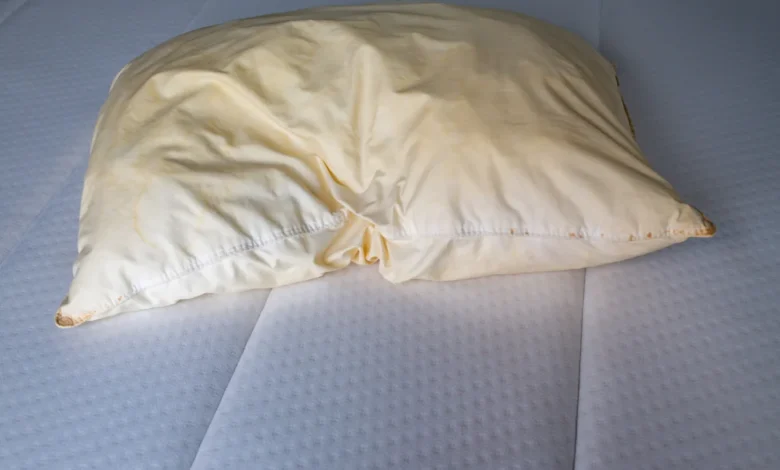
The appearance of yellow discoloration on a pillow, once the protective case is removed, is a common phenomenon that often goes unnoticed until the bedding is stripped for laundry. While many consumers assume that a clean pillowcase provides an impenetrable barrier against the elements, the reality is that sweat, sebum, skin-care residues, and microscopic debris frequently migrate through fabric layers. Over time, these substances accumulate within the pillow’s fill, resulting in visible yellow staining that signals a need for deeper maintenance or, in many cases, total replacement.
The Science of Discoloration: What Causes Yellowing
At the core of the yellowing process is the natural chemical reaction known as oxidation. Throughout an eight-hour sleep cycle, the human body functions as a source of moisture and organic matter. According to data from the Sleep Foundation and observations from medical experts, the average person loses between 500 milliliters and one liter of water each night through a combination of respiration and perspiration.
Dr. Shawn Nasseri, an ear, nose, and throat surgeon, notes that this loss of moisture is a physiological necessity, but it creates an ideal environment for staining. As perspiration, saliva, and natural skin oils (sebum) penetrate the weave of a pillowcase, they are absorbed by the underlying fabric and filling material. When these organic compounds are exposed to the oxygen in the room, they oxidize, a process that inherently changes their color to shades of yellow or light brown.
Furthermore, the modern bedtime routine often contributes to the problem. Many individuals apply dense nighttime moisturizers, heavy hair conditioners, or facial oils shortly before retiring. If these products have not fully absorbed into the skin or hair, they are effectively wiped off onto the pillowcase. These chemical compounds, when combined with body heat and sweat, accelerate the degradation of the pillow’s surface, creating a stubborn residue that standard laundering of the pillowcase cannot reach.
Chronology of Bedding Degradation
Understanding the lifecycle of a pillow is essential for maintaining hygiene. Most sleep experts categorize the degradation of a pillow into three distinct phases:
- The Accumulation Phase (Months 1–6): During the initial months of use, the pillow begins to absorb small amounts of moisture and oils. While not yet visible to the naked eye, this is when the microscopic buildup of dead skin cells and dust mite allergens begins.
- The Oxidation Phase (Months 6–18): As the buildup increases, the oxygen-exposed oils begin to yellow. During this period, the internal structure of the fill may start to collapse under the pressure of daily use, leading to a loss of loft and support.
- The Structural Failure Phase (Months 18–24+): By this point, the pillow is typically saturated with trapped skin debris and has lost its ergonomic efficacy. The yellow staining is likely pronounced, and the buildup of dust mite waste products is at its peak, often triggering respiratory or skin sensitivities.
Health Implications: Skin, Allergies, and Microbiome
The presence of a yellowed pillow is not merely an aesthetic issue; it carries potential health implications for individuals with specific sensitivities. The American Academy of Dermatology (AAD) has long cautioned that hair products, particularly those containing heavy oils or silicones, can migrate from the hair to the pillowcase and back onto the skin. This cycle is a known contributor to "pomade acne," a condition characterized by breakouts along the hairline, forehead, and jawline.

For those suffering from atopic dermatitis or eczema, the pillow surface can become a reservoir for bacteria. The National Eczema Association has highlighted that Staphylococcus aureus—a bacteria often found on the skin—can thrive in environments where moisture and organic matter are present. While a yellow pillow is not the primary cause of eczema, the accumulation of bacteria on bedding can aggravate existing skin conditions and trigger flare-ups.
Perhaps the most significant health concern involves indoor allergens. Dust mites, which thrive in warm, humid conditions, find the interior of a used pillow to be an ideal habitat. These organisms feed on the dead skin cells that settle into the pillow filling. The American Academy of Allergy, Asthma & Immunology (AAAAI) emphasizes that for allergy sufferers, the waste products from dust mites are potent triggers for sneezing, nasal congestion, and asthma. Consequently, a failure to manage the hygiene of the pillow itself can lead to chronic sleep disturbances and persistent morning allergy symptoms.
Expert Recommendations for Maintenance
To mitigate the accumulation of stains and allergens, dermatologists and sleep hygiene experts recommend a multi-tiered approach to bedding care:
- Pillowcase Hygiene: For the average person, washing pillowcases weekly is standard. However, Dr. Shamsa Kanwal, a board-certified dermatologist, advises increasing this frequency to twice weekly for individuals with oily skin, heavy perspiration, or those who use intensive hair and skincare products.
- The Use of Protective Barriers: A high-quality, washable pillow protector acts as a sacrificial layer. By using a zippered, hypoallergenic, or dust-mite-proof protector, consumers can prevent the vast majority of fluids and oils from ever reaching the pillow’s core. It is vital to distinguish between a standard protector and an allergen-proof one; the latter features a tighter weave or specialized membrane designed to block microscopic particles.
- Optimizing Skincare Timing: To prevent product transfer, experts suggest applying heavy moisturizers or serums at least one hour before lying down. This allows the product to fully absorb into the epidermis, reducing the amount of residue that ends up on the fabric.
- Managing Hair Moisture: Sleeping with damp or wet hair is a primary driver of both yellowing and microbial growth. Ensuring that hair is thoroughly dry before bedtime prevents the trapping of moisture inside the pillow, which is a significant factor in the speed of discoloration.
When to Retire Your Pillow
While discoloration is a clear indicator of age, it should not be the sole metric for replacement. A pillow that is clean but has lost its loft or is causing neck pain is no longer serving its purpose. The Sleep Foundation generally suggests that most pillows should be replaced every one to two years, though high-quality materials like latex or memory foam may last slightly longer with diligent care.
If a pillow has become flattened, lumpy, or provides inadequate support for the cervical spine, it has reached the end of its functional life, regardless of its color. However, if the pillow retains its shape and support, and the yellowing is purely superficial or limited to the cover, deep cleaning—if the manufacturer’s care label permits—can extend its life.
Broader Impact: The Consumer Responsibility
The broader implication of this issue is a shift in consumer awareness regarding "invisible" home maintenance. In the modern household, the focus is often on visible cleanliness—vacuuming floors or wiping counters—while the items that hold the most direct contact with the body for eight hours a day are neglected.
The prevalence of yellowing pillows is a direct consequence of the body’s natural nightly processes. As awareness grows, the industry is seeing an increase in the demand for antimicrobial fabrics, cooling materials, and advanced pillow protection systems. For the individual, however, the responsibility remains consistent: regular laundering of linens, the use of protective barriers, and the timely replacement of sleep surfaces are essential components of a proactive health and wellness strategy. By treating the pillow not as a static object, but as a dynamic part of one’s skincare and respiratory health, individuals can ensure that their sleep environment remains a source of rest rather than a catalyst for discomfort.
Related posts: