Standedge Tunnel to Host Paranormal Tours as Canal and River Trust Marks 25 Years of Restoration

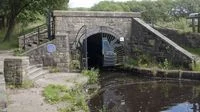
The Standedge Tunnel, an architectural marvel situated deep beneath the Pennines in Northern England, is set to offer a chilling experience for thrill-seekers this autumn. As part of a dual-purpose initiative to celebrate the 25th anniversary of its reopening and to commemorate the Halloween season, the Canal & River Trust (CRT) has announced a series of guided ghost-hunting tours scheduled for October 30 and 31. This event promises to peel back the layers of history surrounding the UK’s longest, deepest, and highest canal tunnel, inviting the public to explore the dark, subterranean corridors that have long been the subject of local folklore and unexplained reports.
A Legacy Carved in Stone: The History of Standedge
The Standedge Tunnel is not merely a transport route; it is a testament to the sheer ambition of the Industrial Revolution. Stretching approximately 5.6 kilometers (3.4 miles), the tunnel connects the village of Marsden in West Yorkshire to Diggle in Greater Manchester. Its construction was a Herculean task that spanned nearly two decades, beginning in 1794 and finally reaching completion in 1811.
The labor was entirely manual, carried out by teams of "navvies" who worked with pickaxes, shovels, and rudimentary explosives to blast through the unforgiving gritstone of the Pennine range. The human cost and the engineering precision required to ensure the tunnel remained structurally sound were monumental. Upon its completion, it was hailed as one of the "Seven Wonders of the Waterways," a distinction it retains today as a focal point of British industrial heritage.
For over a century, the tunnel served as a critical artery for the transport of coal, limestone, and textiles. However, the rise of the railways eventually led to the decline of canal transport, and the tunnel was closed to navigation in 1944. It remained largely derelict for decades until a concerted restoration effort brought it back to life, culminating in its grand reopening in 2001.
Ghost Stories and Paranormal Legacy
The appeal of the Standedge Tunnel for a Halloween event is rooted in more than just its age; it is fueled by persistent anecdotal reports from those who have navigated its murky depths. The Canal & River Trust has noted that, over the years, both staff members and visitors have shared accounts of unsettling phenomena.
Commonly cited reports include flashes of inexplicable light dancing along the cavernous walls, the distinct sound of phantom footsteps echoing against the damp masonry, and the sighting of a mysterious, cloaked figure often described as lingering near the tunnel’s portals or in the deepest sections of the unlit passages. While the CRT approaches these claims with professional caution, they have leaned into the site’s reputation to create an immersive experience.
"The activities scheduled for this Halloween are designed to provide a genuinely atmospheric experience, catering to both the curious and the most dedicated paranormal enthusiasts," a spokesperson for the Trust stated. The events will include traditional ghost-hunting sessions and "family ghost-busting" activities, organized in partnership with the Huddersfield Canal Society. These programs aim to provide a safe yet eerie environment that highlights the tunnel’s unique sensory qualities—the oppressive silence, the extreme temperature shifts, and the profound darkness of the mountain interior.
Supporting Infrastructure and the Need for Restoration
Beyond the spectacle of Halloween, the primary driver for these events is a critical fundraising campaign. The CRT has publicly identified that the current fleet of electric tour boats, which have been ferrying thousands of passengers through the tunnel since 2001, is approaching the end of its operational lifespan.
The maintenance of a 5.6-kilometer underground tunnel presents unique engineering challenges. The environment is highly corrosive due to mineral seepage and dampness, which impacts the structural integrity of both the tunnel lining and the vessels used for transport. The Trust estimates that a significant capital investment is required to replace the existing boat fleet to ensure that the tunnel remains a viable tourist destination for the next generation.
Catherine Clayton, the Regional Operations Manager for the CRT, emphasized that the tunnel’s future is contingent upon sustained public engagement. "Without the procurement of modern, reliable vessels, we risk losing the ability to provide the public with the unique opportunity to traverse beneath the Pennines," Clayton explained. "These tours are an essential step in securing the funding required to keep this historic route open and accessible to the public."
Broader Implications for Heritage Preservation
The situation at Standedge Tunnel highlights a recurring challenge for organizations managing industrial heritage sites across the United Kingdom. As these sites age, the cost of upkeep often outstrips traditional revenue streams. The CRT’s decision to integrate seasonal tourism—specifically "dark tourism" or Halloween-themed events—into their operational model serves as a case study in modern heritage management.
By leveraging the tunnel’s reputation for paranormal activity, the Trust is diversifying its visitor demographic. While historical enthusiasts have always been drawn to the site, the Halloween events attract a younger, adventure-seeking audience who might otherwise not engage with industrial history. This strategy serves two purposes: it generates immediate revenue through ticket sales and donor engagement, and it builds public awareness for the necessity of preservation efforts.
Furthermore, the involvement of local groups, such as the Huddersfield Canal Society, underscores the community-centric nature of the restoration. These groups have historically provided the volunteer hours and local expertise necessary to keep the canal network operational. Their partnership with the CRT for the Halloween event serves to reinforce the social bond between the residents of West Yorkshire and the infrastructure that defined their region’s history.
Chronology of the Standedge Tunnel
- 1794: Construction begins on the Standedge Tunnel, led by engineer Benjamin Outram.
- 1811: The tunnel is officially completed, allowing passage through the Pennines.
- 1944: Commercial navigation through the tunnel ceases as rail and road transport dominate.
- 1974: The Huddersfield Canal Society is formed, beginning a decades-long campaign to restore the waterway.
- 2001: After a major multi-million-pound restoration project, the tunnel is reopened for tourist navigation.
- 2024: The CRT announces a 25th-anniversary celebration, combined with a fundraising campaign to replace the aging tour boat fleet.
- October 30-31, 2024: The scheduled dates for the "Halloween Ghost-Hunting" experience.
Ensuring Future Accessibility
The reliance on public donations to maintain heritage infrastructure is a growing trend in the UK. As government subsidies for non-essential public works face pressure, the "adopt-a-site" or "fund-a-vessel" models become vital. The CRT is positioning the Standedge Tunnel not just as a piece of history, but as a living, breathing component of the local economy.
The success of the upcoming Halloween event could set a precedent for how the Trust manages other aging facilities in its portfolio. Should the fundraising targets be met, it would ensure that the tunnel remains a functioning passage for school trips, tourists, and history enthusiasts for decades to come.
For those interested in participating, tickets are currently available via the Canal & River Trust’s official website. Prospective visitors are encouraged to book early, as the unique nature of the tour—taking place deep within the subterranean passage—necessitates strict limits on group sizes for both safety and atmospheric quality.
As the nights draw in and the temperature drops in the Pennine hills, the Standedge Tunnel stands as a bridge between two worlds: the industrial grit of the past and the modern necessity of cultural preservation. Whether one is drawn by the prospect of encountering the supernatural or simply by the desire to support a vital piece of British engineering, the upcoming event represents a significant moment in the life of one of the world’s most remarkable waterways.