Kate Beckinsale Sparks Concern Following Sudden Social Media Purge and Cryptic Commentary

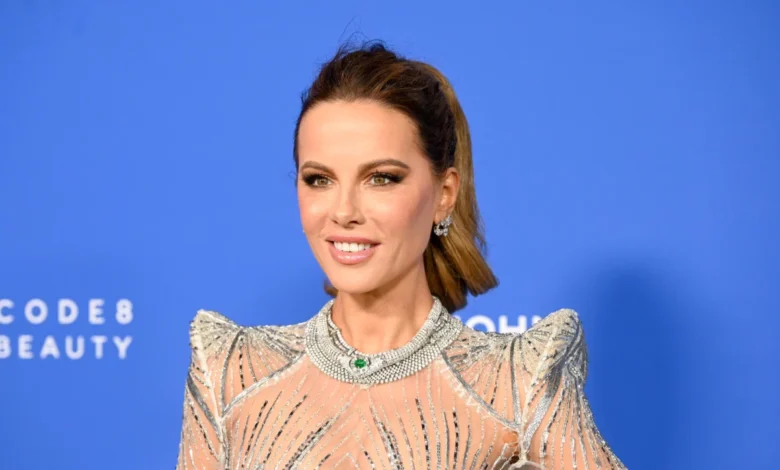
The British actress Kate Beckinsale has once again prompted widespread public concern after completely wiping her Instagram presence, leaving her verified account with zero posts and a cryptic digital footprint. This latest development follows a series of distressing updates on the platform, where the actress appeared to signal a breaking point in her relationship with public scrutiny and the ongoing pressures of navigating personal bereavement. The sudden removal of her content, which previously included personal insights into her health and family life, highlights the increasingly complex intersection between celebrity, social media consumption, and the long-term, visible impacts of trauma.
A Chronology of the Digital Disappearance
The timeline of this most recent event began on Sunday, when followers noted that Beckinsale’s entire archive of photographs and videos had been erased. In their place remained a singular, plain black image accompanied by the brief, ominous caption, "bye." Shortly thereafter, the comments section for this specific post was disabled, signaling a desire to truncate public interaction.
This was followed by an ephemeral update to her Instagram Stories—a feature that disappears after 24 hours—consisting of an image of a rainbow overlaid with the text: "Congratulations. You won. I give up." By the end of the day, these posts had been deleted entirely, leaving the account empty. The only remaining detail on her profile is a link redirecting users to a 2020 BBC News report concerning the suicide of television presenter Caroline Flack. This choice is widely interpreted as a somber reflection on the devastating impact of online harassment, public scrutiny, and the toll of persistent media attention on mental health.
The Context of Repeated Scrutiny
This is not an isolated incident for Beckinsale, who has frequently engaged in a cyclical pattern of withdrawing from social media following periods of intense public criticism. In August 2024, the actress executed a similar purge of her Instagram account. That withdrawal occurred in the wake of relentless, often vitriolic comments regarding her physical appearance. At the time, the actress was navigating a period of profound personal loss following the deaths of her stepfather, director Roy Battersby, and her mother, the actress Judy Loe.
The criticism regarding her weight loss during that period prompted a rare, detailed public rebuttal from the actress. Beckinsale explicitly addressed the physiological realities of grief, noting that weight loss is a documented physical manifestation of bereavement. Furthermore, she disclosed a diagnosis of Mast Cell Activation Syndrome (MCAS). According to the Cleveland Clinic, MCAS is an immunological condition characterized by the overactivity of mast cells, which release chemical mediators that trigger recurring allergic-type symptoms throughout the body. For Beckinsale, the combination of acute grief and this chronic condition created a physical and emotional environment that rendered her vulnerable to public critique, which she described as a symptom of a broader societal lack of empathy.
Grief and the Physiological Toll
The physical and mental impact of grief has been a recurring theme in Beckinsale’s recent public disclosures. In December 2025, the actress shared a candid video discussing the "hard" nature of the year, which she described as a period of immense suffering. Her narrative provided a window into the cumulative trauma of losing key family members in rapid succession.
"I watched my 31-year-old father die of a huge heart attack, and then I watched my stepfather die, and I watched my mother degenerate and die," she stated in the recording. She emphasized that the sheer volume of trauma she endured—and continues to process—has a direct, biological effect on her well-being, specifically noting, "It doesn’t make you feel very hungry."
This admission touches upon the medical understanding of grief as a systemic stressor. According to mental health professionals, chronic stress from loss can dysregulate the body’s autonomic nervous system, leading to appetite loss, insomnia, and cognitive impairment. When this internal struggle is subjected to the external pressure of millions of followers and an often unforgiving comment section, the risk of burnout or the need for digital withdrawal increases significantly.

Understanding Non-Military PTSD
Earlier this month, Beckinsale brought national attention to the concept of "non-military" Post-Traumatic Stress Disorder (PTSD). While the diagnostic criteria for PTSD were historically established through the study of combat veterans, clinical psychology increasingly recognizes that the condition can arise from any situation involving life-threatening events, sudden loss, or prolonged emotional terror.
Unlike the common perception of PTSD, which often focuses on combat or natural disasters, non-military PTSD—sometimes categorized under Complex PTSD—can develop from repeated exposure to personal trauma. The result is a body that remains perpetually in a "fight-or-flight" state, an evolutionary survival mechanism that, when left unswitched for extended periods, leads to exhaustion and psychological distress.
In a now-deleted post, Beckinsale reflected on the invisibility of this struggle: "I think what people will find incredibly hard to understand about non-military PTSD… is that those people have seen or experienced levels of horror, terror, violence that they don’t just dream about incessantly, so there’s no rest. They see it when they blink. Every time they close their eyes for a second."
The Broader Implications for Celebrity and Social Media
The situation surrounding Beckinsale serves as a case study for the current state of digital engagement among high-profile individuals. The link to the Caroline Flack story in her bio suggests a specific concern regarding the consequences of public hostility. Caroline Flack’s death in 2020 served as a turning point in the United Kingdom, leading to intense debates about the responsibilities of the press and the public in monitoring the mental health of public figures.
Experts in media ethics note that social media platforms have created an environment where the private lives of celebrities are treated as public property, often ignoring the human reality of bereavement or chronic illness. The pressure to maintain a "curated" online presence—even during times of crisis—creates an untenable situation for those already struggling with the demands of their personal lives.
Furthermore, the "digital purge" is becoming a common, if desperate, form of reclamation. By deleting content, individuals regain a sense of agency over their digital image, essentially "going dark" to prioritize mental health over engagement metrics. This behavior is rarely about a desire for attention, but rather a protective measure to minimize the noise of external criticism when internal resources are depleted.
Conclusion: A Demand for Empathy
The current silence on Kate Beckinsale’s Instagram account stands as a stark contrast to the performative nature of celebrity social media. It functions as a boundary-setting mechanism, reflecting the actress’s ongoing efforts to navigate a public career while managing the weight of significant personal tragedy.
As of this writing, there have been no further statements from the actress or her representatives. The absence of content is, in itself, a message—one that highlights the necessity of recognizing the humanity of public figures who are often dehumanized by the very platforms that claim to bring them closer to their audiences. The broader implications for the entertainment industry suggest a growing need for mental health awareness, specifically regarding how public scrutiny impacts the trajectory of those already mourning profound, life-altering losses.