Navigating the Complex Landscape of Medicaid Section 1115 Demonstration Waivers and Evolving Federal Priorities

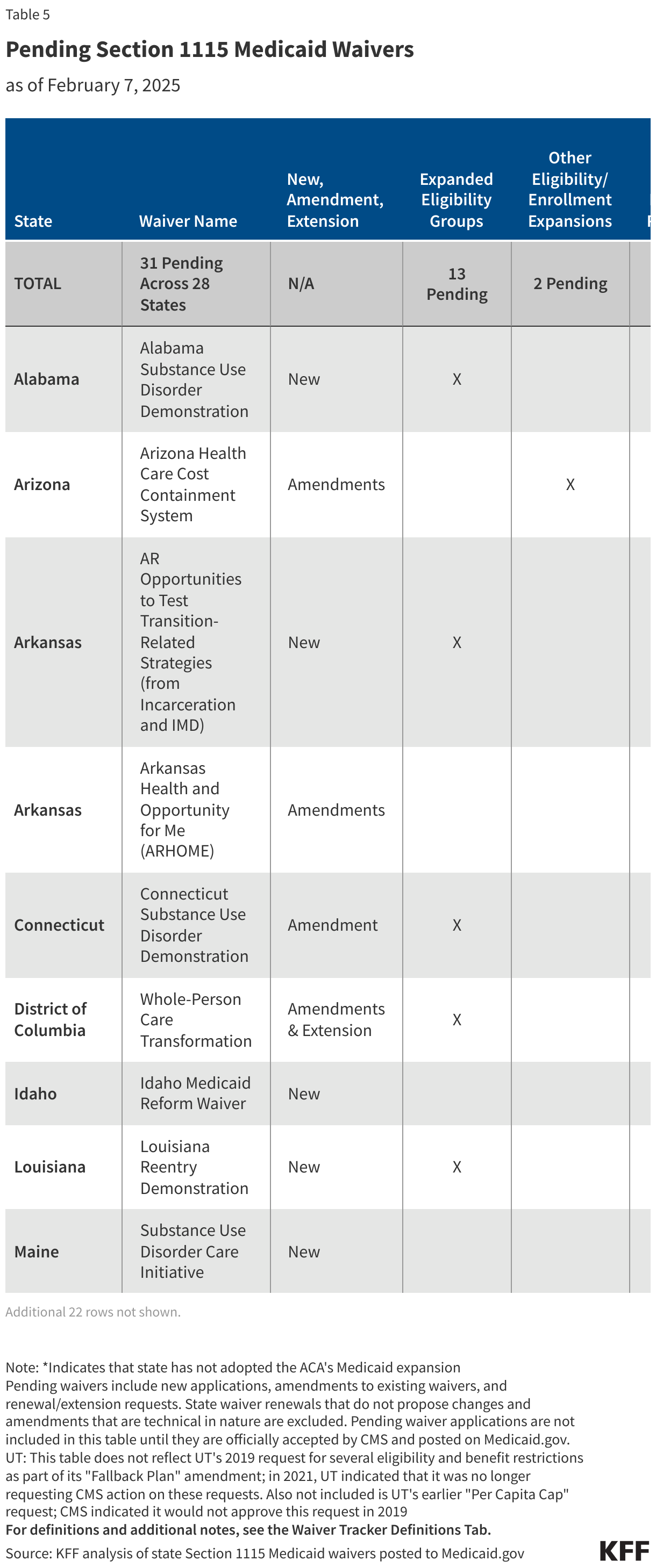
Medicaid Section 1115 demonstration waivers continue to serve as one of the most vital policy laboratories for state health care innovation in the United States. These waivers grant individual states the regulatory flexibility to test experimental approaches to health care delivery, financing, and coverage that deviate from standard federal statutory requirements. To secure federal approval through the Department of Health and Human Services (HHS), a state must demonstrate that its proposed pilot is reasonably projected to promote the core objectives of the Medicaid program. In practice, however, the approval, scope, and longevity of these experimental policies are heavily influenced by the shifting priorities of successive presidential administrations, creating a dynamic and frequently contested landscape for state health officials, health care providers, and low-income beneficiaries alike.
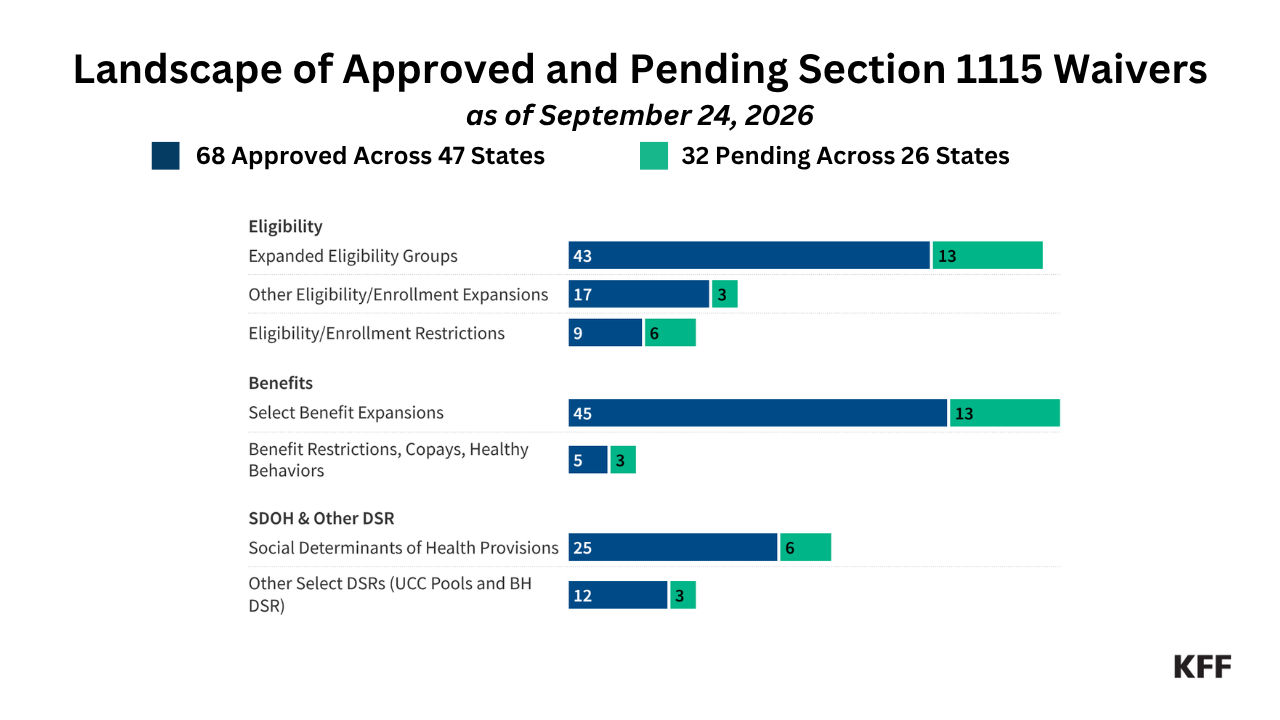
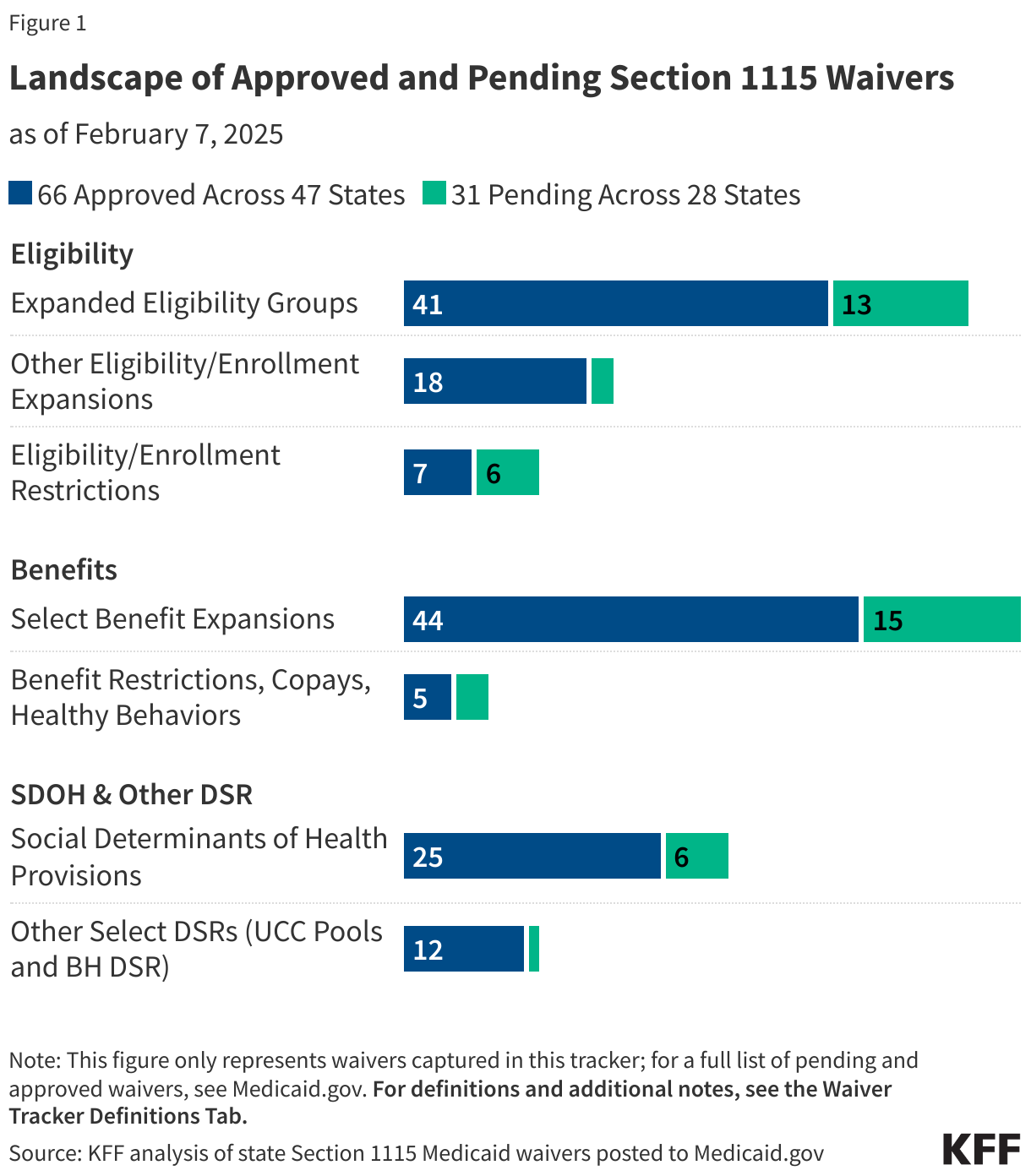
Nearly every U.S. state administers at least one active Section 1115 waiver, with numerous jurisdictions managing multiple overlapping demonstration projects. These waivers traditionally target three primary pillars of program administration: eligibility rules, benefit structures, and delivery system reforms. While some administrations leverage 1115 waivers to expand coverage, streamline enrollment, and address non-medical drivers of health, others utilize the mechanism to implement restrictive eligibility hurdles, mandatory work requirements, and narrower benefit packages. Tracking this ongoing policy evolution requires close attention to federal guidance shifts, state plan amendments, and the complex interplay between federal oversight and state-led experimentation.
The Mechanics and Historical Context of Section 1115 Waivers
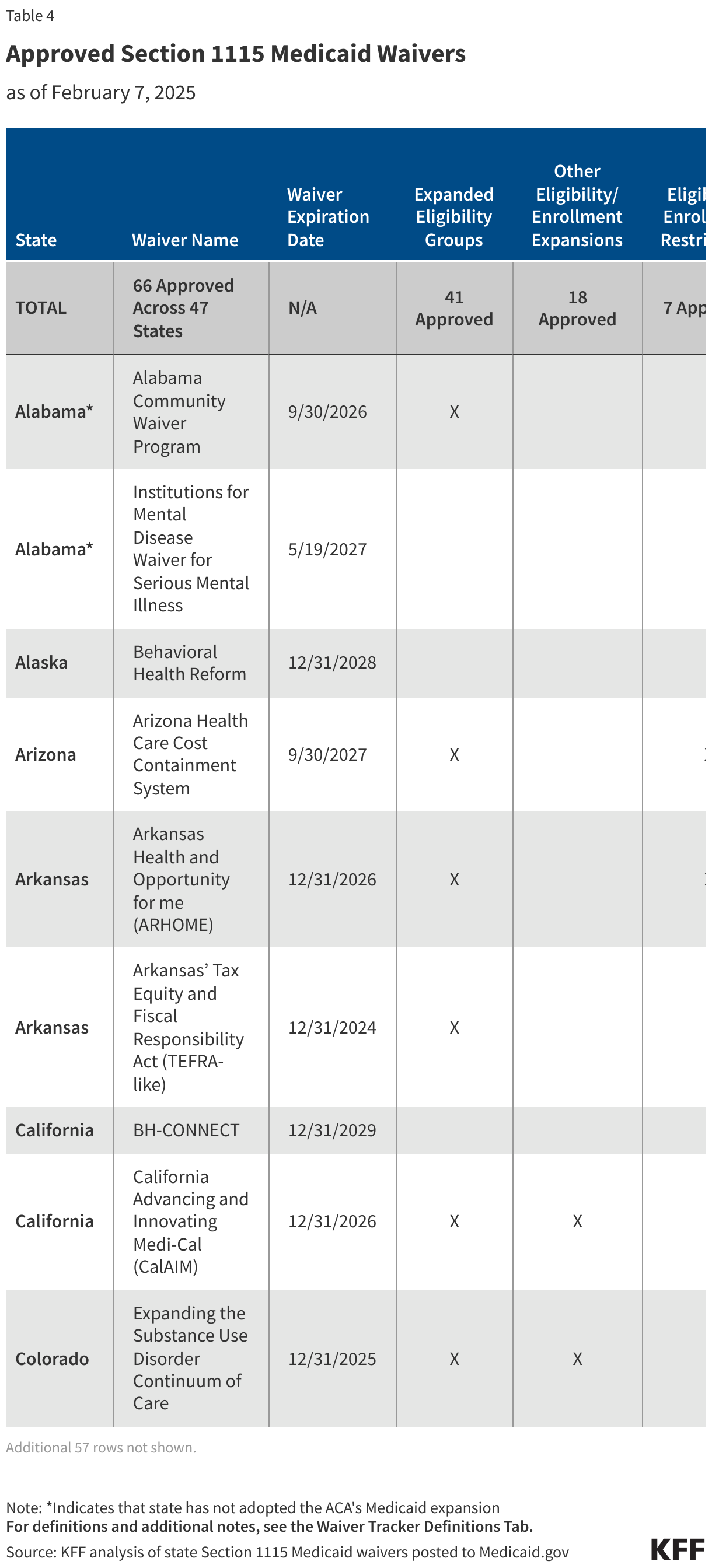
Enacted under the Social Security Act, Section 1115 authority was originally envisioned as a narrow tool for pilot projects. Over the decades, it has expanded into a massive administrative channel through which states reshape major components of their Medicaid programs. States frequently pursue waivers to test new delivery models, integrate physical and behavioral health services, expand coverage to specialized populations, or pilot value-based payment arrangements with healthcare providers.
Because waivers reflect executive branch discretion through the Centers for Medicare & Medicaid Services (CMS), federal priorities fluctuate dramatically from one administration to the next. During the Biden administration, CMS actively encouraged states to apply for innovative demonstration opportunities centered around health-related social needs (HRSN), multi-year continuous eligibility for children, and pre-release Medicaid coverage for individuals who are incarcerated. Conversely, the Trump administration has historically prioritized welfare reform principles within public assistance programs, emphasizing rigorous work and community engagement requirements, narrowing continuous eligibility options, and curtailing federal funding mechanisms like Designated State Health Programs (DSHP).
The Reemergence of Medicaid Work Requirements
One of the most significant structural shifts in contemporary Medicaid policy involves the enforcement of work and community engagement requirements for non-elderly, non-disabled adults. The federal legislative landscape changed markedly with the passage of the 2025 budget reconciliation law, which legally mandates that states condition Medicaid eligibility for adults in the Affordable Care Act (ACA) expansion group on meeting specific work or community engagement thresholds, effective January 1, 2027.
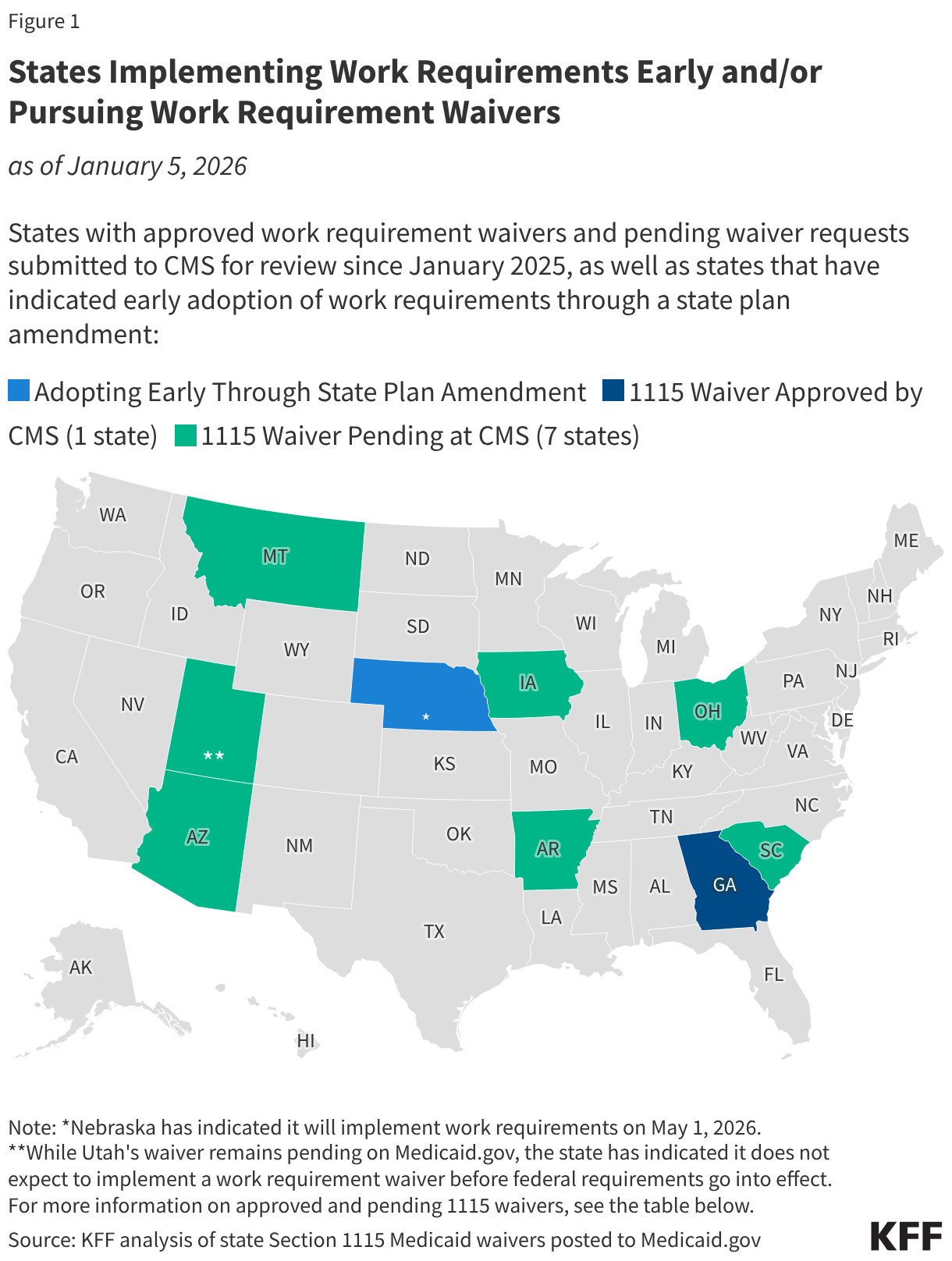
While the statutory deadline is set for the beginning of 2027, the law permits states to implement these requirements ahead of schedule through either a State Plan Amendment (SPA) or an approved Section 1115 waiver. Following the implementation of this legislation, most states pursuing early adoption have elected to utilize SPAs rather than traditional 1115 waivers.
Nebraska made headlines as the first state to announce plans for early enforcement, scheduling its rollout of federal work requirements via a State Plan Amendment for May 1, 2026. Montana and Iowa subsequently announced early implementation targets for July 1, 2026, and December 1, 2026, respectively. Meanwhile, Arkansas adopted a phased approach, announcing a "soft implementation" period beginning July 1, 2026, during which beneficiaries failing to meet work criteria will be monitored and assisted, but explicit disenrollments will be withheld until the mandatory federal deadline takes effect on January 1, 2027.
Conversely, the utilization of 1115 waivers for work requirements has slowed significantly. Following protracted litigation during the Biden administration regarding work requirement waivers approved under the first Trump administration, Georgia stands as the sole state currently operating a Medicaid work requirement waiver. Georgia’s waiver is scheduled to expire on December 31, 2026, at which point the state must transition into full compliance with the broader federal mandate taking effect the following day.
Shifting Federal Policies on Health-Related Social Needs
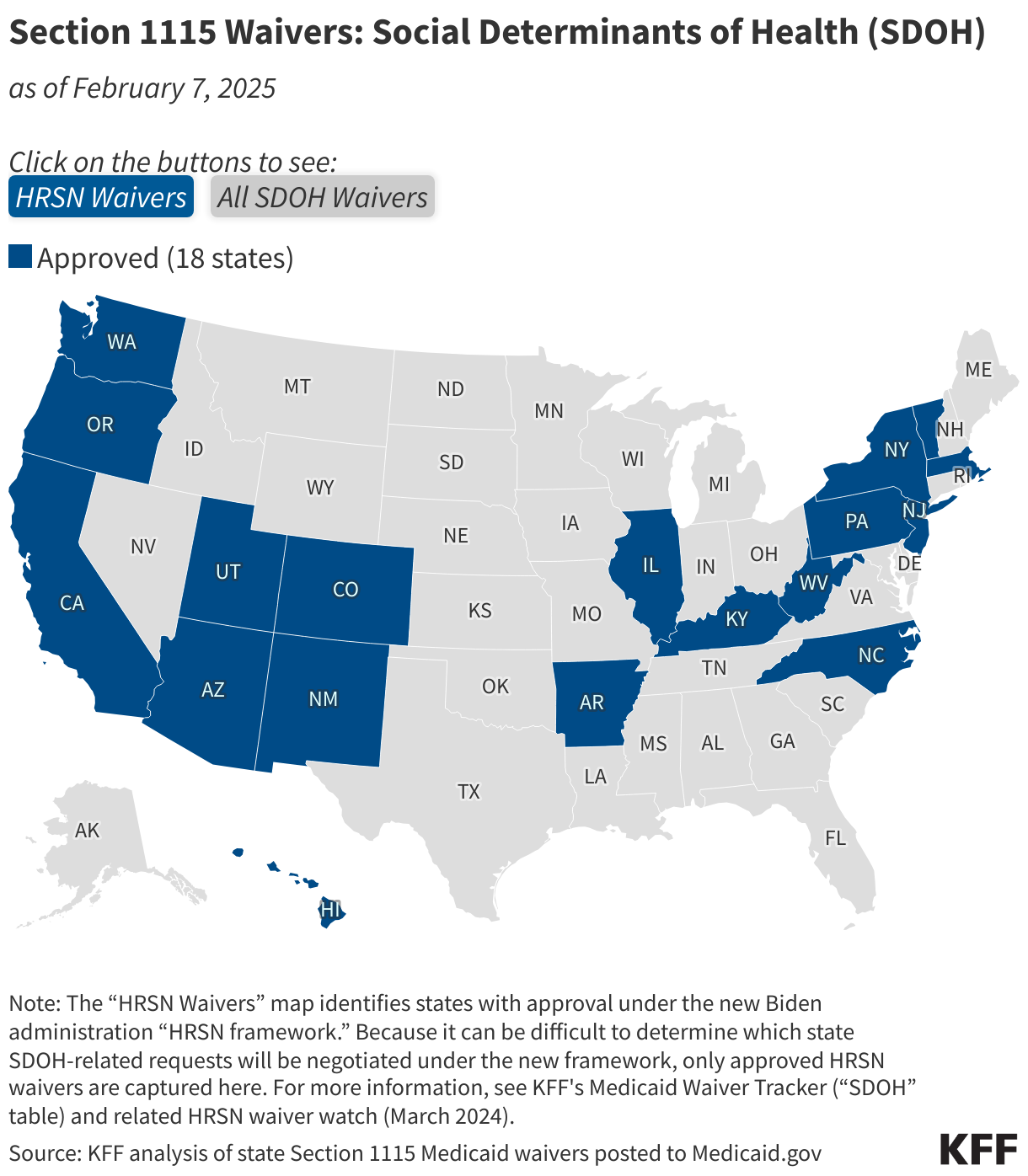
Social determinants of health (SDOH)—encompassing non-medical factors such as housing stability, nutritional security, transportation access, and environmental safety—emerged as a central focus of state innovation during the early 2020s. Under the Biden administration, CMS established a formalized framework allowing states to use Section 1115 authority to address "health-related social needs" (HRSN). Numerous states successfully secured approvals to finance housing supports, medically tailored meals, and nutrition counseling directly through Medicaid managed care arrangements.
However, the policy trajectory shifted abruptly in March 2025, when the Trump administration formally rescinded the Biden-era HRSN guidance. While federal officials clarified that this policy reversal would not legally nullify existing, previously approved HRSN waivers, CMS announced that all future waiver requests touching upon SDOH or HRSN would henceforth be evaluated strictly on a case-by-case basis. This pivot signals a more restrictive federal stance on utilizing public health insurance funds for non-clinical interventions, leaving the future expansion of housing and nutrition support programs uncertain for states still awaiting federal review.
Furthermore, in April 2025, the Trump administration announced plans to systematically phase out federal funding for Designated State Health Programs (DSHP) frequently embedded within state waiver packages. This decision removes a critical funding stream that many states relied upon to offset broader systemic costs associated with their demonstration projects.
Incarcerated Populations and Pre-Release Coverage
Another prominent area of Section 1115 activity involves bridging the coverage gap for individuals transitioning out of the criminal justice system. Historically, the federal "inmate exclusion policy" prohibited Medicaid from paying for healthcare services rendered to incarcerated individuals, except for certain inpatient hospital stays. This statutory barrier frequently resulted in severe disruptions in medical and psychiatric care upon release, exacerbating chronic illnesses, increasing emergency department utilization, and driving up recidivism rates.
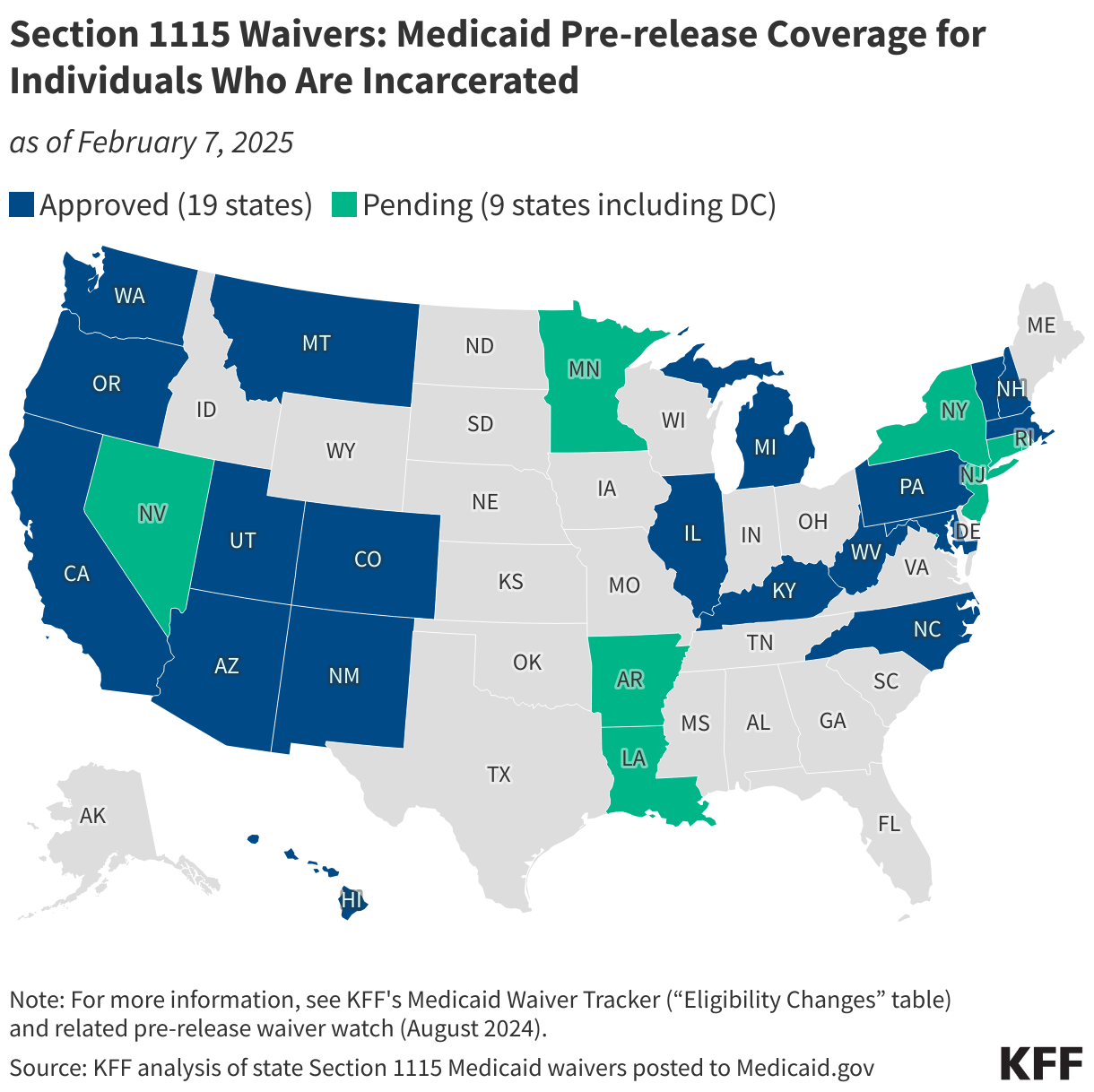
Recognizing these challenges, the Biden administration issued landmark guidance in April 2023 inviting states to apply for Section 1115 demonstration opportunities to provide targeted Medicaid pre-release services to individuals who are incarcerated. This policy permitted states to offer limited diagnostic, pharmaceutical, and care-coordination services up to 90 days prior to an individual’s scheduled release, ensuring continuity of care for chronic medical conditions and substance use disorders immediately upon reentry into the community.

The policy garnered bipartisan support, with 19 states securing approvals under the Biden administration, championed by both Democratic and Republican governors alike. The momentum continued into the second Trump administration, which approved four additional reentry waivers in September 2026. CMS simultaneously indicated that updated federal guidance regarding reentry demonstrations would be published within the year, signaling continued, albeit potentially modified, federal support for transitional justice health initiatives.
The Debate Over Multi-Year Continuous Eligibility
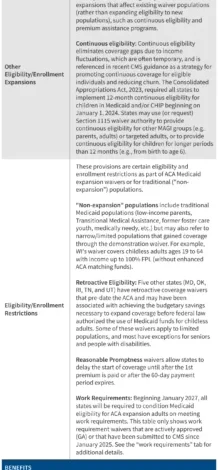
Continuous eligibility policies—which ensure that enrolled individuals maintain coverage for a designated period without undergoing periodic redeterminations—have long been championed by public health experts as an effective tool to reduce coverage "churn," the disruptive cycle of beneficiaries temporarily losing and regaining health insurance due to minor fluctuations in income or administrative hurdles.
Following the enactment of the Consolidated Appropriations Act of 2023, federal law mandated that all states implement 12-month continuous eligibility for children starting January 1, 2024. Going a step further, the Biden administration approved nine distinct state waivers permitting multi-year continuous eligibility extensions for children, allowing young beneficiaries to remain enrolled from birth up to age six without interruption.
This expansion phase reached an abrupt halt in July 2025, when the Trump administration released explicit guidance announcing that CMS would no longer approve new multi-year continuous eligibility waivers, nor would it grant extensions for existing programs covering either children or adults. Federal officials defended the decision as a necessary step to restore rigorous fiscal oversight and regular eligibility verification protocols, while child advocacy groups and state health agencies expressed deep concern over the potential resurgence of coverage losses among vulnerable pediatric populations. Additionally, CMS announced in July 2025 the planned phase-out of targeted initiatives designed to strengthen the broader Medicaid workforce across primary care, behavioral health, dental services, and home- and community-based care.
Implications and Future Outlook for State Medicaid Programs
The current landscape of Section 1115 Medicaid waivers highlights a profound ideological tug-of-war over the fundamental purpose and structural design of the nation’s largest public health insurance program. As states grapple with the impending 2027 federal work requirement mandate, policy analysts anticipate a wave of administrative adjustments as governors and state legislatures determine whether to accelerate implementation via State Plan Amendments or scale back experimental social welfare pilots.
At the same time, the retrenchment of federal support for health-related social needs, multi-year continuous eligibility, and workforce development initiatives forces states to reevaluate their long-term budgetary commitments. Programs that relied heavily on federal waiver flexibilities and matching funds to address housing insecurity, nutritional needs, and reentry care face difficult financial sustainability questions. Ultimately, Section 1115 waivers remain an indispensable barometer of American health policy—reflecting the continuous tension between federal statutory standardization and the persistent desire of states to tailor safety-net health coverage to their own economic and political priorities.
Related posts: