Navigating the Shifting Landscape of Medicaid Section 1115 Waivers: Federal Policy Changes, Work Mandates, and State-Level Responses

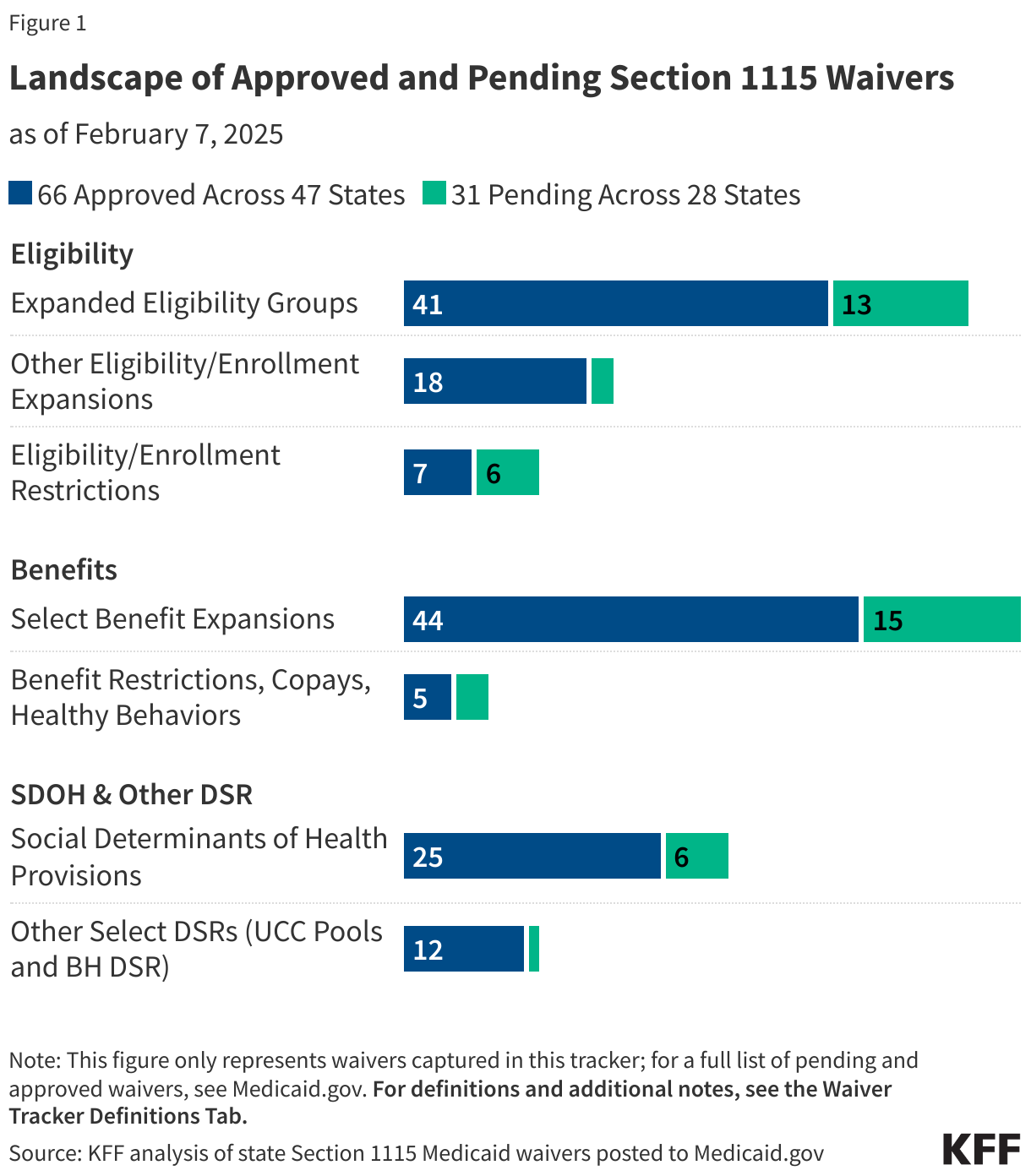
Medicaid Section 1115 demonstration waivers continue to serve as primary instruments for state and federal experimentation within the nation’s largest public health insurance program. These waivers grant the U.S. Department of Health and Human Services (HHS) Secretary the authority to approve state-specific pilot projects that depart from standard federal statutory requirements, provided the initiatives are determined to promote the fundamental objectives of the Medicaid program. Nearly all states maintain at least one active Section 1115 waiver, utilizing this administrative mechanism to test innovative delivery systems, reshape benefits, and alter eligibility criteria. However, the trajectory of these waivers remains deeply intertwined with shifting priorities across presidential administrations, legislative mandates, and ongoing legal battles. As federal oversight transitions and new budgetary laws take effect, states face a complex web of compliance requirements, early implementation timelines, and evolving policy directives.
Understanding Section 1115 Waivers and Their Historical Context
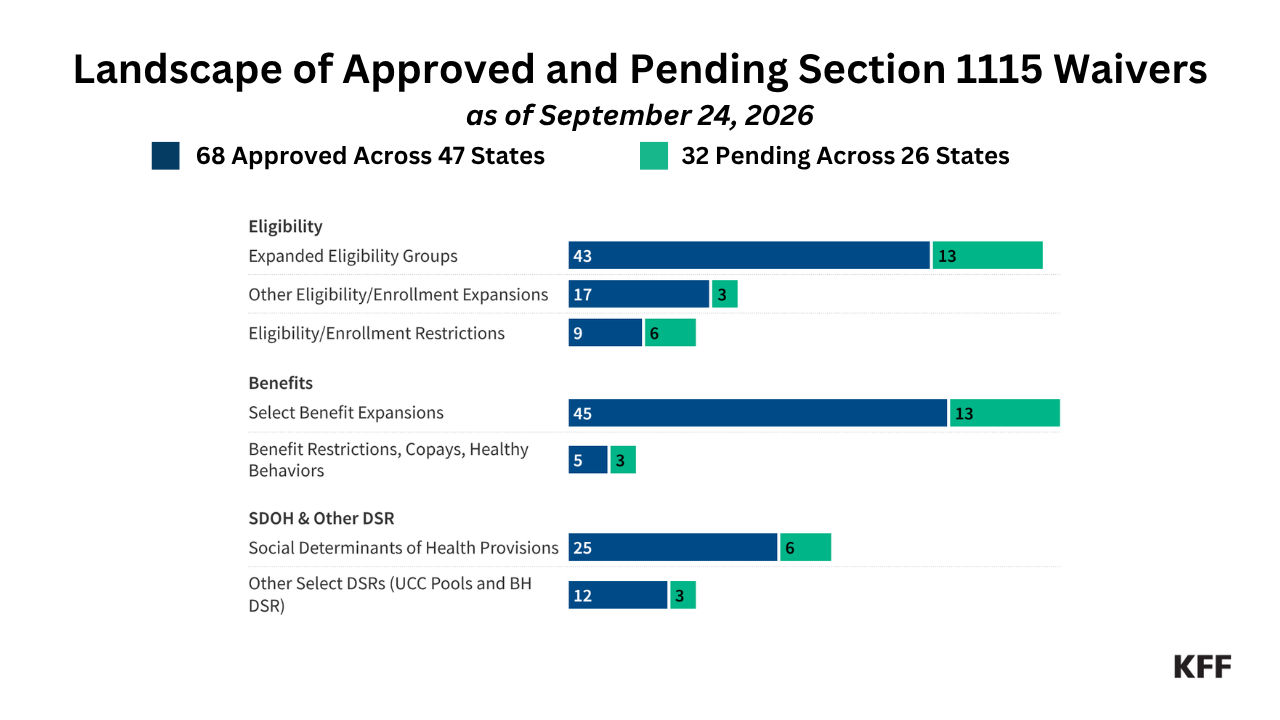
Section 1115 of the Social Security Act empowers the federal government to grant states extraordinary flexibility in operating their Medicaid programs beyond what is normally permitted under existing law. Historically, these waivers have reflected the distinct philosophies of incoming presidential administrations. Under the Biden administration, federal priorities heavily favored health-related social needs (HRSN) initiatives, pre-release healthcare coverage for incarcerated individuals, and multi-year continuous eligibility policies designed to reduce coverage interruptions—commonly referred to as "churn"—particularly among children.
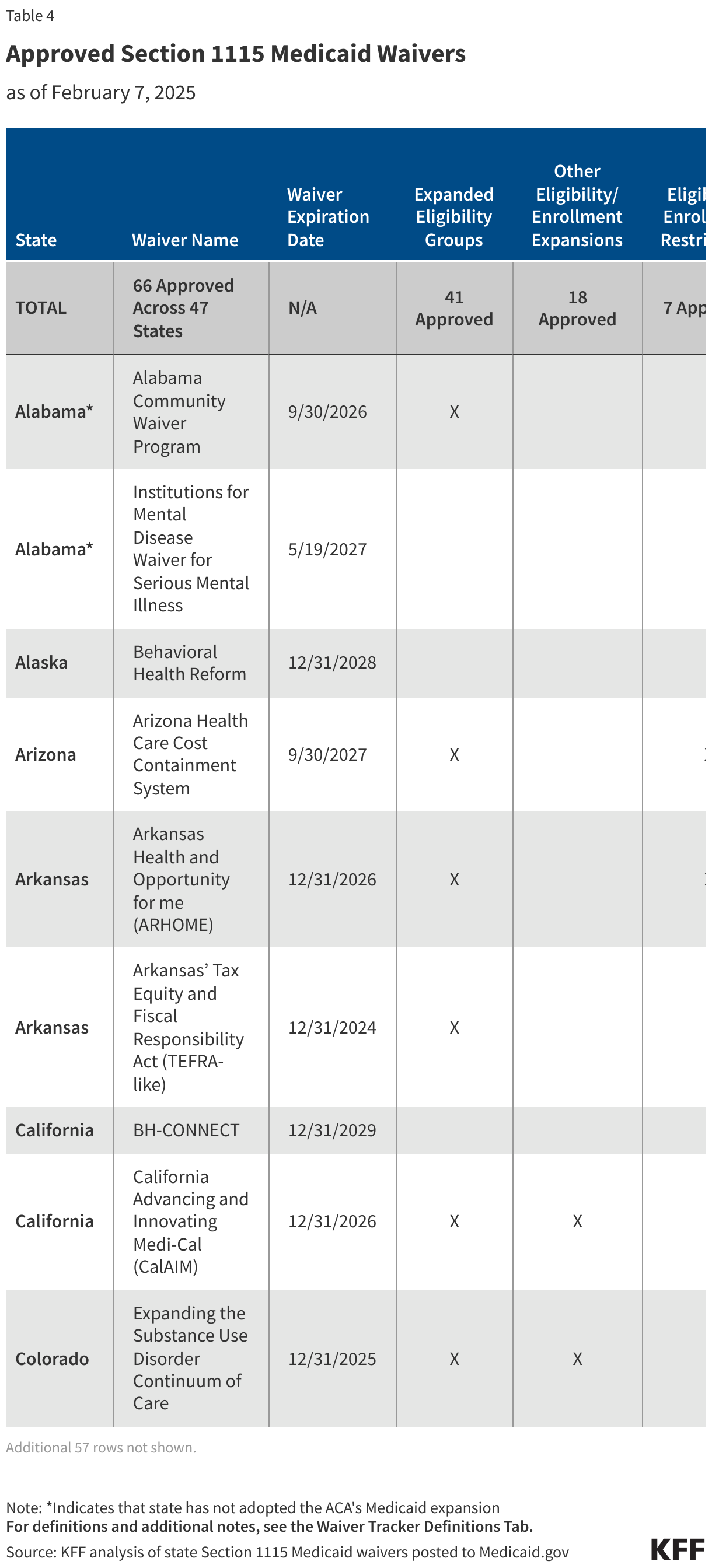
Conversely, the return of the Trump administration has signaled a sharp pivot in federal policy. Recent guidance and administrative actions have systematically targeted several cornerstones of the previous administration’s waiver agenda. In March 2025, the Trump administration rescinded the Biden-era HRSN guidance. While the Centers for Medicare & Medicaid Services (CMS) noted that this move would not automatically nullify existing HRSN approvals, future requests addressing social determinants of health (SDOH) will face rigorous case-by-case scrutiny. Furthermore, the administration announced plans to phase out federal funding for Designated State Health Programs (DSHP) within waivers, eliminate new or extended continuous eligibility waivers for adults and children, and phase out federal initiatives aimed at bolstering the primary care, behavioral health, dental, and home- and community-based services (HCBS) workforces.
The 2025 Budget Reconciliation and the Return of Medicaid Work Requirements
One of the most consequential shifts in recent Medicaid policy stems from the 2025 federal budget reconciliation law. This legislation mandates that states condition Medicaid eligibility for non-disabled adults in the Affordable Care Act (ACA) expansion group on meeting strict work and community engagement requirements, with a mandatory national compliance deadline of January 1, 2027.
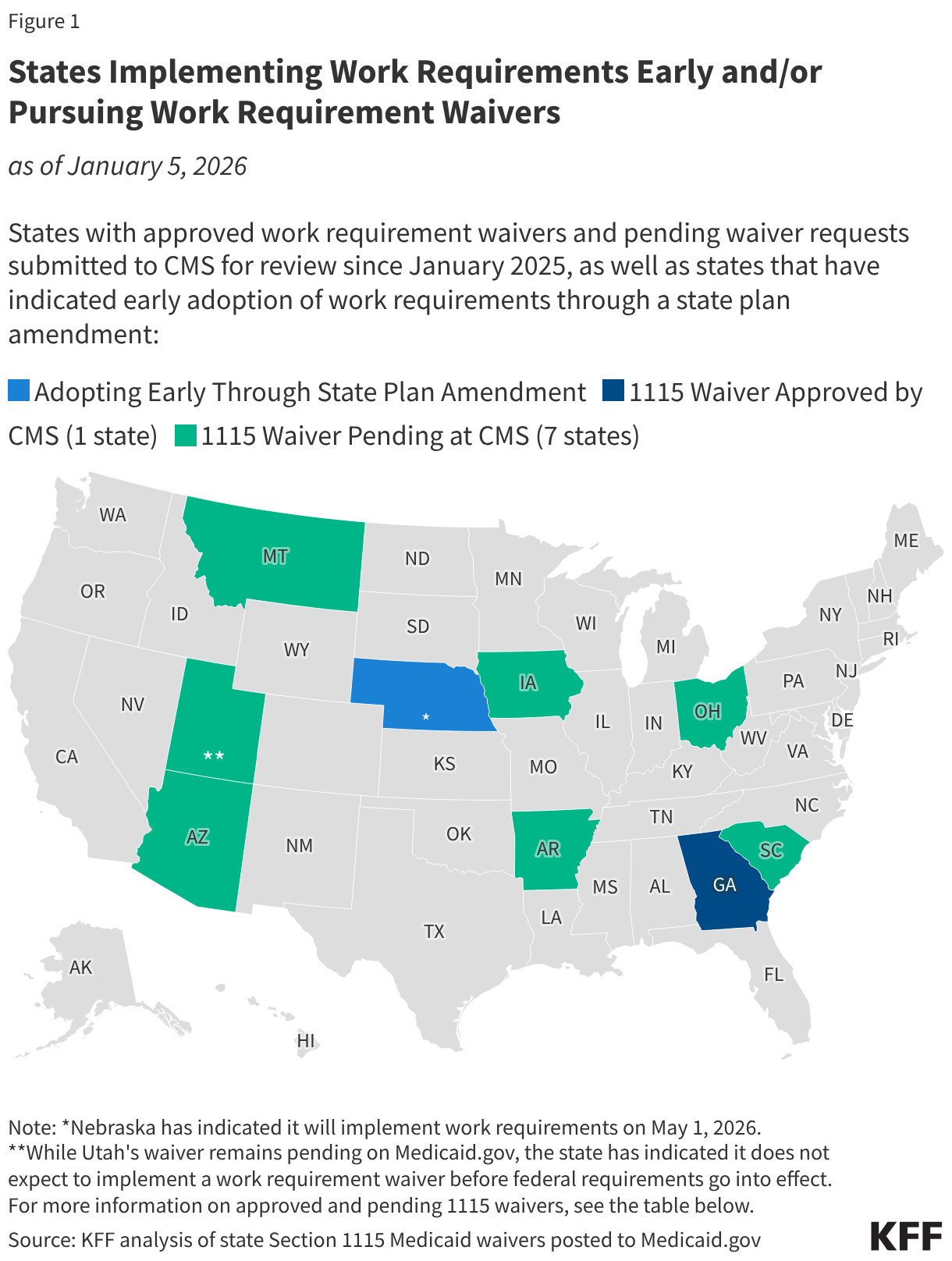
Although the federal deadline is set for early 2027, states possess the administrative option to implement these work requirements ahead of schedule. Jurisdictions can pursue early enforcement through either a State Plan Amendment (SPA) or an approved Section 1115 waiver. Despite initial speculation that states might rush to submit new 1115 work requirement waivers following the inauguration of the second Trump administration, policy analysts note that most states favoring early adoption are utilizing SPAs instead of complex waiver applications.
Nebraska has emerged as the first state to formally announce early enforcement of federal work requirements via a State Plan Amendment, with an effective implementation date of May 1, 2026. Two additional states have scheduled early rollouts: Montana intends to implement work requirements on July 1, 2026, and Iowa has targeted December 1, 2026. Meanwhile, Arkansas has adopted a phased approach, announcing a "soft implementation" scheduled for July 1, 2026, which will test administrative systems without disenrolling non-compliant individuals prior to the mandatory January 1, 2027 federal enforcement date.
In contrast, 1115 waiver activity regarding work requirements remains largely static. Georgia stands as the sole exception, operating under a unique work-requirement waiver secured following prolonged litigation over the Biden administration’s attempts to halt it. Georgia’s waiver is slated to expire on December 31, 2026, after which the state must fully integrate into the standardized federal requirements taking effect the following day.
Shifts in Health-Related Social Needs and Social Determinants of Health
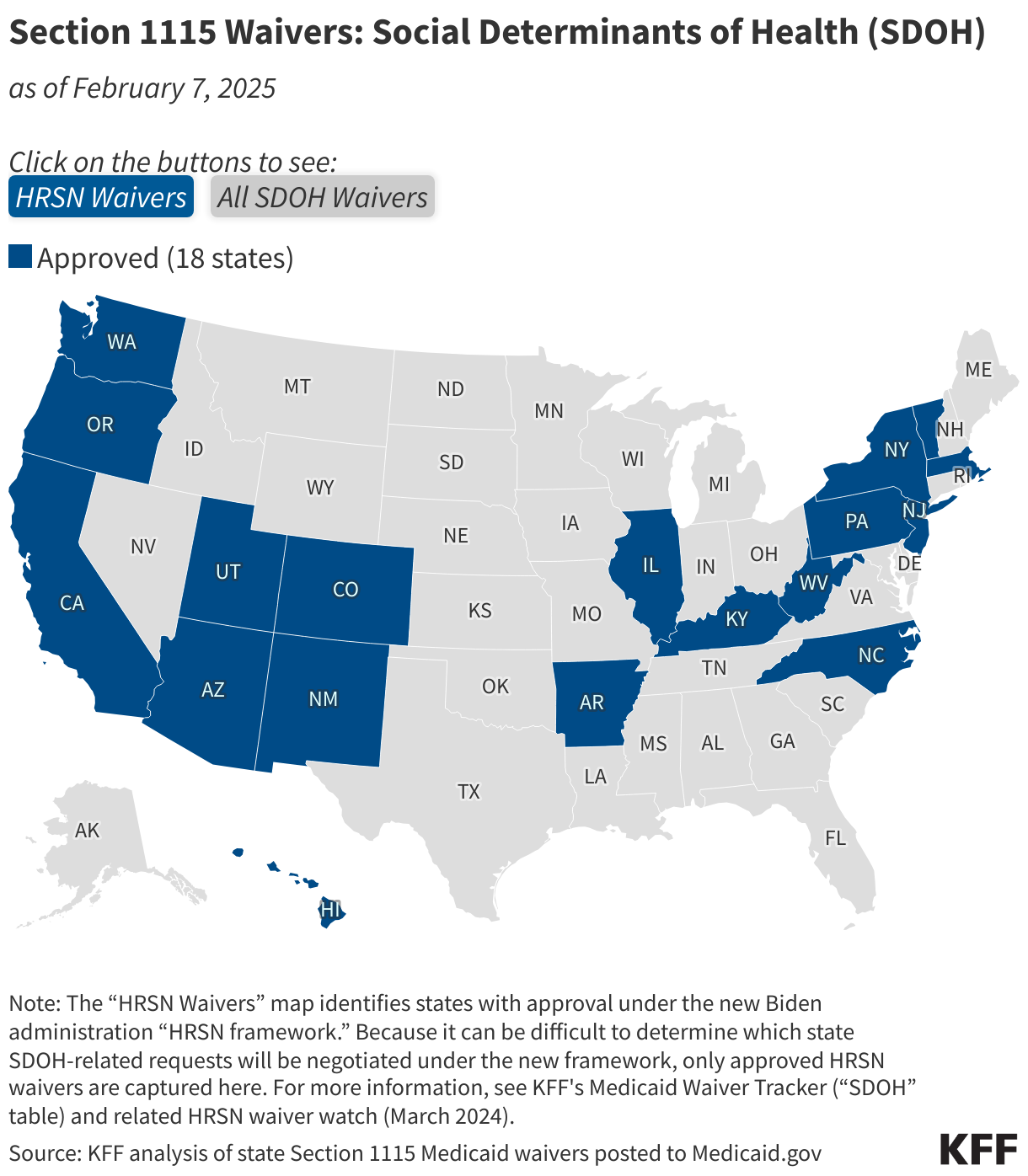
Social determinants of health (SDOH)—encompassing non-medical factors such as housing stability, food security, transportation, education, and personal safety—gained unprecedented momentum under the Biden administration. In 2022 and 2023, CMS rolled out comprehensive policy frameworks designed to encourage states to use Section 1115 waivers to fund housing supports, nutritional counseling, and remediation for environmental hazards among vulnerable Medicaid populations.
The March 2025 rescission of this guidance by the Trump administration has altered the approval landscape. Although states with existing HRSN approvals are permitted to maintain their programs through their current lifecycle, the federal posture on new and expansive SDOH investments has cooled considerably. CMS has signaled a return to traditional statutory boundaries, evaluating targeted non-clinical interventions on a restrictive, case-by-case basis. Consequently, states pursuing innovative approaches to address chronic illnesses linked to environmental and socioeconomic factors must now navigate a much narrower pathway for federal matching funds.
Incarcerated Populations and Pre-Release Coverage
A notable area of bipartisan consensus in recent years has been the expansion of healthcare services for individuals transitioning out of the criminal justice system. Historically, the federal "inmate exclusion policy" prohibited Medicaid from paying for healthcare services delivered to individuals who are incarcerated, creating severe gaps in care upon release, heightened risks of acute medical emergencies, and elevated recidivism rates.
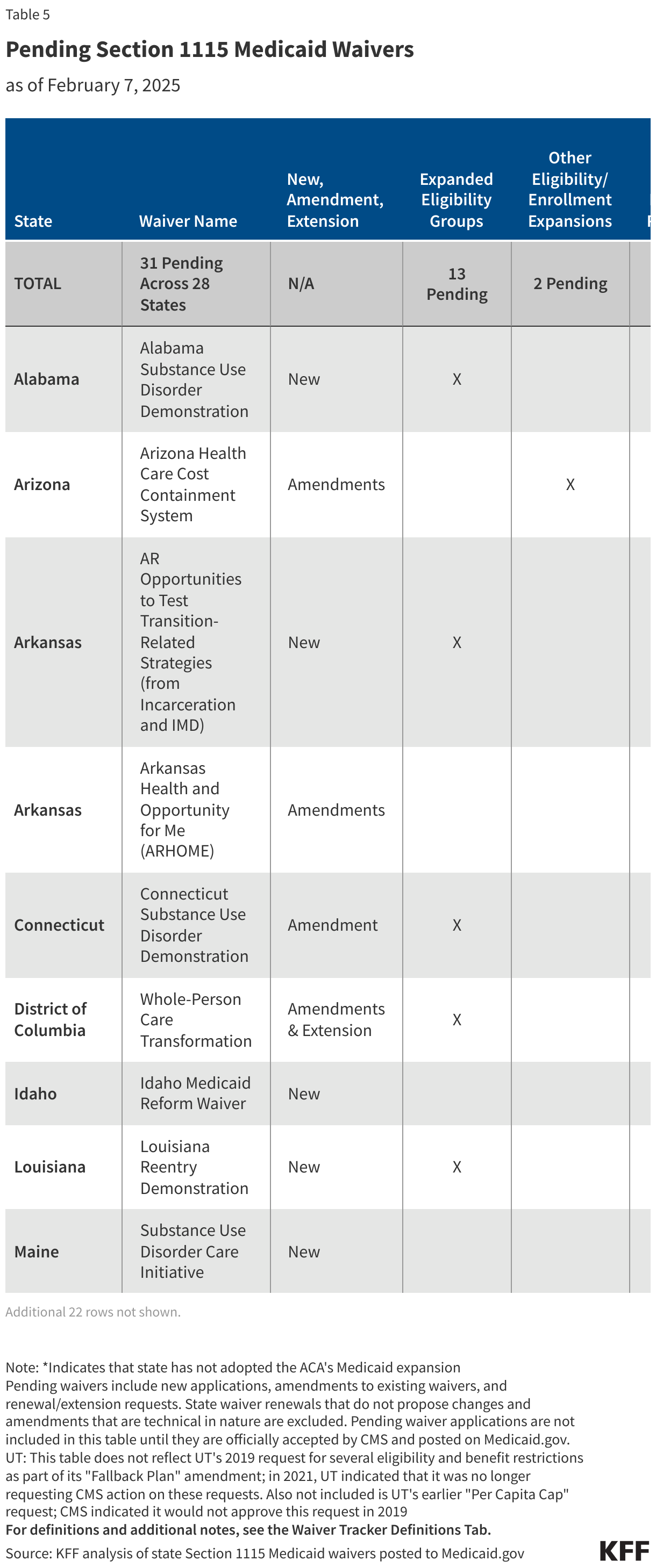
In April 2023, the Biden administration issued landmark guidance encouraging states to apply for Section 1115 demonstrations offering pre-release coverage. This policy permitted Medicaid-eligible individuals held in state prisons, local jails, and juvenile facilities to receive targeted health services up to 90 days prior to their scheduled release, facilitating critical continuity of care for chronic physical and mental health conditions and substance use disorders. Ultimately, 19 states successfully secured approval for these reentry waivers, championed by both Democratic and Republican governors alike.
The Trump administration has continued to engage with this policy area, approving four additional pre-release waivers by September 2026. CMS has also announced that updated reentry demonstration guidance will be published within the coming year, suggesting that pre-release services may remain one of the few areas of continued federal openness under the current administration, provided states adhere to tightened budgetary and administrative parameters.
Continuous Eligibility for Children and Disenrollment Trends

The Consolidated Appropriations Act of 2023 mandated that all states implement 12-month continuous eligibility for children enrolled in Medicaid and the Children’s Health Insurance Program (CHIP) beginning January 1, 2024. Building upon this baseline, the Biden administration approved Section 1115 waivers for nine states seeking to extend continuous eligibility across multiple years—such as maintaining coverage uninterrupted from birth until a child reaches age six. Research has consistently demonstrated that multi-year continuous coverage significantly reduces administrative churn, preventing vulnerable children from losing vital healthcare access due to minor fluctuations in household income or administrative paperwork delays.
However, this policy avenue has faced a definitive federal roadblock. In July 2025, CMS released updated guidance stating that the federal government will no longer approve new multi-year continuous eligibility waivers, nor will it grant extensions for existing programs once they reach their expiration dates. This decision aligns with the administration’s broader push to roll back expansive eligibility flexibilities and re-establish rigorous, frequent redetermination processes across state Medicaid agencies.
Broader Implications for States and Beneficiaries
The convergence of federal rollbacks, newly enacted work mandates, and shifting waiver criteria places state Medicaid directors in a delicate operational environment. States that invested heavily in social determinants of health infrastructure, multi-year continuous enrollment, and specialized workforce initiatives under previous federal guidelines must now reassess their long-term financing models.
Simultaneously, the approaching January 1, 2027 deadline for mandatory adult work requirements necessitates substantial administrative overhauls. State agencies are racing to upgrade their eligibility verification systems, establish reporting mechanisms for beneficiaries, and implement compliance tracking before federal penalties apply. While early adopters like Nebraska, Montana, and Iowa are moving swiftly through State Plan Amendments, other states must weigh the administrative costs and potential coverage losses associated with work mandates against the realities of federal oversight.
As the Section 1115 waiver landscape continues to evolve, health policy analysts and state officials will closely monitor how federal agencies evaluate pending applications. The delicate balance between state-led innovation and federal statutory compliance will ultimately determine the scope of coverage, the availability of supportive non-clinical services, and the administrative stability of Medicaid for tens of millions of low-income Americans in the years ahead.
Related posts: