Gamera Drone, 72-Foot Uncrewed Aircraft With 10,357-Mile Range, Unveiled to Replace MQ-9A Reaper Fleet

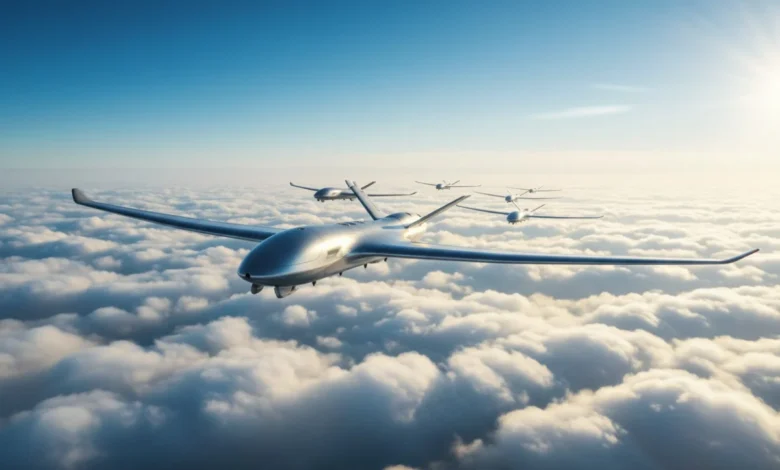
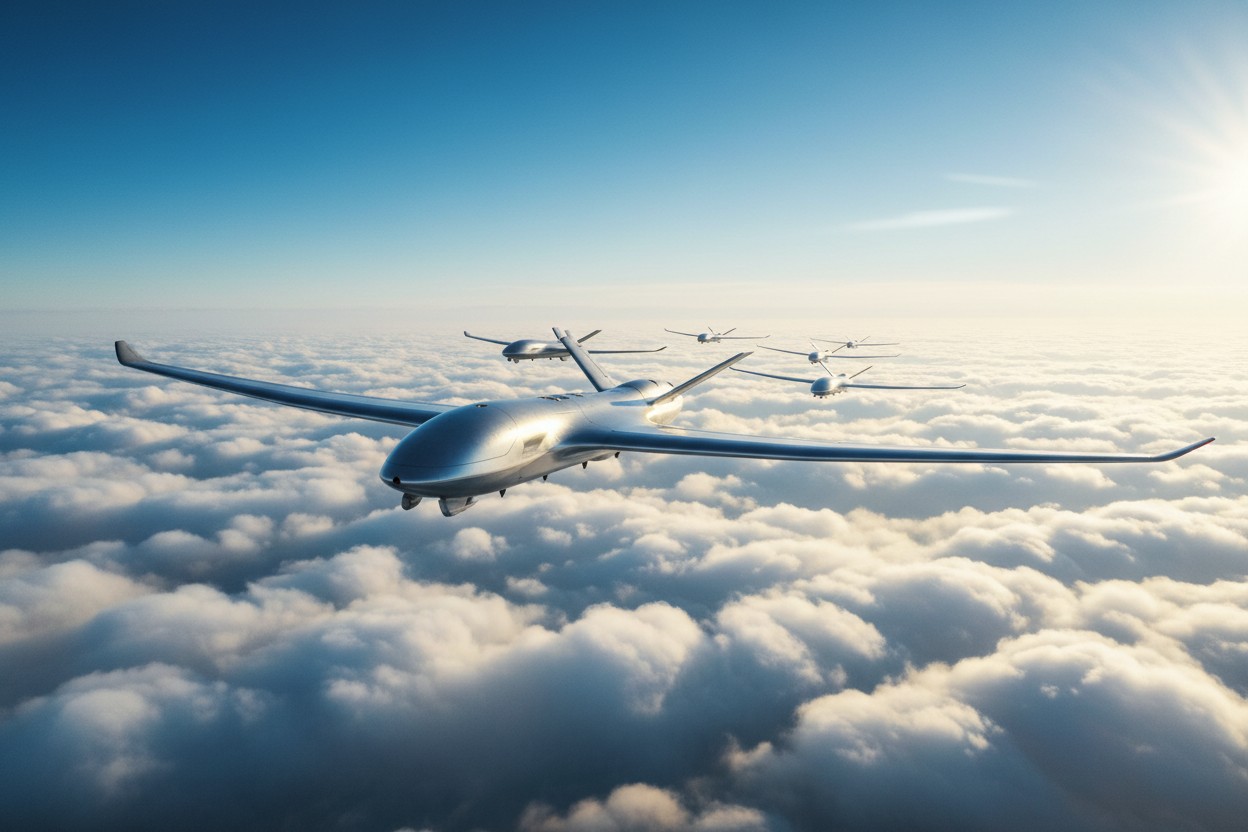
The landscape of modern aerial warfare is undergoing a seismic shift as Swarm Aero, a defense technology firm, officially unveiled the Gamera, a 72-foot uncrewed aerial system (UAS) designed to serve as the long-term successor to the venerable MQ-9A Reaper. With a staggering reported range of 10,357 miles, the Gamera represents a fundamental departure from current medium-altitude, long-endurance (MALE) platforms. By prioritizing a clean-sheet design that emphasizes modularity, cost-efficiency, and swarm capabilities, Swarm Aero is positioning its new asset as a strategic necessity for a U.S. military that increasingly finds its current fleet vulnerable in contested environments.
The unveiling of the Gamera comes at a pivotal moment for the U.S. Air Force. For decades, the MQ-9A Reaper has been the workhorse of global intelligence, surveillance, and reconnaissance (ISR) and precision strike missions. However, the Reaper’s operational model—relying on high-value, expensive assets in permissive environments—has been challenged by the proliferation of advanced air-defense systems among peer adversaries. Recent combat losses of MQ-9 units in conflict zones have accelerated the Pentagon’s urgency to field a more resilient, cost-effective alternative.
Engineering a New Paradigm: The Gamera Specifications
The Gamera is built on a "clean-sheet" architecture, meaning it was designed from the ground up rather than being an iteration of existing airframes. At 72 feet, the wingspan is substantial, allowing for the high-lift, low-drag profile necessary to achieve its 10,357-mile range. This capability effectively places the Gamera in a class of its own regarding endurance, potentially allowing for intercontinental deployments without the need for frequent aerial refueling or proximity to forward-deployed bases—a critical advantage for operations in the expansive Indo-Pacific theater.
While Swarm Aero has remained tight-lipped regarding specific sensor suites and internal payload capacity, the design philosophy focuses heavily on modularity. By utilizing an open-architecture sensor bay, the Gamera is intended to serve as a "flying hub" for communications relay, electronic warfare, and ISR data fusion. Furthermore, the drone is engineered for swarm operations. Unlike the Reaper, which is typically flown as a singular, highly supervised unit, the Gamera is intended to operate in coordinated clusters. This "attritable" design philosophy—meaning the aircraft is inexpensive enough that the loss of a unit does not compromise the mission or break the budget—allows military commanders to deploy the system in high-risk zones where the loss of an MQ-9 would be politically or financially catastrophic.
The Strategic Rationale: Replacing the Reaper
The MQ-9A Reaper, while successful, has become increasingly expensive to maintain and replace. With unit costs climbing and vulnerability to modern electronic warfare, the Air Force has signaled a shift in strategy. Current budget documents suggest the Department of Defense is seeking a "low-cost" replacement that sits at a fraction of the Reaper’s price tag—targeting approximately $10 million per unit.
The rationale for this shift is multifaceted. First, the geopolitical reality of modern conflict has changed. In the Indo-Pacific, the vast distances involved make traditional short-range drones less effective. Second, the prevalence of drone-on-drone warfare in conflicts such as the one in Ukraine has demonstrated that drones are no longer just tools for counter-insurgency; they are expendable munitions in high-intensity conflict. By moving toward a platform like Gamera, the Air Force aims to regain its asymmetric advantage, using a high-volume approach to overwhelm enemy sensors and air-defense networks.
Chronology and Development Timeline
The development of the Gamera project follows a rapid, if opaque, timeline. While the company has not released a specific date for its first flight, industry analysts suggest that the project has been in development for several years, likely benefiting from the rapid advancements in autonomous flight software and carbon-fiber composite manufacturing.
- Initial Research and Design Phase: Focused on developing a high-endurance airframe capable of transoceanic transit.
- Prototype Development: Clean-sheet engineering focused on reducing the radar cross-section and optimizing the power-to-weight ratio.
- Public Unveiling (Monday): Swarm Aero announces the Gamera and its primary mission capabilities.
- Upcoming Milestones: The company is expected to transition into a series of ground tests followed by flight demonstrations. A production decision will likely hinge on the success of these trials, with an emphasis on how the drone performs in contested electronic environments.
Industry and Regulatory Perspectives
The introduction of a new, large-scale uncrewed platform has prompted a mixed reaction from defense analysts and civil liberties groups. From a military standpoint, the Gamera fills a critical gap in the U.S. portfolio. Analysts at several think tanks have noted that the ability to maintain persistent presence over the Indo-Pacific—a region characterized by "tyranny of distance"—is the single most important factor in deterring aggression.
However, the rapid expansion of uncrewed systems into the skies has brought significant oversight concerns. Privacy advocates, including the American Civil Liberties Union (ACLU), have consistently challenged the normalization of drone technology, noting that the same tech used for military surveillance abroad can be repurposed for domestic monitoring. Concerns regarding the "surveillance state" have become a focal point of debate in Congress. Sen. Ed Markey and other legislators have argued that the integration of such powerful ISR platforms must be accompanied by stringent privacy protections to ensure that constitutional rights are not eroded by technological encroachment.
Swarm Aero representatives have attempted to assuage these concerns, stating that the Gamera is designed to comply with all existing military requirements and international legal standards. Nevertheless, the lack of independent verification of the drone’s performance figures remains a point of contention. Without third-party testing, the claim of a 10,000-plus mile range remains an industry-supplied statistic rather than a proven operational capability.
Implications for Future Warfare
The deployment of the Gamera signals a broader trend in global defense: the transition from "bespoke" aircraft to "commodity" platforms. In the past, the U.S. military relied on a small number of extremely sophisticated, expensive aircraft. Today, the focus is shifting toward mass. By developing a drone that can execute complex swarm maneuvers, the U.S. is essentially attempting to turn the volume of its fleet into a strategic weapon.
This shift has profound implications for global security. If the Gamera proves successful, it will likely trigger a new arms race in the development of long-range, attritable uncrewed systems. Global powers are already pouring billions into autonomous technology, from delivery drones to industrial inspection systems, but the military application of these technologies represents the next frontier of global competition.
As the Gamera moves toward flight testing, the eyes of the defense community will be focused on its performance in simulated contested environments. The ability of the software to manage swarm coordination without constant human intervention will be the ultimate test of the platform’s viability. Furthermore, the cost-per-unit metric will be the deciding factor in whether the Gamera becomes the new standard-bearer for the Air Force or remains a niche experimental project.
Looking Ahead
The path forward for the Gamera program involves a rigorous evaluation process. The Air Force will likely require proof that the system can operate effectively under heavy electronic jamming and that its sensor suites are capable of providing actionable intelligence in real-time. As the company prepares for upcoming defense exhibitions, more details regarding the specific payload capacity and weapon integration options are expected to emerge.
Ultimately, the Gamera represents the intersection of two powerful trends: the necessity for long-range, persistent presence in the Indo-Pacific and the strategic shift toward affordable, expendable air power. While questions regarding privacy, oversight, and operational reliability persist, the unveiling of this 72-foot drone confirms that the future of the Air Force will be defined by systems that are larger, longer-ranged, and far more numerous than the ones they are designed to replace. The era of the MQ-9 Reaper is far from over, but the blueprint for its successor is now on the table, and the military’s transition to this new generation of uncrewed warfare has clearly begun.