Understanding and Managing Separation Anxiety in Children: A Comprehensive Guide for Parents


Navigating the emotional landscape of childhood development requires patience, particularly when faced with separation anxiety, a common psychological milestone where a child experiences intense distress when separated from their primary caregivers. This phenomenon, while emotionally taxing for parents, is a normal, healthy phase of development that indicates the formation of a secure attachment. As children begin to understand that their parents are independent beings who can leave and return, they often react with tears, clinginess, or behavioral defiance. Understanding the mechanics of this anxiety and implementing structured, empathetic strategies can help parents support their children through this transitional period effectively.
The Developmental Basis of Separation Anxiety
Separation anxiety is a natural byproduct of a child’s increasing cognitive awareness. In the earliest stages of infancy, a child learns that their caregivers are the primary providers of safety and sustenance. As they grow, this dependency creates a deep psychological comfort zone. When the child begins to grasp the concept of object permanence—the understanding that people and things continue to exist even when they cannot be seen—they also develop the anxiety that those primary figures might not return.
According to developmental psychology research, this anxiety typically begins to manifest between six to eight months of age, peaking between 14 and 18 months, and generally subsiding as the child gains more independence and cognitive maturity. However, it can reappear during periods of high stress, such as moving to a new house, starting a new school, or familial disruption. The intensity of this response varies greatly among individuals, influenced by temperament, environment, and the consistency of the caregiving dynamic.
Chronology of Emotional Development
Understanding when and why these episodes occur can help parents anticipate and mitigate the severity of the reaction.
- Early Infancy (0–6 Months): At this stage, infants are generally adaptable. While they recognize primary caregivers, they are often comfortable being held by others, as their concept of separation is not yet fully developed.
- The Onset (7–12 Months): This is the formative period of "stranger anxiety" and initial separation anxiety. The child has developed a strong preference for primary caregivers and may protest when held by unfamiliar individuals or when a parent leaves the room.
- The Peak (12–24 Months): As the child’s world expands, so does their fear of losing their "anchor." This is often when parents report the most difficult drop-offs at daycare or preschool. The child is mobile and independent, yet emotionally tethered to the parent.
- The Preschool Years (3–5 Years): Children are increasingly able to grasp abstract concepts of time. While they still experience anxiety, they can be reasoned with more effectively through rituals and clear explanations.
Supporting Data and Expert Perspectives
Data from child psychology institutes suggests that nearly 80% of children experience a period of intense separation anxiety. Experts emphasize that the parent’s reaction to this anxiety is just as critical as the child’s behavior. Research indicates that when parents display high levels of anxiety themselves, or conversely, when they attempt to "sneak away" to avoid a scene, they inadvertently reinforce the child’s fear.
Dr. Elena Rossi, a child development specialist, notes, "The most significant error parents make is viewing the child’s crying as a character flaw or a sign of poor discipline. It is, in fact, a neurological expression of the child’s secure attachment to the parent. The goal is not to eliminate the emotion, but to provide the tools for the child to regulate that emotion."
Practical Strategies for Parents
Managing these moments requires a blend of consistency, empathy, and clear communication. The following strategies are recommended for fostering resilience in children:
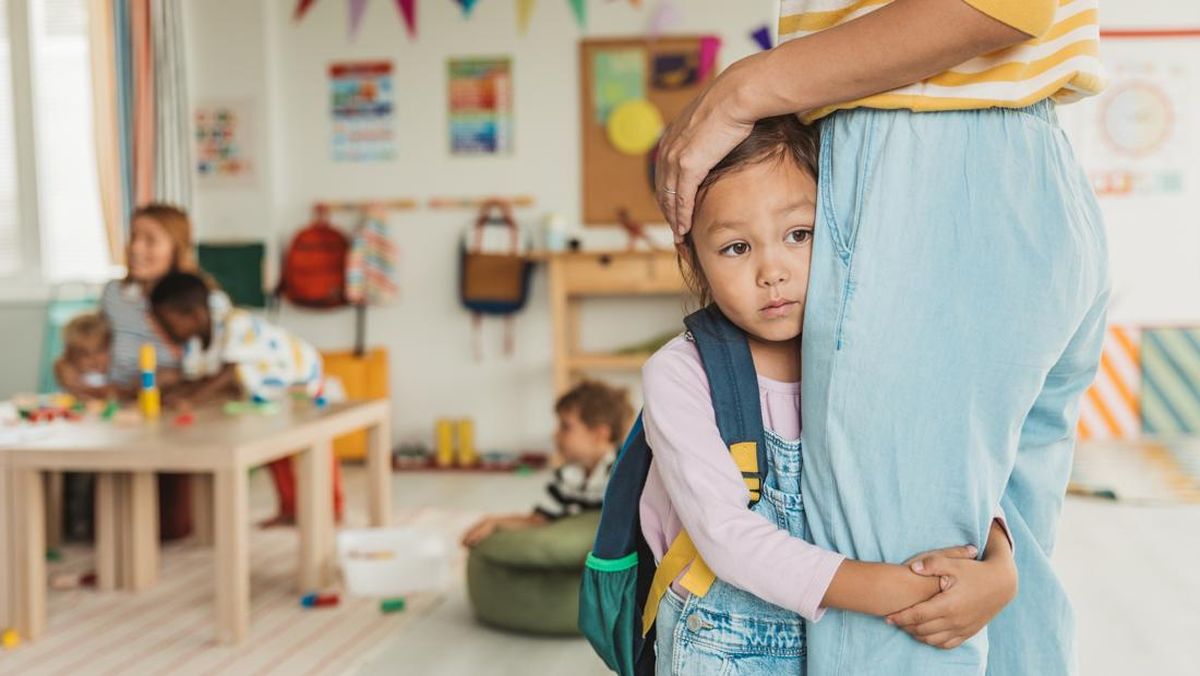
1. The Power of Preparation
Transparency is essential. Never depart while the child is distracted to avoid a scene. This "sneaky" approach can lead to a long-term breakdown in trust, as the child will eventually realize the parent might disappear at any moment. Instead, provide a simple, calm explanation of where you are going and when you will be back. Frame the separation as a positive experience, highlighting activities the child will enjoy in your absence.
2. Establishing Consistent Rituals
Children thrive on predictability. Creating a short, consistent "goodbye ritual"—such as a specific song, a special hug, or a high-five—acts as a psychological signal that the separation is temporary and safe. This ritual should be kept brief; lingering often prolongs the distress for both the parent and the child. Once the goodbye is said, it is vital to depart confidently.
3. Defining Time with Tangible Milestones
Young children lack a sophisticated understanding of clock time. Using abstract terms like "I will be back in two hours" is often ineffective. Instead, use events as markers. "I will be back after your snack time" or "I will see you when you finish your nap" provides the child with a concrete event to look forward to, making the separation period feel finite and manageable.
4. Validating Emotions with Empathy
When a child cries, it is a reflection of their current emotional state. Acknowledging this—"I see that you are sad that I have to go, and it is okay to feel sad"—validates their experience. Following this with a reassuring statement—"I know you can handle this, and I will be back soon"—teaches the child that they possess the internal capacity to manage their feelings. Avoid labels like "manja" (spoiled) or "crybaby," as these can increase the child’s shame and anxiety.
5. Gradual Exposure
Socialization is the best remedy for long-term anxiety. Allow the child to spend time with other trusted caregivers, such as grandparents, aunts, or established friends, in short increments. Gradually increasing the duration of these separations builds the child’s confidence in their ability to survive and thrive without the parent immediately present.
Broader Implications and When to Seek Help
While separation anxiety is a normal part of development, it is important to monitor its duration and impact. If a child’s fear of separation becomes so intense that it prevents them from participating in age-appropriate social activities, hinders their academic performance, or causes physical symptoms like chronic headaches or stomachaches, it may be time to consult a pediatrician or child psychologist.
Persistent, excessive anxiety that does not improve with standard management techniques could indicate a more significant challenge, such as Separation Anxiety Disorder (SAD). In such cases, professional intervention—often involving play therapy or family counseling—can provide the necessary support to help the child regain a sense of security.
Ultimately, the journey of separation is a milestone that marks a child’s transition toward autonomy. By maintaining a calm, reassuring, and consistent presence, parents can transform these moments of distress into opportunities for emotional growth. The child’s ability to cope with temporary separation is a key predictor of their future resilience and their capacity to form healthy, independent relationships in the years to come. Recognizing the normality of this process allows parents to approach the challenge not with frustration, but with the perspective that they are building the foundation of the child’s future self-confidence.