Indonesia Fashion Chamber Unveils ‘Quiet Defiance’ at JF3 2026, Showcasing Resilience and Cultural Heritage


Jakarta, CNN Indonesia – The Jakarta Food and Fashion Festival (JF3) 2026 served as the illustrious backdrop for a profound sartorial statement on Thursday, July 23, 2026, as the Indonesia Fashion Chamber (IFC) presented its highly anticipated fashion parade titled "Quiet Defiance." Held at the vibrant Summarecon Mall Kelapa Gading in North Jakarta, the showcase brought together three of IFC’s visionary designers – Opie Ovie, Weda Githa, and Rengganis – each interpreting the evocative theme through their distinct creative lenses. This event underscored the enduring spirit of Indonesian fashion, demonstrating a steadfast commitment to cultural values and innovative design amidst a perpetually evolving global landscape.
The "Quiet Defiance" theme itself is a powerful articulation of resilience and conviction. It speaks to the quiet strength required to uphold one’s core values and identity in a world constantly barraged by external influences and rapid shifts. It is a nuanced rebellion, not loud or confrontational, but deeply rooted in an unwavering belief in heritage and authenticity. For the Indonesian fashion industry, this theme resonates deeply with the ongoing efforts to balance global trends with the rich tapestry of local traditions, techniques, and philosophies. The IFC, through this parade, sought to inspire both designers and consumers to embrace this quiet strength, finding harmony between the past, present, and future of Indonesian style.
The Genesis of JF3 and IFC’s Pivotal Role
The Jakarta Food and Fashion Festival (JF3) stands as one of Indonesia’s premier annual events, a grand celebration that meticulously intertwines the nation’s culinary prowess with its dynamic fashion scene. Initiated to foster the growth of local industries, JF3 has evolved into a significant platform for showcasing emerging talents, promoting traditional crafts, and facilitating economic opportunities within these vibrant sectors. Its dual focus ensures a broad appeal, drawing diverse audiences from food enthusiasts to fashion connoisseurs, all eager to experience the best of Indonesian creativity and innovation.
The Indonesia Fashion Chamber (IFC), established as a non-profit organization, plays a critical role in nurturing and elevating Indonesian fashion designers. With a mission to empower local talents, promote ethical practices, and position Indonesian fashion on the global stage, IFC serves as a nexus for creativity, education, and industry collaboration. It comprises chapters across major cities, each contributing to a collective vision of a robust, distinctive, and sustainable Indonesian fashion ecosystem. Events like the "Quiet Defiance" parade at JF3 are quintessential to IFC’s mandate, offering its members a prestigious platform to exhibit their artistic interpretations and technical mastery, thereby reinforcing Indonesia’s unique fashion identity. The selection of Opie Ovie from IFC Chapter Jakarta, Weda Githa from IFC Chapter Denpasar, and Rengganis from IFC Chapter Bandung for this particular show highlights IFC’s commitment to showcasing the diverse regional interpretations of Indonesian design.
Unpacking "Quiet Defiance": A Designer’s Perspective
The conceptualization of "Quiet Defiance" provided a fertile ground for the designers to explore the intricate relationship between tradition and modernity, individuality and collective identity. Each collection presented was a testament to the theme’s versatility, translating its essence into wearable art that resonated with contemporary sensibilities while honoring ancestral legacies. The runway became a narrative canvas, telling stories of strength, grace, and an understated revolution in style.
Opie Ovie: Noblelitique – Empowered Heritage
Opie Ovie, representing the IFC Jakarta Chapter, unveiled her "Noblelitique" collection, a sophisticated homage to the empowered woman who navigates the modern world without abandoning her ancestral roots. The collection masterfully blended contemporary silhouettes with subtle nods to Indonesia’s rich cultural heritage. Models graced the runway in fluid shirts, elegantly structured jacquard skirts, chic peplum blouses, tailored trousers, and simplified kebaya encim. The choice of these pieces spoke volumes about liberation of movement and a fusion of styles that transcended conventional boundaries.
The color palette for "Noblelitique" was deliberately understated yet impactful, featuring versatile tones such as pristine white, soft denim light blue, and classic black. These "safe" colors, as described, allowed the intricate details and textures to take center stage, making the garments adaptable for various occasions while exuding an air of timeless elegance. What truly set Opie Ovie’s collection apart was the ingenious incorporation of traditional Indonesian motifs, specifically geometric batik nitik cap and kawung patterns. These ancient designs, deeply embedded in Javanese philosophy and aesthetics, were not merely printed but were reimagined through cutting-edge techniques.
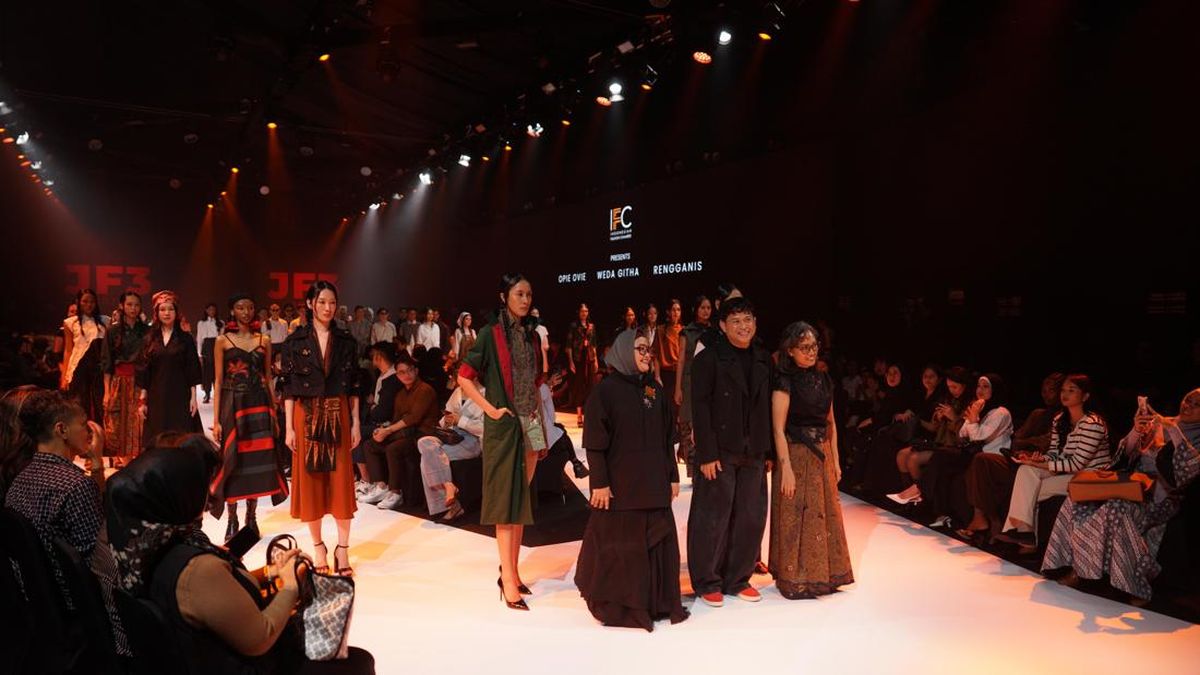
Ovie’s innovative use of laser cutting and 3D printing transformed these traditional motifs into tactile, three-dimensional details on the fabric. This approach challenged the conventional understanding of textile ornamentation, proving that detail can be achieved not just through visible prints but also through sculpted forms that add depth and texture to the garments. The resulting aesthetic evoked a sense of nostalgia, reminiscent of classic Javanese limasan house tiles, yet simultaneously projected a distinctly modern sensibility. "Noblelitique" successfully demonstrated that heritage can be a source of forward-thinking design, proving that the strength of tradition can be quietly asserted through contemporary innovation.
Weda Githa (Xander.G): Aeris Solenne Vol.2 – The Unconventional Vanguard
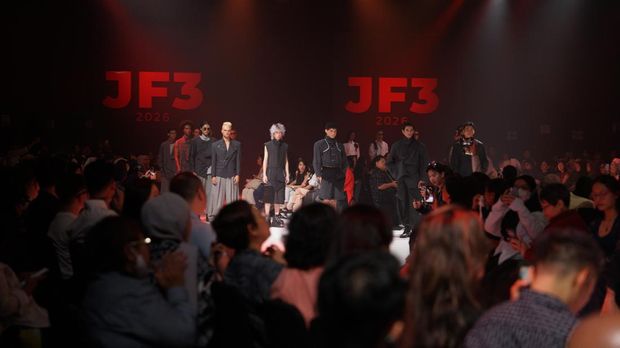
The atmosphere shifted dramatically as Weda Githa, the creative force behind Xander.G and a representative of the IFC Denpasar Chapter, presented "Aeris Solenne Vol.2" for Spring/Summer 2027. The serene sounds gave way to a fast-paced, powerful soundtrack, signaling a bold departure and embodying a "sound of war" – a metaphor for the collection’s audacious spirit. Githa’s presentation was a clear interpretation of defiance, leaning into a strong, almost confrontational aesthetic while maintaining an underlying softness.
The collection, though primarily showcased on male models, was explicitly declared unisex, a move that aligns with global fashion’s increasing embrace of gender-fluid designs. This decision itself was a quiet act of defiance against traditional gendered fashion norms. The silhouettes were characterized by their sharp, decisive cuts, featuring well-defined shirts, tailored trousers, sleeveless tops, and an array of formidable outerwear including coats, jackets, and blazers. These pieces conveyed a sense of power and self-assuredness, designed for an individual who commands attention without needing to shout.
Predominantly rendered in black, the collection maintained its character through a masterful interplay of materials: luxurious wool, rugged denim, and breathable linen. This textural contrast added depth and complexity to the monochrome palette. A particularly unique detail was the incorporation of panko buttons, traditionally associated with Chinese garments, but reinterpreted in a hard, sculptural material. This detail served as a subtle cultural fusion, bridging East Asian aesthetics with contemporary design. The overall impression of "Aeris Solenne Vol.2" was strikingly theatrical, reminiscent of an assembly of cinematic anti-heroes or "villains" gathered on the runway – a powerful visual metaphor for challenging societal expectations and embracing one’s own distinct identity with unwavering confidence.
Rengganis: Midnight Garden – Serene Strength
Bringing the parade to a contemplative close, Rengganis from the IFC Bandung Chapter introduced her "Midnight Garden" collection. Accompanied by the calming sound of rainfall, the presentation cultivated a more relaxed and introspective ambiance. Despite its evocative title, "Midnight Garden" steered clear of overly dramatic or elaborate evening gowns, opting instead for an interpretation that emphasized serene strength and natural beauty.
Rengganis’s collection was a celebration of natural fibers and traditional Indonesian textiles, artfully blending them into a cohesive narrative. Materials like locally sourced natural fibers were combined with exquisite wastra such as batik, lurik, and endek. Lurik, a handwoven striped cloth from Central Java, and endek, an ikat fabric from Bali, are both rich in cultural significance and exemplify sustainable textile practices. These diverse materials were meticulously crafted into versatile silhouettes, including elegant wrap skirts, tailored trousers, flowing skirts, classic shirts, graceful blouses, practical overall jumpsuits, sophisticated shirt dresses, and contemporary kebaya.
The collection’s color progression was thoughtfully orchestrated, beginning with a tranquil palette of white and earthy browns, gradually transitioning to bolder hues of rich red and deep dark green. This subtle shift mirrored the transition from dusk to the vibrant life that emerges under the cover of night in a garden. Floral motifs, a perennial symbol of nature’s beauty, were central to "Midnight Garden." Rengganis incorporated these motifs through intricate embroidery and artful patchwork, ensuring that the detailing, though present in nearly every look, never felt excessive or overwhelming. The result was a collection that exuded a quiet elegance, demonstrating how natural elements and traditional craftsmanship can be harmoniously integrated into modern, wearable fashion that whispers sophistication rather than shouts.
The Broader Implications for Indonesian Fashion
The "Quiet Defiance" parade at JF3 2026 is more than just a fashion show; it is a significant cultural and economic statement for Indonesia. Events like this are crucial for several reasons:
Cultural Preservation and Innovation: The collections showcased exemplify how Indonesian designers are actively engaging with their heritage. By reinterpreting traditional textiles like batik, lurik, and endek, and cultural garments like the kebaya encim, they ensure these precious legacies remain relevant and vibrant for contemporary audiences. The infusion of modern techniques like laser cutting and 3D printing demonstrates a forward-looking approach to preservation, proving that tradition can evolve without losing its essence. This dialogue between old and new is vital for cultural continuity in a globalized world.
Economic Catalyst: JF3, as a large-scale festival, acts as a powerful economic catalyst. It creates direct opportunities for designers, artisans, and manufacturers, boosting sales, fostering collaborations, and stimulating creativity. The exposure gained by designers at such events can lead to new markets, both domestic and international, contributing to the growth of Indonesia’s creative economy. The fashion industry, often intertwined with small and medium-sized enterprises (SMEs), benefits immensely from these platforms, which provide crucial visibility and business development avenues.
Sustainability and Ethical Practices: The emphasis on natural fibers and traditional, often hand-crafted, textiles by designers like Rengganis highlights a growing commitment to sustainability within the Indonesian fashion industry. As global consumers become more conscious of environmental and ethical impacts, showcasing designs that prioritize natural materials and support local artisans aligns Indonesia with international best practices in responsible fashion. This focus not only protects the environment but also preserves the livelihoods of communities dependent on these traditional crafts.
Global Positioning: By consistently presenting innovative and culturally rich collections on well-organized platforms like JF3, IFC and its designers are steadily enhancing Indonesia’s reputation on the global fashion stage. Such events demonstrate the nation’s capacity for sophisticated design, unique aesthetic sensibilities, and a profound narrative. This exposure is critical for attracting international buyers, media attention, and ultimately, for establishing Indonesia as a significant player in the global fashion landscape, distinct from other Asian fashion hubs.
Inspiring the Next Generation: The "Quiet Defiance" theme, with its message of unwavering values amidst change, serves as an inspiration for aspiring designers and young creatives. It encourages them to explore their own cultural identity, to innovate responsibly, and to find their unique voice in a crowded industry. The success stories of designers like Opie Ovie, Weda Githa, and Rengganis provide tangible role models, demonstrating that it is possible to achieve both commercial success and artistic integrity by staying true to one’s vision.
Official Perspectives and Future Outlook
While specific quotes from the event were not provided, it can be logically inferred that representatives from the Indonesia Fashion Chamber would have emphasized the strategic importance of the "Quiet Defiance" theme. A spokesperson for IFC might have stated, "This year’s ‘Quiet Defiance’ theme perfectly encapsulates the spirit of Indonesian fashion – a relentless pursuit of innovation and global relevance, without ever compromising on the rich heritage and values that define us. JF3 provides an invaluable stage for our designers to articulate this vision, fostering both artistic growth and economic prosperity for the industry."
Similarly, the designers themselves would likely have shared their personal connections to the theme. Opie Ovie might have commented, "My ‘Noblelitique’ collection is a tribute to the strength and elegance of Indonesian women, showing how our traditions can beautifully intertwine with modern life through careful design and advanced techniques." Weda Githa could have remarked, "With ‘Aeris Solenne Vol.2,’ I wanted to challenge conventions and celebrate individuality. The ‘Quiet Defiance’ for me is about daring to be different, to be bold, yet always with a foundation of refined craftsmanship." And Rengganis might have added, "My ‘Midnight Garden’ collection reflects the tranquil power of nature and the enduring beauty of our traditional textiles. It’s about finding strength in serenity and allowing our heritage to bloom in new, sustainable ways."
The "Quiet Defiance" parade at JF3 2026 stands as a testament to the dynamic and resilient nature of Indonesian fashion. It is a powerful reminder that true innovation often lies in the thoughtful reinterpretation of tradition, and that profound statements can be made with grace and an unwavering commitment to one’s core identity. As Indonesia continues to carve its niche in the global fashion arena, events like this, championed by organizations like the IFC, are instrumental in showcasing the nation’s unique creative voice and its enduring sartorial legacy. The collections presented by Opie Ovie, Weda Githa, and Rengganis not only captivated the audience but also served as a vivid demonstration of how designers can embrace the future while staying firmly rooted in the rich soil of their cultural past.