Erling Haaland’s High-Performance Diet Sparks Unconventional MPASI Trend on Social Media, Prompting Urgent Warnings from Nutrition Experts


The dietary habits of Manchester City’s prolific striker, Erling Haaland, have recently become a viral sensation across social media platforms. Beyond the sheer volume of his caloric intake, which fuels his extraordinary athletic performance, a peculiar trend has emerged: parents are jokingly, yet increasingly, suggesting Haaland’s robust meal plans as an unlikely inspiration for their infants’ complementary feeding (MPASI – Makanan Pendamping ASI, or solid food for babies). This light-hearted online discourse has, however, triggered serious cautionary statements from medical professionals, who emphasize the critical distinction between an elite athlete’s nutritional demands and the delicate, evolving needs of a baby.
The social media phenomenon gained traction rapidly, with users on platforms like Threads posting humorous yet concerning remarks. One user quipped, "Haaland’s mom, won’t you share your MPASI tips? What did this kid eat when he was little?" Another comment echoed the sentiment, "Current MPASI mothers: ‘Eat properly so you can be like Haaland,’ ‘Drink milk so you can be like Haaland,’ ‘Exercise diligently, don’t be lazy, so you can be like Haaland.’" These posts, while seemingly in jest, underscore a broader public fascination with the dietary regimens of high-performing individuals and a potential for misinterpretation when applied to vastly different physiological contexts. The allure of a ‘superfood’ or a ‘magic diet’ that could unlock peak physical potential, even in infancy, proves powerful, often overshadowing fundamental nutritional science.
The Context of Elite Athlete Nutrition
Erling Haaland, renowned for his incredible physique, explosive speed, and relentless goal-scoring ability, adheres to a meticulously structured diet designed to support the immense physical demands of professional football. While specific details of his daily menu are often the subject of media speculation, it is generally understood that his diet emphasizes very high protein intake for muscle repair and growth, substantial complex carbohydrates for energy replenishment, and healthy fats for overall bodily functions and satiety. Such a regimen is typically crafted by sports nutritionists, taking into account his training load, match schedule, recovery needs, and individual metabolic profile. For an athlete of Haaland’s caliber, whose daily energy expenditure can easily exceed 4,000 to 6,000 calories, consuming large quantities of nutrient-dense foods is not merely a preference but a physiological necessity to maintain performance and prevent injury. This includes consuming organ meats, prioritizing quality protein sources, and ensuring adequate hydration and micronutrient intake through a diverse range of fruits and vegetables. The goal is maximum output and rapid recovery, a stark contrast to the developmental goals of infant nutrition.
Expert Warning: A Chasm Between Athlete and Infant Needs
Dr. Johanes Chandrawinata, a specialist in clinical nutrition, has issued a stern warning against the burgeoning "MPASI ala Haaland" trend, stressing the fundamental incompatibility between an elite athlete’s diet and a baby’s nutritional requirements. "While it might seem nutritious, this composition is formulated based on the physiological needs of an athlete, not a baby who is just starting to be introduced to complementary foods," Dr. Chandrawinata explained to CNNIndonesia.com on Monday (20/7). He underscored that the physiological systems of an infant are vastly different from those of a fully developed, highly active adult. An infant’s digestive system, kidneys, and metabolic pathways are still maturing, making them highly susceptible to adverse effects from inappropriate dietary interventions.
Complementary feeding, or MPASI, is introduced to infants typically from six months of age, precisely because breast milk or formula alone can no longer meet all their increasing nutritional demands for rapid growth and development. The World Health Organization (WHO) and various national health bodies advocate for a gradual, age-appropriate introduction of foods, focusing on nutrient density, variety, and texture progression. The primary goals of MPASI are to provide essential macronutrients (carbohydrates, proteins, fats) and micronutrients (vitamins and minerals, especially iron and zinc, which may deplete around six months of age) while also developing oral motor skills and healthy eating habits.
The Gradual Stages of MPASI: A Chronological Approach
The introduction of MPASI follows a meticulously designed chronological progression to accommodate a baby’s developing digestive system and oral motor skills. Adherence to these stages is crucial for optimal development and to minimize risks such as choking or digestive upset.
- Ages 6-8 Months: During this initial phase, foods should have a smooth, pureed, or very soft texture, such as thick porridges or finely mashed fruits and vegetables. The consistency allows for easy swallowing and digestion while minimizing choking hazards. The focus is on single-ingredient foods to identify potential allergies and to allow the baby to become accustomed to new tastes. Typically, two to three meals per day are recommended, starting with small amounts (1-2 tablespoons) and gradually increasing. The caloric needs for this age range are approximately 600-700 kcal/day, with about 70% still derived from breast milk or formula, and the remainder from MPASI. Key nutrients to introduce include iron-fortified cereals, pureed meats, and mashed legumes.
- Ages 9-11 Months: As infants develop better chewing and swallowing abilities, the texture of MPASI can progress to finely chopped, mashed, or lumpy foods. Finger foods, which encourage self-feeding and fine motor development, can also be introduced at this stage. Examples include soft cooked vegetables (like carrots or sweet potatoes), small pieces of ripe fruit (like banana or avocado), or soft-cooked meats and poultry cut into tiny, manageable pieces. The frequency increases to three to four meals per day, plus one to two nutritious snacks. Caloric needs rise to around 700-800 kcal/day, with about 50% from breast milk/formula and 50% from MPASI. Introducing a wider variety of textures helps with oral motor skill development.
- Ages 12-23 Months: By their first birthday, toddlers are typically ready to consume family meals, provided the food is appropriately chopped or mashed to prevent choking. A wider variety of foods, including whole grains, legumes, and different protein sources, can be offered. Three to four meals per day, along with one to two nutritious snacks, are recommended. At this stage, breast milk or formula still contributes significantly, but MPASI provides a greater proportion of the daily caloric intake, roughly 800-1000 kcal/day. Encouraging self-feeding with utensils and incorporating a broad spectrum of nutrient-dense foods supports sustained growth and cognitive development.
Throughout these stages, the emphasis is on balance, variety, and nutrient density, rather than simply caloric bulk. Crucial micronutrients like iron, zinc, Vitamin A, and Vitamin C are often prioritized through fortified cereals, meat, fish, eggs, and colorful fruits and vegetables.
The Detrimental Effects of Excessive Protein and Calories
Dr. Chandrawinata specifically highlighted the dangers of providing excessive calories and protein to infants. "Excessive caloric and protein intake in infants is not good because the risk of overweight and obesity increases with high intake of animal protein and total protein," he warned. This aligns with global concerns about the rising prevalence of childhood obesity, which carries significant long-term health risks, including type 2 diabetes, cardiovascular disease, and certain cancers later in life. Data from organizations like UNICEF and WHO consistently show that inappropriate feeding practices, including overfeeding and early introduction of high-calorie, low-nutrient foods, contribute significantly to this global health crisis. For instance, in 2020, 39 million children under the age of 5 were overweight or obese globally, a number that continues to grow.
Beyond the risk of obesity, an overabundance of protein places an undue burden on a baby’s still-developing kidneys. The kidneys are responsible for filtering waste products of protein metabolism, and an excessive load can strain these delicate organs, potentially leading to long-term renal issues. Moreover, high protein intake can disrupt the delicate balance of other essential nutrients. "Nutritional disturbances can occur because eating too much protein causes a reduction in the intake of other important nutrients for brain growth and energy, such as healthy fats, iron, and carbohydrates," Dr. Chandrawinata elaborated. Healthy fats are crucial for brain development, nerve function, and absorption of fat-soluble vitamins. Iron is vital for cognitive development and preventing anemia, which can impair cognitive function and physical growth. Carbohydrates are the primary energy source for a rapidly growing infant, fueling their intense metabolic rate and brain development. Displacing these critical nutrients with disproportionately high protein can compromise a baby’s overall growth, cognitive function, and immune system development.
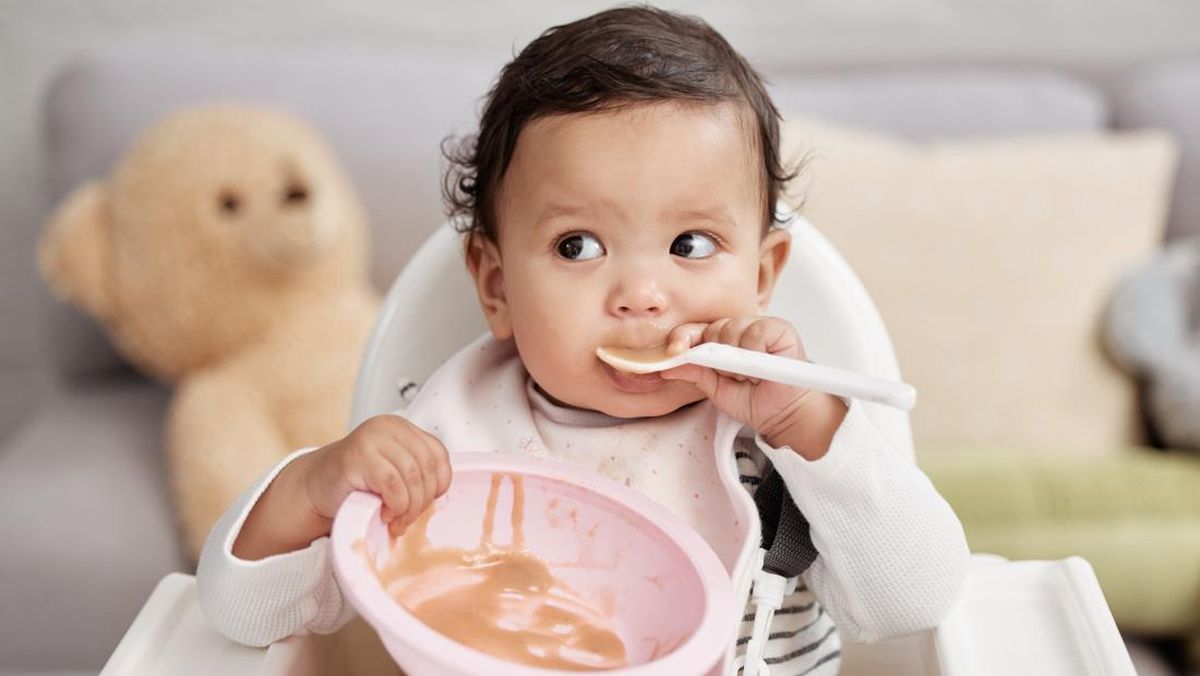
Deconstructing Haaland’s Diet vs. Infant Nutritional Needs
To further illustrate the stark contrast, consider the typical macronutrient distribution recommended for infants compared to an athlete like Haaland. An infant’s diet requires a relatively higher proportion of fats (around 30-45% of total calories for brain development) and carbohydrates (around 45-60% for energy), with protein typically ranging from 7-15% of total calories, adjusted for age and weight. For example, a 6-month-old typically needs about 9-11 grams of protein per day, a modest amount compared to adult needs.
In contrast, Haaland’s diet, as inferred from general elite athlete practices and anecdotal reports, likely involves:
- Protein: Significantly higher, potentially 1.6-2.2 grams per kilogram of body weight, or even more during intense training periods. For an adult male weighing 80-90 kg, this could mean 128-198 grams of protein daily, sourced from lean meats, fish, eggs, and dairy products like quark.
- Carbohydrates: Abundant complex carbohydrates (whole grains, sweet potatoes, rice, pasta) to replenish glycogen stores, often making up 50-65% of total calories, translating to hundreds of grams daily, particularly around training sessions.
- Fats: Healthy fats (avocado, nuts, seeds, olive oil, fatty fish) for sustained energy, hormone production, and inflammation management, typically 20-35% of total calories.
- Micronutrients: A vast array of vitamins and minerals from a wide variety of fruits, vegetables, and sometimes targeted supplements, to support high metabolic activity, immune function, and rapid recovery. Haaland has reportedly consumed organ meats like liver and heart, which are micronutrient powerhouses.
- Hydration: Extensive fluid intake, often several liters per day, including electrolyte-rich beverages, to compensate for fluid loss through sweat during intense physical exertion.
Applying such a diet to an infant would be catastrophic. The sheer volume of food alone would be overwhelming for their tiny stomachs, which are only about the size of their fist. The high protein load would stress their immature kidneys and potentially lead to dehydration due to the increased water required for metabolism of nitrogenous waste. The complex fiber content from whole grains and raw vegetables, while beneficial for adults, could cause severe digestive distress, bloating, and gas in infants whose digestive systems are not yet equipped to process such complex components. Furthermore, the high caloric density, while necessary for an athlete burning thousands of calories, would lead to rapid, unhealthy weight gain in a sedentary infant, setting them on a path towards childhood obesity.
The Role of Media Literacy and Responsible Parenting
The "MPASI ala Haaland" trend, while originating as a humorous meme, highlights a broader issue in the digital age: the rapid dissemination of health and wellness information, often without proper context or expert verification. Social media platforms, while connecting communities and facilitating information exchange, can also become fertile ground for misinformation or misapplication of advice. This underscores the critical need for media literacy among parents and caregivers to discern credible information from anecdotal, humorous, or potentially misleading content.
Public health campaigns and pediatric associations continually strive to provide evidence-based guidelines for infant and young child feeding. These guidelines are the culmination of extensive research into child development, nutritional science, and public health outcomes, often developed by expert committees from organizations like the WHO, UNICEF, and national pediatric societies. Deviating from these established recommendations based on celebrity diets, however well-intentioned, can have serious consequences for a child’s health trajectory.
Emulating Principles, Not Portions: A Balanced Perspective
Despite the clear dangers of literally adopting Haaland’s diet for infants, Dr. Chandrawinata acknowledges that some underlying principles of the athlete’s lifestyle can indeed offer valuable inspiration for healthy living, provided they are adapted to individual needs and developmental stages. "While not recommending the public follow Haaland’s menu in its entirety, there are some principles of the footballer’s eating habits that can still be an inspiration," he noted.
These principles include:
- Prioritizing Natural or Whole Foods: This is a universally beneficial principle. For infants, this means homemade MPASI from fresh, unprocessed ingredients, avoiding added sugars, excessive salt, and artificial additives often found in highly processed foods. For adults, it translates to focusing on fruits, vegetables, whole grains, lean proteins, and healthy fats rather than processed snacks and fast food, which often lack essential nutrients and contain unhealthy levels of sodium, sugar, and unhealthy fats.
- Meeting Protein Needs According to Physical Activity: While infants need adequate protein for growth and development, the amount is significantly less than an athlete. For adults, this means adjusting protein intake based on activity level, ensuring sufficient protein for muscle maintenance and repair without overconsumption, which can have its own health implications.
- Regular Consumption of Fruits and Vegetables: Rich in vitamins, minerals, fiber, and antioxidants, fruits and vegetables are cornerstones of a healthy diet for all ages. For infants, introducing a variety of colorful fruits and vegetables from the start helps develop diverse palates and ensures a broad spectrum of micronutrient intake, crucial for immunity and overall development.
- Adequate Sleep: Sleep is crucial for growth, development, recovery, and overall well-being. Infants require extensive sleep for cognitive and physical development, while athletes need it for muscle repair, hormonal balance, and mental acuity. Establishing healthy sleep routines for both children and adults is a fundamental aspect of holistic health.
- Balancing Energy Intake with Daily Activity: This fundamental principle of energy balance is key to maintaining a healthy weight. For an athlete, it means consuming enough calories to fuel intense training and competition. For a sedentary individual, it means moderating intake to prevent weight gain. For an infant, it means providing sufficient, but not excessive, calories to support rapid growth without leading to overweight or obesity, ensuring their growth curve remains healthy.
Broader Implications and the Call for Credible Information
The "MPASI ala Haaland" trend serves as a pertinent case study in the broader challenges of public health communication in the digital era. It highlights how easily complex nutritional science can be oversimplified or distorted when presented through the lens of popular culture and social media. The immediate implications are a heightened risk of parents making potentially harmful dietary choices for their infants, driven by a desire for optimal development, but misinformed by viral content.
In the long term, such trends can erode public trust in established health guidelines if not effectively countered by clear, consistent, and accessible expert advice. It reinforces the urgent need for health professionals, public health organizations, and credible media outlets to actively engage in dispelling myths and providing accurate, evidence-based information. Parents are encouraged to consult pediatricians, registered dietitians, or public health nurses for personalized MPASI advice, rather