The Emergence of Winged Ants in Homes: Understanding Causes and Effective Management Strategies

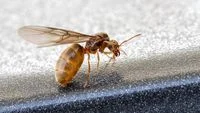
The appearance of winged ants, often referred to as alates or swarmers, within residential spaces is a phenomenon that can cause alarm and discomfort for homeowners. While not directly harmful to human health, these insects signal reproductive activity and, if left unaddressed, can contribute to structural damage over time. Understanding the underlying causes of their presence and implementing effective management strategies is crucial for maintaining a pest-free and structurally sound home environment.
Understanding the Reproductive Cycle and Initial Infiltration
The primary driver behind the appearance of winged ants in homes is their natural reproductive cycle. During specific periods, typically influenced by environmental cues such as temperature and humidity, colonies mature to a point where they produce winged reproductives, both males and queens. These alates emerge from established nests, often in large numbers, to embark on a mating flight.
Their entry into homes is usually facilitated by open access points. Windows, doors, and even small cracks or gaps in walls can serve as pathways for these insects. Their limited navigational capabilities can lead them to enter inadvertently while seeking mates or exploring new territories. Once inside, the mating ritual commences. Following this, the male ants typically perish, having fulfilled their reproductive role. The fertilized queens, on the other hand, shed their wings and seek suitable locations to establish new colonies. This often involves finding secluded, often damp or dark areas, which can include wall voids, attics, or even spaces within wooden structures.
Beyond Reproduction: Other Contributing Factors
While reproduction is the most common catalyst, other factors can contribute to the presence of winged ants indoors. As highlighted by resources like Netmums, the sheer volume of winged ants can sometimes be misleading. A few scattered individuals may have simply wandered in without an immediate infestation threat. However, a significant congregation, especially if observed emerging from cracks in walls or floors, warrants closer attention. This scenario strongly suggests the presence of an established nest either within the home’s structure or in close proximity to the property, such as in the garden or surrounding landscape.
The environmental conditions within a home can also play a role. Homes that offer moisture and potential food sources, even if seemingly minimal, can attract foraging ants, including winged ones that may have lost their way or are seeking refuge. The structural integrity of the building itself is also a consideration. Older homes or those with compromised foundations might present more opportunities for ants to establish nests within their walls.
Investigating the Source: Identifying an Infestation
Distinguishing between a few stray winged ants and a genuine infestation requires careful observation. If winged ants are seen sporadically and do not reappear in large numbers, it is likely an isolated event. However, if the sightings are frequent, involve substantial numbers, and appear to originate from specific areas within the house, it is a strong indicator of an active colony. The presence of actual ants (non-winged) or ant trails leading to or from a specific location further solidifies the suspicion of an infestation.
The types of ants commonly encountered as winged reproductives in homes include species like carpenter ants, pavement ants, and odorous house ants, each with slightly different nesting preferences and behaviors. Carpenter ants, for instance, are known to excavate wood, often in damp or decaying areas, which can lead to significant structural damage. Pavement ants typically nest outdoors in soil or under paving stones but will forage indoors for food. Odorous house ants, named for their distinctive smell when crushed, are also common household pests that can form colonies within wall voids or under floorboards.
A Chronology of Swarming Events
While specific dates can vary based on geographic location and prevailing weather patterns, ant swarming events often follow a predictable seasonal pattern. In many temperate regions, swarming typically occurs in the spring and early summer months, when temperatures rise and humidity levels increase, signaling optimal conditions for reproduction. Some species may have a second, smaller swarming event in the late summer or early fall.
The initial sighting of winged ants in a home can be considered the first indication of a potential issue. This is followed by the mating flight. Post-mating, queens begin their search for nesting sites. If a suitable indoor location is found, the queen will shed her wings and start laying eggs. Over time, this will develop into a new colony, with worker ants emerging to forage and maintain the nest. The discovery of actual ant trails or a significant number of non-winged ants would indicate that a new colony has been successfully established.
Managing Winged Ant Presence: A Multifaceted Approach
Addressing the presence of winged ants requires a combination of immediate action and long-term preventative measures. Several methods can be employed to manage these insects, ranging from DIY solutions to professional interventions.
1. Targeted Insecticide Application
For localized infestations, specially formulated insecticidal dusts designed for winged ants can be effective. These products are typically injected into small drilled holes in areas where ants are suspected to be nesting. This method targets the colony directly. However, accurately identifying the nest location can be challenging for homeowners. In such cases, consulting with professional pest control services is recommended. Experts possess the knowledge and tools to precisely locate colonies and apply treatments safely and effectively.
2. Spray Pesticides: Immediate but Limited Impact
Pesticide sprays offer a quick solution for visible ants, whether crawling or flying. They can kill ants on contact, providing immediate relief. However, it is crucial to understand that these sprays generally do not eliminate hidden colonies. The underlying nest will continue to produce new ants, necessitating repeated applications and potentially leading to a prolonged battle. When using spray pesticides, meticulous adherence to label instructions is paramount. Many are toxic and require careful handling, especially in enclosed living spaces, to minimize risks to humans and pets. Proper ventilation during and after application is essential.
3. The Efficacy of Boiling Water
A more direct, albeit potentially localized, method involves pouring boiling water directly onto suspected ant nests. This approach can be effective for surface nests or those located in accessible outdoor areas. The extreme heat of boiling water can kill ants on contact and disrupt the nest structure. However, this method is less suitable for nests hidden within walls or inaccessible areas of the home, and care must be taken to avoid personal injury or damage to surrounding materials.
4. Addressing Structural Weaknesses: Replacing Damaged Wood
If the winged ants have caused damage to wooden structures, such as furniture or parts of the building’s frame, replacing the compromised wood is a critical step. This not only removes potential nesting sites but also prevents further structural degradation. Species like carpenter ants are particularly adept at excavating wood, and their presence can go undetected until significant damage has occurred. Prompt replacement of infested or decaying wood is an integral part of a comprehensive pest management strategy.
5. Vacuuming for Immediate Removal
A common and immediate method for dealing with visible winged ants is to use a vacuum cleaner. This effectively removes ants from surfaces. However, it is essential to dispose of the vacuum bag or canister immediately after use and to do so outside the home. Leaving the collected ants within the house, even in a vacuum bag, can allow them to escape and re-enter, negating the effort. This method is best for immediate cleanup rather than long-term colony eradication.
6. Natural Deterrents: Dish Soap and Peppermint Oil
For homeowners seeking natural alternatives, a mixture of dish soap and peppermint oil can be a viable option. Combining one part liquid dish soap with a few drops of peppermint oil in a spray bottle filled with water creates a solution that can effectively deter and kill ants. When sprayed directly onto ants, the soap disrupts their exoskeleton, leading to dehydration, while the peppermint oil acts as a repellent and can also contribute to their demise. This mixture can be applied to ant trails and around suspected entry points.
7. Employing Sticky Traps
Sticky traps designed to attract and capture insects can also be useful in managing winged ants. These traps typically contain an attractant that draws ants to the adhesive surface, where they become trapped. While they may not eliminate an entire colony, they can help reduce the population of foraging ants and provide an indication of the extent of the problem. Placement of these traps should be in areas where ant activity is observed.
8. Eliminating Food Sources: A Proactive Defense
A fundamental aspect of ant control, for both winged and non-winged varieties, is to eliminate their food sources. Regular cleaning of countertops and floors, particularly in the kitchen, is crucial. Sweet and sticky residues are particularly attractive to ants. Storing food, especially sugary items, in airtight containers is a highly effective preventative measure. By removing readily available food sources, homeowners can significantly reduce the likelihood of ants being attracted to their homes in the first place. This proactive approach is a cornerstone of integrated pest management.
Broader Implications and Expert Perspectives
The recurring appearance of winged ants can sometimes be indicative of larger environmental factors or structural issues within a property. Experts in entomology and pest control often emphasize that while individual swarms may be transient, persistent sightings can signal underlying problems. For instance, a home with consistent moisture issues or areas of decay might become a prime target for certain ant species looking to establish nests.
The economic implications of ant infestations can also be significant. Beyond the immediate nuisance and the cost of pest control, some ant species, like carpenter ants, can cause considerable damage to the structural integrity of a home. Repairs to wooden beams, walls, and other wooden elements can be extensive and costly. Property owners are therefore advised to take any signs of infestation seriously and to address them promptly.
Official Responses and Community Engagement
While there are no specific official "responses" from government bodies regarding individual homeowner ant problems, public health departments and local pest control authorities often provide educational resources on common household pests. These resources typically outline the identification, prevention, and control of various insects, including ants.
Community forums and online groups, such as the HaiBunda Squad mentioned in the original article, serve as valuable platforms for homeowners to share experiences, exchange tips, and seek advice on pest-related issues. This peer-to-peer learning can be particularly helpful in identifying effective local solutions and understanding common challenges faced by residents in a particular area. The offer of joining such communities for sharing parenting tips and participating in giveaways underscores the communal aspect of addressing household concerns.
Conclusion
The emergence of winged ants in homes is a natural phenomenon driven primarily by reproductive cycles, but it also serves as a potential indicator of more significant issues. By understanding the causes, recognizing the signs of an infestation, and implementing a comprehensive management strategy that includes both immediate removal and long-term prevention, homeowners can effectively address the presence of these insects and safeguard their living spaces. A combination of targeted treatments, diligent cleaning, and addressing structural vulnerabilities will contribute to a more resilient and pest-free home environment.