The Role of Butyric Acid in Gut Health, Inflammation, and Metabolic Regulation: A Comprehensive Review of Current Science

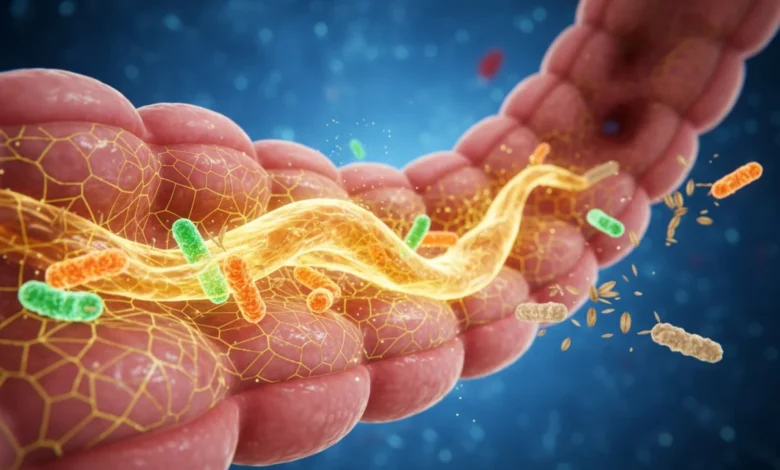
The scientific community is increasingly focusing on the complex relationship between the human microbiome and systemic health, with butyric acid emerging as a central mediator in this biological dialogue. Butyric acid, a four-carbon short-chain fatty acid (SCFA) also known as butyrate, is not merely a byproduct of digestion but a critical signaling molecule that influences everything from intestinal integrity to immune response and metabolic homeostasis. As researchers delve deeper into the molecular mechanisms of the human colon, the production of butyrate via the fermentation of dietary fiber has been identified as a cornerstone of gastrointestinal wellness. While the compound is found in small quantities in certain dairy products, its primary source in humans is the internal "bioreactor" of the large intestine, where specific anaerobic bacteria break down complex carbohydrates that the human body cannot digest on its own.
The Biochemistry of Butyrate Production and Microbial Synergy
The production of butyrate is a sophisticated biochemical process that occurs primarily in the distal regions of the digestive tract. Unlike simple sugars or proteins that are absorbed in the small intestine, resistant starches and non-starch polysaccharides travel to the colon relatively intact. Here, they encounter a diverse community of microbiota, specifically butyrate-producing bacteria such as Faecalibacterium prausnitzii, Eubacterium rectale, and various species within the Clostridia class. These microbes utilize specialized enzymes to ferment these fibers, releasing butyrate as a metabolic end-product.
This process represents a pinnacle of evolutionary symbiosis. While the bacteria gain energy from the fiber, the human host receives butyrate, which serves as the primary energy source for colonic epithelial cells, or colonocytes. Research indicates that approximately 70% to 90% of the energy required by these cells is derived from butyrate oxidation. This energy supply is vital for the maintenance of the gut barrier. When colonocytes are well-nourished by butyrate, they can effectively manage the "tight junctions" between cells, preventing the translocation of harmful bacteria and toxins from the gut lumen into the bloodstream—a condition often colloquially referred to as "leaky gut."
Chronology of Research and the Shift Toward Short-Chain Fatty Acids
The recognition of butyrate’s importance has evolved significantly over the last four decades. In the late 20th century, SCFAs were viewed largely as simple metabolic waste products of bacterial fermentation. However, the early 2000s marked a paradigm shift with the discovery of G-protein coupled receptors (GPCRs), specifically GPR41 and GPR43, which are activated by SCFAs. This discovery moved butyrate from the category of "cellular fuel" to "signaling molecule," capable of communicating with the immune system and the brain.
By the 2010s, the advent of high-throughput DNA sequencing allowed scientists to map the gut microbiome with unprecedented precision. This led to the observation that individuals suffering from chronic inflammatory and metabolic diseases—including obesity, Type 2 diabetes, and Crohn’s disease—consistently exhibited lower concentrations of butyrate-producing bacteria. This correlation sparked a wave of clinical trials aimed at determining whether increasing butyrate levels could serve as a therapeutic intervention for these modern health challenges.
Anti-Inflammatory Mechanisms and Immune Modulation
One of the most documented attributes of butyric acid is its potent anti-inflammatory effect. At the cellular level, butyrate acts as a histone deacetylase (HDAC) inhibitor. By inhibiting these enzymes, butyrate can regulate gene expression, particularly those genes involved in the inflammatory cascade. Specifically, butyrate has been shown to suppress the activation of Nuclear Factor-kappa B (NF-κB), a primary transcription factor that triggers the production of pro-inflammatory cytokines such as TNF-alpha and Interleukin-6.
Furthermore, butyrate plays a crucial role in the development and function of regulatory T-cells (Tregs) in the gut. Tregs are the "peacekeepers" of the immune system, responsible for preventing overreactions to harmless substances and maintaining self-tolerance. A landmark study involving patients with Crohn’s disease—a chronic inflammatory bowel disease (IBD)—demonstrated the clinical potential of this mechanism. In a trial where 13 patients were given oral butyrate supplementation, 9 experienced a significant reduction in symptoms, with some achieving full clinical remission. This suggests that butyrate may help "reset" an overactive immune system in the gut, providing a targeted approach to managing IBD and potentially other autoimmune conditions.
Metabolic Health: Diabetes and Insulin Sensitivity
The implications of butyrate research extend far beyond the walls of the intestines, reaching into the realm of metabolic science. Emerging data from animal and human studies suggest that butyrate influences glucose metabolism and energy expenditure. In animal models of diet-induced obesity, butyrate supplementation has been shown to prevent weight gain and improve insulin sensitivity. It appears to achieve this by stimulating the release of gut hormones such as glucagon-like peptide-1 (GLP-1) and peptide YY (PYY), both of which are involved in appetite regulation and insulin secretion.
In human populations, the link between microbial metabolism and diabetes is becoming clearer. Researchers have noted that patients with Type 1 diabetes frequently lack a robust population of butyrate-producing microbes. This deficiency may lead to a weakened gut barrier, which some scientists hypothesize allows environmental triggers to enter the system and provoke the autoimmune destruction of insulin-producing cells. While the research is still in its preliminary stages, the prospect of using "microbial therapeutics" or fiber-focused diets to manage metabolic syndrome is a major focus of current endocrinology.
Clinical Findings in Irritable Bowel Syndrome (IBS)
Irritable Bowel Syndrome, a functional disorder characterized by abdominal pain and altered bowel habits, affects a significant portion of the global population. Unlike IBD, IBS does not typically involve visible inflammation, making it harder to treat. However, butyrate has shown promise here as well. Clinical trials involving patients with IBS reported that butyrate supplementation led to a statistically significant reduction in abdominal pain during defecation.
Scientists believe this effect is due to butyrate’s ability to decrease the sensitivity of the visceral nerves in the gut. By modulating the environment of the colon and supporting the health of the mucosal lining, butyrate may alleviate the hypersensitivity that characterizes IBS. These findings have led many gastroenterologists to recommend fiber-rich diets as a first-line defense for patients with functional gut disorders, prioritizing the natural production of butyrate over pharmaceutical interventions where possible.
Dietary Strategies: From Resistant Starch to Fermentation
While butyric acid is available in supplemental form (often as sodium butyrate or calcium butyrate), most nutritionists and medical professionals emphasize the importance of endogenous production through diet. The primary dietary driver of butyrate production is resistant starch—a type of carbohydrate that resists digestion in the stomach and small intestine.
Common sources of resistant starch include:
- Unripe bananas: As bananas ripen, their resistant starch converts to simple sugars.
- Cooked and cooled starches: Potatoes, rice, and pasta that have been cooked and then refrigerated develop a higher crystalline structure that is resistant to human enzymes.
- Legumes: Beans, lentils, and peas are rich in both fiber and resistant starch.
- Whole grains: Barley and oats provide the necessary substrate for fermentative bacteria.
Experts note that while dairy products like butter and ghee contain butyric acid, the amounts are relatively small and are often absorbed in the upper digestive tract before they can reach the colon. Therefore, the most effective way to elevate colonic butyrate levels is through a diverse, plant-rich diet. However, health practitioners caution that a sudden increase in fiber intake can lead to temporary bloating and gas as the microbial population shifts. A "low and slow" approach to increasing fiber is generally recommended to allow the microbiome to adapt.
Broader Implications and Future Research Directions
The study of butyric acid is a testament to the "food as medicine" philosophy, backed by rigorous molecular biology. The fact that a simple fatty acid produced by bacteria can influence gene expression and immune signaling has profound implications for public health. As Western diets continue to be characterized by high levels of processed foods and low fiber intake, the corresponding decline in butyrate production may be a contributing factor to the rising prevalence of "lifestyle diseases."
The future of butyrate research lies in precision medicine. Scientists are currently investigating whether "butyrate-producing cocktails" of probiotics could be used to treat specific diseases, or if fecal microbiota transplants (FMT) could be optimized to restore butyrate levels in severely ill patients. Additionally, the role of butyrate in the gut-brain axis is a burgeoning field, with some studies suggesting that SCFAs may influence neuroinflammation and mood disorders.
In conclusion, while more large-scale human trials are necessary to establish definitive therapeutic dosages and long-term safety profiles for supplements, the foundational role of butyric acid in human health is undeniable. Maintaining a healthy, fiber-rich diet is no longer just about "regularity"; it is about fueling a complex biological system that protects the body from inflammation, supports metabolic health, and ensures the integrity of the body’s primary interface with the external world. As research progresses, butyrate will likely remain at the forefront of preventative medicine and gastroenterological health.