The Intergenerational Link: How Grandparenting May Safeguard Cognitive Health

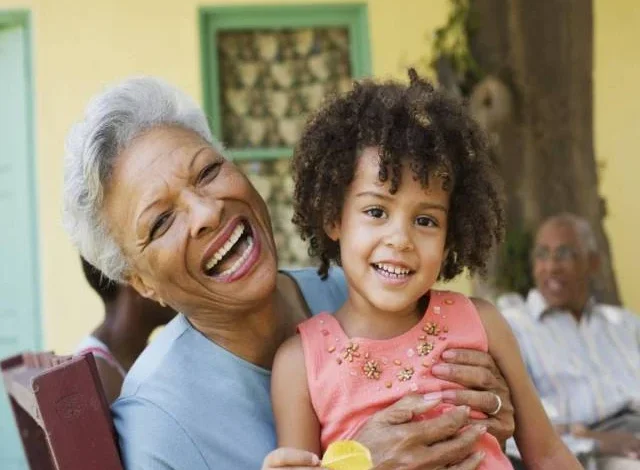
The profound joy of watching grandchildren grow, a sentiment echoed by countless new grandparents, is now understood to offer more than just emotional fulfillment. A recent study, drawing on extensive data, suggests that being an actively engaged grandparent could serve as a significant protective factor against cognitive decline, particularly for grandmothers. This revelation adds a new dimension to our understanding of healthy aging, highlighting the intricate interplay between social engagement, purpose, and mental acuity in later life.
The personal anecdotes of newfound meaning and delight experienced by individuals embracing grandparenting roles resonate deeply with the scientific findings emerging from comprehensive longitudinal research. Far from being a mere emotional bonus, the active involvement in a grandchild’s life appears to contribute measurably to the cognitive well-being of older adults. This groundbreaking insight comes at a time when global populations are aging rapidly, and societies are increasingly seeking effective, accessible strategies to maintain cognitive function and enhance the quality of life for their senior citizens.
Deciphering the Data: An In-Depth Look at the ELSA Study
The cornerstone of this significant finding is a new study that meticulously analyzed data from nearly 10,000 grandparents participating in the English Longitudinal Study of Ageing (ELSA). ELSA is a nationally representative panel study that gathers information from a sample of the English population aged 50 and over. Its robust design allows researchers to track health, social, and economic circumstances over time, making it an invaluable resource for understanding the dynamics of aging.
Rigorous Methodology Uncovers Key Connections
Researchers specifically focused on grandparents who did not live with their grandchildren, aiming to isolate the impact of active caregiving rather than cohabitation. Over a six-year period, participants were assessed at three distinct time points. At each interval, grandparents were asked about their involvement in childcare over the preceding two years, specifically whether they had looked after their grandchildren without the parents present. This inquiry was further detailed to ascertain the frequency of care (e.g., occasional, weekly), the circumstances (school holidays, weekends, weekdays, or throughout the year), and the types of activities performed. These activities ranged from essential care like tending to an ill child, to engaging in playful and leisure pursuits, or practical tasks such as school drop-offs and pickups. This granular approach allowed for a nuanced understanding of the caregiving spectrum.
Concurrently with the caregiving assessment, participants underwent a series of cognitive tests designed to measure various aspects of brain function. These included a verbal fluency test, which challenged participants to recall as many animals as possible within a minute – a measure of executive function and semantic memory. An episodic memory test was also administered, requiring participants to recall words from a list immediately after hearing them, and again after a five-minute delay, thereby evaluating short-term and delayed recall abilities.
A critical aspect of the study’s design involved rigorous statistical analysis to control for a multitude of potential confounding variables. The research team meticulously accounted for differences between caregiving and non-caregiving grandparents that could independently influence their cognitive status or their propensity for caregiving. These adjustments included age, the number of children and grandchildren, educational attainment, existing physical limitations, and even the presence of depressive symptoms. By ruling out these alternative explanations, the researchers strengthened the causal inference linking grandparenting to cognitive health. The findings revealed that, across all three assessment points, grandparents who provided care exhibited greater cognitive strength compared to their matched non-caregiving counterparts. This initial finding suggested a concurrent positive association between caregiving and cognitive function.
The Grandparenting Advantage: Cognitive Strength and Protection
The consistent observation of enhanced cognitive strength among caregiving grandparents across multiple assessment points represents a significant finding. It underscores the potential for sustained engagement in meaningful activities to bolster mental faculties in later life. This is not merely about maintaining status quo but about potentially improving or preserving cognitive capabilities in a demographic increasingly vulnerable to age-related decline.
Beyond Immediate Joy: Sustained Cognitive Health
Flavia Chereches, the lead researcher from Tilburg University, points out that these findings align with a broader body of research emphasizing the benefits of active engagement in healthy aging. "We know that staying active as we get older is good, by moving our bodies and by engaging in cognitive-stimulating activities," Chereches explains. "Grandchild care can offer older adults opportunities for such activities." This perspective frames grandparenting not just as a family duty or a source of affection, but as a practical, multifaceted intervention for cognitive maintenance.
The argument is further bolstered by the role of happiness and a sense of purpose. While the ELSA data did not explicitly quantify the grandparents’ enjoyment of caregiving, other studies have established a clear link between positive emotion and superior cognitive function. Caring for grandchildren, for many, imbues life with a profound sense of meaning and purpose – two elements strongly associated with successful aging outcomes. Research consistently demonstrates that individuals with a strong sense of meaning and purpose report better cognitive health and overall well-being. If grandparents perceive their caregiving role as fulfilling and meaningful, this intrinsic reward likely contributes significantly to the observed cognitive benefits. It’s a virtuous cycle: engaging in an activity that brings joy and purpose, which in turn supports cognitive vitality.
The "Grandmother Effect": Unpacking Gendered Differences in Cognitive Protection
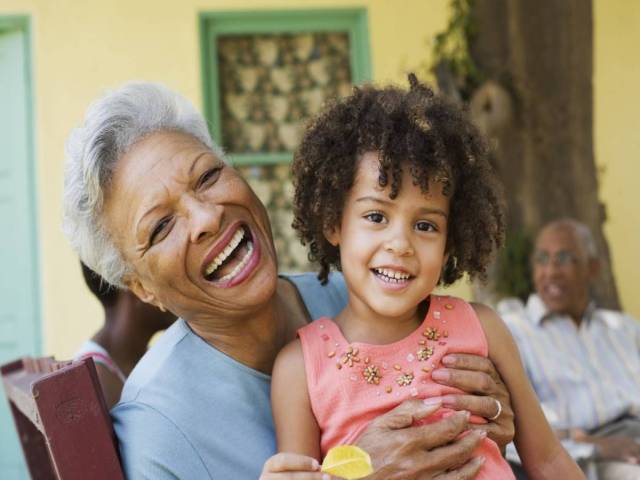
While the study initially found that any amount or type of caregiving was associated with better cognition at a given time point, a more granular analysis revealed a striking gender-specific nuance when examining cognitive decline over time. When considering the trajectory of cognitive health over the six-year study period, only grandmothers who provided care demonstrated protection against cognitive decline in comparison to other grandparents. Grandfathers, conversely, did not exhibit this same long-term protective effect.
Exploring the Nuances of Caregiving Roles
This "grandmother effect" raises intriguing questions about the qualitative differences in caregiving roles between genders. Chereches speculates that the disparity could stem from variations in how grandmothers and grandfathers typically engage in childcare. "Past research suggests that grandmothers often coordinate caregiving, making plans for how caregiving would look, while also performing more hands-on care—for example, cooking for the grandchild," she notes. Grandfathers, on the other hand, often adopt a more supportive and recreational role, which, while valuable, might not involve the same intensity or breadth of cognitive and physical demands as the multifaceted care provided by grandmothers.
The distinction might also lie in the perception and experience of caregiving. It is possible that grandfathers might sometimes view caregiving as more of an obligation rather than a freely chosen activity, or that it might interfere more significantly with other preferred leisure pursuits. When caregiving becomes a source of stress or burden, rather than fulfillment, its positive cognitive effects may be diminished or even negated. This highlights the importance of agency and enjoyment in caregiving – a task freely chosen and enjoyed is more likely to yield benefits than one undertaken out of duress. "What feels manageable and meaningful for one person may feel overwhelming for another," Chereches emphasizes, reinforcing the idea that the subjective experience of caregiving is paramount to its impact on well-being.
Mechanisms of Mind: How Grandparenting Nurtures Brain Health
The cognitive benefits of grandparenting are not attributable to a single factor but rather a synergy of psychological, social, and physical mechanisms. Understanding these pathways offers a clearer picture of how intergenerational engagement acts as a powerful neuroprotective agent.
A Multifaceted Approach to Brain Wellness
- Cognitive Stimulation: Caring for children, regardless of age, inherently involves a high degree of cognitive demand. Grandparents must engage in problem-solving (e.g., resolving conflicts, managing schedules), planning (e.g., organizing activities, meals), memory recall (e.g., remembering preferences, routines), and constant adaptation to new situations. These activities are akin to regular brain exercises, challenging neural pathways and promoting cognitive flexibility. The dynamic and often unpredictable nature of childcare ensures that the brain is consistently active and engaged.
- Physical Activity: While not always recognized as such, grandparenting can be surprisingly physically demanding. Playing with children, supervising outdoor activities, walking to school, or even simply bending and lifting can contribute to increased physical activity levels. Regular physical activity is a well-established factor in maintaining brain health, improving blood flow to the brain, and reducing the risk of cognitive decline.
- Social Connection and Reduced Isolation: Loneliness and social isolation are significant risk factors for cognitive decline and dementia in older adults. Grandparenting inherently fosters strong social connections, not only with grandchildren but also with adult children and potentially other parents or caregivers. These rich social interactions provide emotional support, a sense of belonging, and opportunities for meaningful communication, all of which are crucial for mental well-being and cognitive resilience.
- Sense of Purpose and Meaning: As individuals age, opportunities for traditional roles diminish, sometimes leading to a loss of purpose. Grandparenting offers a renewed sense of value and contribution. The feeling of being needed, of making a tangible difference in the lives of younger generations, provides a powerful psychological buffer against feelings of aimlessness or existential void. This sense of purpose is strongly correlated with longevity and better health outcomes, including cognitive health.
- Positive Emotional State: The joy, laughter, and unconditional love shared with grandchildren are powerful drivers of positive emotions. Research consistently links positive affect with better cognitive performance, enhanced memory, and greater resilience to stress. The emotional uplift derived from these interactions can reduce stress hormones and promote a more favorable neurochemical environment for brain health.
A Broader Context: Grandparenting in an Aging World
The findings of this study are particularly pertinent in the context of global demographic shifts. The world’s population is aging at an unprecedented rate, with significant increases in life expectancy across many regions. This demographic transformation means that more people are living longer, and thus, the role of grandparents in families and society is becoming increasingly prominent and prolonged.
The Evolving Role of Grandparents
Traditionally, grandparents often lived in multi-generational households and played an integral role in childcare out of necessity. While that model persists in many cultures, modern grandparenting in Western societies often involves a more flexible, supportive role, with grandparents stepping in to provide childcare, emotional support, and wisdom without necessarily cohabiting. This evolution of the grandparental role underscores the adaptability and enduring value of intergenerational bonds. As more women participate in the workforce, the demand for reliable and affordable childcare has grown, placing grandparents in an even more crucial position within the family structure. This societal trend inadvertently creates more opportunities for grandparents to engage in the very activities now linked to cognitive benefits.
Epidemiological data consistently show that cognitive decline and dementia, including Alzheimer’s disease, represent a growing public health challenge. The societal and economic costs associated with these conditions are enormous, driving a global search for effective preventive strategies. In this landscape, simple, accessible, and enjoyable activities like grandparenting emerge as a potentially powerful, non-pharmacological intervention.
Echoes from the Scientific Community: Expert Perspectives
The scientific community has largely welcomed studies that illuminate the multifaceted benefits of social engagement and purposeful activity in later life. While acknowledging the need for further research, experts in gerontology and neuroscience see these findings as reinforcing a growing consensus.
Reinforcing the Value of Social Engagement

Gerontologists would likely emphasize that the study adds robust evidence to the "use it or lose it" hypothesis regarding brain health. They might point out that the complex demands of childcare—from managing logistics to providing emotional regulation for a child—require a constant activation of various cognitive domains, effectively acting as a natural form of cognitive training. Furthermore, family sociologists would underscore the vital intergenerational exchange that occurs. Grandparents provide stability, wisdom, and a link to family history, while grandchildren bring novelty, energy, and a fresh perspective, creating a mutually beneficial relationship.
Neuroscientists would be keen to explore the underlying biological mechanisms. They might hypothesize that the positive emotional experiences, coupled with cognitive stimulation, could lead to increased neuroplasticity, the brain’s ability to form new neural connections and adapt. Reduced stress levels, improved sleep quality (if caregiving is not overly burdensome), and increased physical activity all contribute to a healthier brain environment, potentially influencing the production of neurotrophic factors that support neuronal survival and growth. Public health officials might consider these findings when developing healthy aging campaigns, advocating for policies that support intergenerational family structures and encourage active grandparent involvement, recognizing its dual benefit for both the older and younger generations.
Implications for Healthy Aging and Public Policy
The implications of this research extend beyond individual families, touching upon broader public health strategies and societal values. Understanding the cognitive benefits of grandparenting offers a unique opportunity to promote healthy aging in a holistic and culturally resonant manner.
Towards a More Intergenerational Future
For individuals, the study reinforces the notion that staying engaged and purposeful in later life is paramount for cognitive health. It provides a compelling, positive narrative around active aging, moving beyond merely avoiding illness to actively pursuing well-being. For those with grandchildren, it serves as an encouragement to embrace these relationships wholeheartedly.
From a public policy perspective, these findings could inform initiatives aimed at supporting older adults and strengthening family bonds. Policies that facilitate grandparent involvement, such as flexible work arrangements for adult children, access to intergenerational community programs, or even financial incentives for childcare support, could have far-reaching benefits. Recognizing the societal value of grandparents as informal caregivers and contributors to cognitive health could lead to greater investment in resources that support their well-being and engagement. This might include programs designed to educate grandparents on child development, offer respite care, or provide platforms for shared activities that benefit both generations.
However, it is crucial to temper enthusiasm with a nuanced understanding. As Chereches cautions, no grandparent should feel pressured or guilty if active childcare is not feasible or desirable for them. Caregiving is a complex endeavor, and individual circumstances vary widely. Some grandparents may live far from their grandchildren, others may have their own health challenges, and some may simply prefer to pursue other interests in their retirement. The key takeaway is not that grandparenting is the only path to cognitive health, but that it represents one powerful and enjoyable avenue.
The Path Forward: Choice, Meaning, and Well-being
The research unequivocally suggests a significant, hidden benefit for grandparents who choose to actively engage with their grandchildren: improved cognition and, for grandmothers, potential protection against long-term cognitive decline. This is comforting knowledge, providing an additional layer of reward to an already cherished family role. Beyond the cognitive advantages, active grandparenting inherently fosters greater social connection and often leads to increased physical activity – both independently validated contributors to overall well-being in older adults.
For grandparents who find joy and meaning in providing care, staying involved with grandchildren offers a deeply enriching and effective strategy for remaining active and vibrant in later life. It’s a testament to the power of intergenerational connections, where the act of nurturing another generation simultaneously nurtures one’s own cognitive vitality. The ripple effect extends throughout the family and into society, building stronger bonds and healthier communities.
Indeed, as the personal anecdote that opened this discussion suggests, the experience of grandparenting is transformative. The blend of profound love, renewed purpose, and active engagement creates a fertile ground for both emotional fulfillment and cognitive resilience. It appears that in the embrace of a grandchild, many grandparents may also find a vital embrace for their own minds.
Related posts: