Transforming Oncology Through Healing: Resveratrol and Copper Combination Shows Promise in Subduing Glioblastoma Aggression

For more than a century, the fundamental philosophy of oncology has been rooted in a "search and destroy" mission. From the earliest applications of radiation to the advent of cytotoxic chemotherapy and the modern precision of immunotherapy, the objective has remained largely the same: to inflict enough damage upon cancer cells to eliminate them from the body. However, a growing body of evidence suggests that this aggressive approach may inadvertently trigger biological responses that allow cancer to persist or return with greater virulence. At the Advanced Centre for Treatment, Research and Education in Cancer (ACTREC) in Mumbai, India, Professor Indraneel Mittra is spearheading a radical departure from this tradition. His research suggests that the path to long-term remission may not lie in the destruction of tumors, but in "healing" them—coaxing malignant cells into a less aggressive, more stable state through the use of low-cost, non-toxic nutraceuticals.
The Philosophical Shift: Cancer as a Non-Healing Wound
The conceptual framework for Professor Mittra’s work traces back to 1986, when Dr. Harold Dvorak published a seminal article in the New England Journal of Medicine titled "Tumors: Wounds that do not heal." Dvorak observed that the biological processes involved in tumor growth—such as angiogenesis (the formation of new blood vessels), inflammation, and the remodeling of the extracellular matrix—are remarkably similar to the body’s natural response to injury. In a healthy scenario, these processes conclude once the wound is closed. In cancer, however, the "healing" signal is never deactivated, leading to chronic inflammation and uncontrolled growth.
Professor Mittra’s hypothesis builds upon this by suggesting that if the factors preventing the "wound" from healing can be neutralized, the cancer might be subdued. This approach moves away from the 2,500-year-old paradigm of trying to kill cancer cells—a strategy Mittra notes has often failed to produce permanent cures for advanced solid tumors—and toward a rehabilitative model of medicine.
The Challenge of Glioblastoma Multiforme
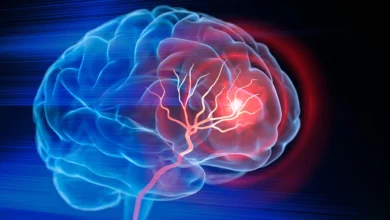
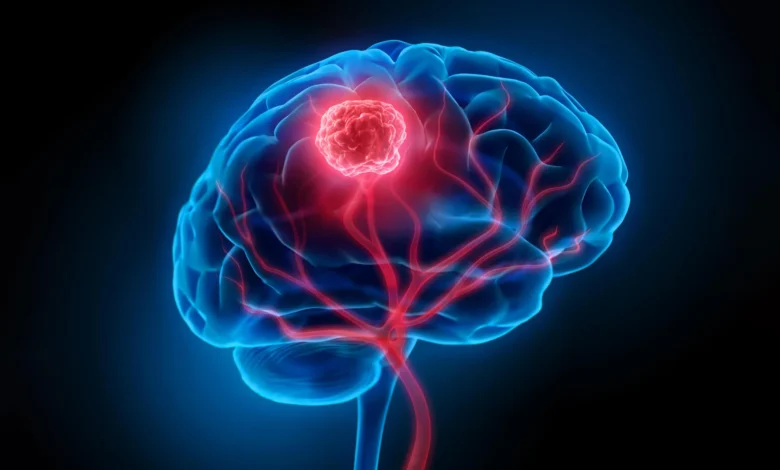
To test this "healing" strategy, Mittra’s team focused on glioblastoma multiforme (GBM), the most common and aggressive primary brain tumor in adults. GBM is notorious for its resistance to conventional therapies. The current standard of care, known as the Stupp Protocol, involves maximal surgical resection followed by a combination of radiation and the chemotherapy drug temozolomide. Despite these intensive interventions, the median survival rate for GBM patients remains approximately 15 to 18 months, with a five-year survival rate of less than 10%.
The difficulty in treating GBM arises from its highly invasive nature and the presence of the blood-brain barrier, which prevents many therapeutic agents from reaching the tumor. Furthermore, the aggressive "killing" of GBM cells through radiation and chemotherapy often leads to a surge in cellular debris, which Mittra believes fuels the progression of surviving cancer cells.
Study Design and Methodology
In a pilot study recently published in BJC Reports, Professor Mittra and his colleagues at the Tata Memorial Centre conducted a clinical trial involving 20 patients diagnosed with glioblastoma. The study was designed to observe the biological changes within the tumor environment following a short-term intervention with a specific nutraceutical combination.
The experimental group consisted of ten patients who were administered a tablet containing small, synergistic doses of resveratrol (a polyphenol found in red grapes) and copper (R-Cu). These patients took the R-Cu combination four times daily for an average of 11.6 days leading up to their scheduled brain surgeries. A second group of ten patients, with similar tumor profiles and demographics, served as the control group and did not receive the R-Cu tablets.
Following the surgical removal of the tumors, the researchers performed an exhaustive analysis of the tissue. They utilized advanced techniques, including:
- High-resolution microscopy and immune-staining: To visualize structural changes and protein expression.
- Immunofluorescence: To identify specific molecular markers within the cells.
- Transcriptome analysis: To map the entire set of RNA molecules in the tumor, providing a "snapshot" of gene activity.
The Role of Cell-Free Chromatin Particles (cfChPs)
The central discovery of Professor Mittra’s decades of research involves cell-free chromatin particles (cfChPs). When cells die—whether through natural turnover or because they are killed by chemotherapy—they release fragments of their DNA and proteins (chromatin) into the surrounding environment and the bloodstream.
Mittra’s previous laboratory studies demonstrated that these cfChPs are not merely inert debris. Instead, they can be internalised by healthy cells, where they integrate into the host genome, causing DNA damage and triggering inflammatory pathways. In the context of cancer, cfChPs released by dying cells act as "onco-inflammatory" agents. They enter surviving cancer cells, making them more aggressive, promoting metastasis, and driving the "wound that never heals" cycle.
The R-Cu tablet works by a specific chemical mechanism: when resveratrol and copper interact, they generate oxygen radicals. While high levels of oxygen radicals can be harmful, the localized production of these radicals in the presence of R-Cu serves to deactivate and destroy the cfChPs.
Key Findings: A Shift Toward Substantial Healing
The results of the glioblastoma study were striking. The analysis of the tumor tissue from patients who took the R-Cu tablets showed a near-total absence of cfChPs, whereas the tissue from the control group was saturated with these toxic particles. This suggested that the R-Cu treatment had effectively "cleansed" the tumor microenvironment.
Beyond the reduction of chromatin particles, the transcriptome and immune-staining analysis revealed several favorable biological shifts in the treated group:
- Reduction in Inflammation: Markers of chronic inflammation, which drive tumor progression, were significantly downregulated.
- Downregulation of Immune Checkpoints: The study found that R-Cu reduced the activity of several immune checkpoints. These are proteins that cancer cells use to "blind" the immune system. By lowering these levels, the R-Cu treatment potentially allows the body’s natural defenses to recognize and attack the tumor.
- Induction of Apoptosis: Unlike the messy, inflammatory cell death (necrosis) often caused by chemotherapy, the R-Cu group showed signs of increased apoptosis—a programmed, "clean" form of cell death that does not release harmful cfChPs.
- Absence of Toxicity: Crucially, the patients reported no side effects from the R-Cu tablets, a sharp contrast to the debilitating effects of standard glioblastoma treatments.
"These results suggest that a simple, inexpensive and non-toxic nutraceutical tablet potentially has the power to heal glioblastoma," Professor Mittra stated. He explained that by eliminating the inflammatory stimulus of the cfChPs, the cancer is "subdued" rather than provoked.
Chronology of Discovery and Research Evolution
The glioblastoma study is the culmination of over 20 years of research by Professor Mittra and his team at ACTREC.
- Early 2000s: Mittra begins investigating the role of circulating DNA fragments in aging and chronic diseases.
- 2010-2015: Laboratory experiments confirm that cfChPs can induce genomic instability in healthy cells, potentially initiating cancer.
- 2017-2020: Studies in animal models show that neutralizing cfChPs with R-Cu can reduce the side effects of chemotherapy and inhibit the spread of cancer (metastasis).
- 2021-2023: The team moves into human clinical trials, testing the R-Cu combination in various cancers, including sepsis and now glioblastoma.
This timeline illustrates a methodical progression from basic biological theory to clinical application, supported by the Department of Atomic Energy, Government of India.
Economic and Global Health Implications
One of the most significant aspects of this research is the potential for a low-cost alternative to expensive modern therapies. Current immune checkpoint inhibitors, such as Pembrolizumab (Keytruda) or Nivolumab (Opdivo), can cost tens of thousands of dollars per course of treatment, making them inaccessible to the vast majority of the global population.
In contrast, resveratrol and copper are widely available and extremely inexpensive to produce. If larger trials confirm that R-Cu can achieve even a fraction of the efficacy of high-end immunotherapies by downregulating similar pathways, it could revolutionize cancer care in low- and middle-income countries. It represents a "democratization" of cancer treatment, moving away from high-tech, high-cost interventions toward accessible, nutraceutical-based strategies.
Analysis and Future Outlook
While the results of the Mumbai study are promising, the researchers acknowledge the limitations of their current data. The sample size of 20 patients is small, and the duration of the R-Cu administration was less than two weeks. The study focused on biological markers within the tumor rather than long-term survival rates.
However, the "striking" nature of the biological shifts observed provides a strong mandate for larger, Phase II and Phase III clinical trials. If long-term use of R-Cu can maintain the "subdued" state of the tumor, it could potentially transform cancer from a terminal diagnosis into a manageable chronic condition, or as Mittra suggests, eventually lead to the complete "healing" of the malignancy.
The work of Professor Mittra challenges the "war on cancer" metaphor that has dominated the medical field for decades. By viewing the tumor not as an invader to be annihilated, but as a dysfunctional part of the body that needs to be calmed and repaired, this research opens a new frontier in oncology. As the medical community increasingly recognizes the importance of the tumor microenvironment and the role of inflammation, the "healing" approach may soon move from a provocative idea to a cornerstone of modern cancer therapy.