Netflix Lineup of 2026 Romantic Comedy K-Dramas Set to Captivate Global Audiences


The global phenomenon of Korean dramas continues to expand exponentially, solidifying its dominant position in international entertainment markets through diversified storytelling and high production values. As streaming platforms increasingly tailor their content libraries to meet shifting demographic demands, romantic comedies—affectionately known as K-romcoms—remain a foundational pillar for audience engagement. For the 2026 calendar year, Netflix has curated an ambitious slate of romantic comedy series designed to balance lighthearted humor with emotionally resonant narratives, capturing the attention of both long-term enthusiasts and casual viewers worldwide.

Industry analysts note that the enduring appeal of the romantic comedy genre stems from its ability to offer escapism while maintaining relatable character arcs. In 2026, streaming metrics indicate a significant surge in viewership for series that incorporate high-concept premises, such as supernatural elements, technological integration, and high-stakes professional environments. This strategic programming direction has elevated several upcoming titles to top-ranking positions on global charts even prior to their complete season rollouts, driven by intense anticipation surrounding star-studded ensemble casts and renowned screenwriters.
High-Concept Premises and Contemporary Narrative Trends
The 2026 Netflix rom-com catalog is characterized by a departure from conventional workplace tropes, favoring narratives infused with fantasy, speculative science fiction, and complex identity dynamics. Creators are increasingly utilizing unconventional settings—ranging from virtual reality simulations and historical body-swapping phenomena to supernatural investigative partnerships—to test the emotional boundaries of their protagonists.
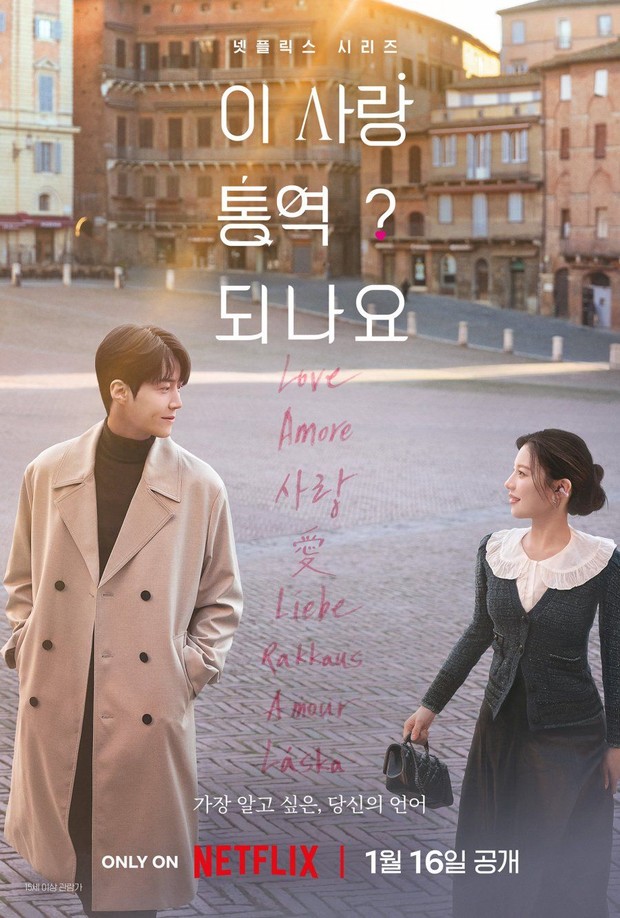
Among the flagship titles generating considerable industry buzz is Can This Love Be Translated?, starring Kim Seon Ho and Go Youn Jung. The series explores the intricate dynamics between a multilingual professional translator, Ju Ho Jin, and an internationally acclaimed actress, Cha Mu Hui. The narrative pivots on the delicate balance of public relations versus genuine emotional expression, utilizing translation as a metaphor for the universal struggles of human communication. Industry observers suggest that this series reflects a broader trend of writers exploring the psychological pressures of fame within contemporary entertainment ecosystems.
Another prominent title, Take Charge of My Heart, introduces a physiological anomaly that serves as the catalyst for its central romance. Featuring Kim Young Kwang as a corporate heir harboring dark secrets and Chae Soo Bin as a webtoon writer with a unique electrical condition, the series blends corporate intrigue with magical realism. Such premises highlight the industry’s ongoing experimentation with speculative romance, a subgenre that consistently yields high engagement metrics across international streaming territories.

Supernatural Elements and Mythological Adaptations
The integration of Korean folklore and supernatural phenomena remains a powerful narrative driver within the 2026 release schedule. Series such as No Tail to Tell and Spooky in Love demonstrate how traditional mythology can be modernized to fit contemporary comedic frameworks.
No Tail to Tell stars Kim Hye Yoon as a centuries-old gumiho (mythological nine-tailed fox) whose immortality is abruptly disrupted, transforming her into an ordinary human following an encounter with a narcissistic yet benevolent professional soccer player, portrayed by Lomon. The series uses the clash between ancient mythology and modern athletic culture to examine themes of vulnerability and personal transformation.
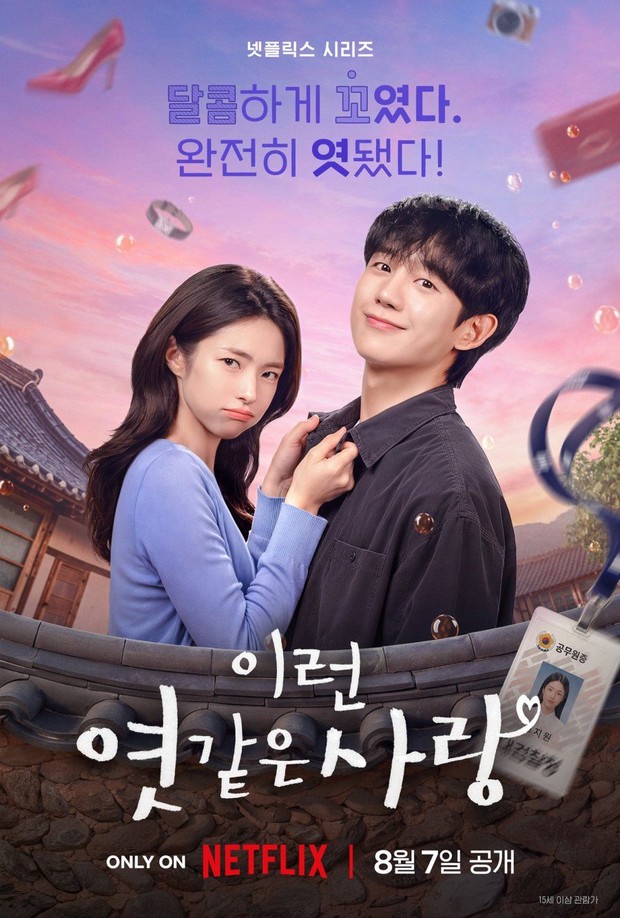
Similarly, Spooky in Love merges the procedural elements of the legal and hospitality sectors with supernatural elements, featuring a corporate heiress capable of seeing ghosts and a meticulous public prosecutor. By anchoring supernatural concepts within grounded, high-pressure professional environments, these productions appeal to audiences seeking a balance between suspenseful mystery and lighthearted romantic tension.
Industry Implications and the Global Streaming Economy
The substantial financial investment by major streaming platforms into Korean content reflects a mature, highly calculated market strategy. According to economic analyses of the entertainment sector, the export value of Korean cultural content continues to yield high return on investment, driven by dedicated fan bases across Asia, the Americas, and Europe.
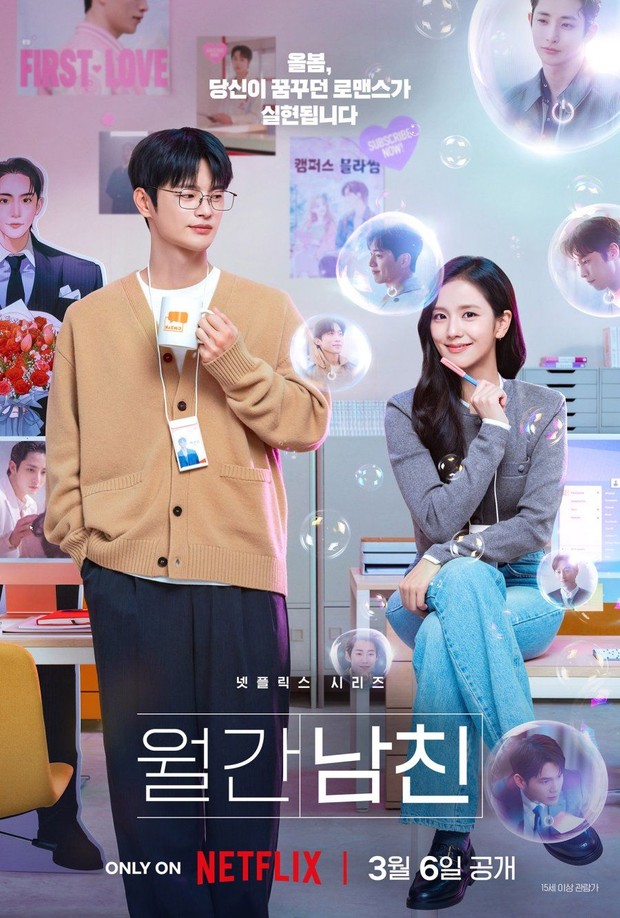
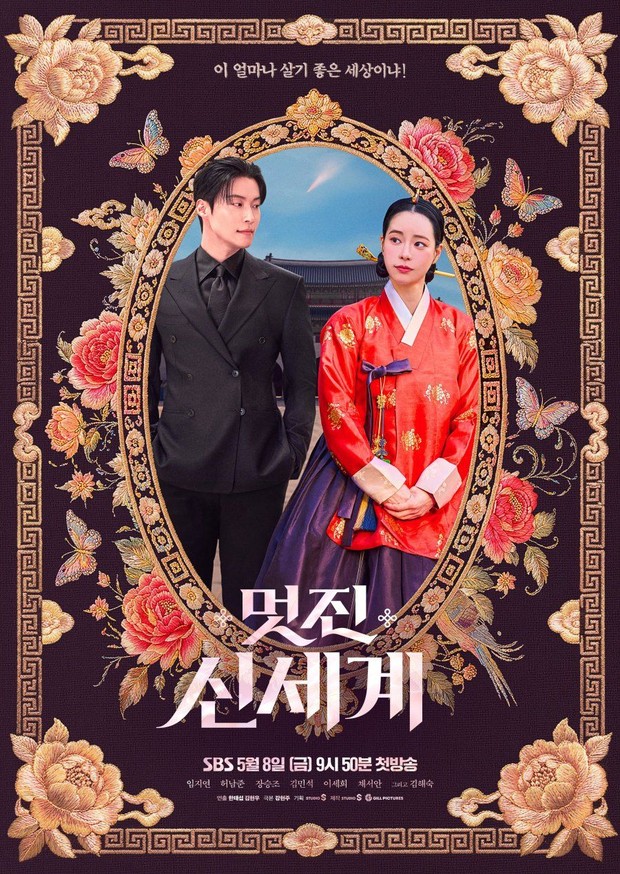
Production houses operating within South Korea have adapted to the stringent quality demands of global distributors by adopting cinematic production techniques, securing A-list talent, and refining localization processes. The inclusion of high-profile actors—such as Jung Hae In in Our Sticky Love, Seo In Guk in Boyfriend on Demand, and Im Ji Yeon in My Royal Nemesis—underscores the competitive nature of casting within the current television landscape. Talent agencies report that multi-platform distribution deals have significantly elevated the global profile of Korean actors, leading to increased international promotional tours and cross-cultural collaborations.
Furthermore, the economic impact extends beyond the immediate streaming figures. Successful K-dramas consistently drive secondary market revenue through original soundtrack (OST) sales, fashion merchandising, and tourism localization. Cities and businesses featured prominently in these series frequently experience measurable increases in visitor traffic once the programs air globally, demonstrating the multifaceted utility of entertainment as an instrument of soft power and economic stimulation.
Future Outlook for the Rom-Com Genre
As the entertainment industry progresses through the latter half of the decade, creators face the ongoing challenge of innovating within a historically formulaic genre. The 2026 Netflix lineup suggests that future success relies on subverting expectations, introducing complex psychological underpinnings to comedic characters, and maintaining high production standards.
Audiences are showing a clear preference for narratives that respect their intelligence, featuring protagonists who navigate professional autonomy and emotional maturity alongside their romantic pursuits. By continuing to bridge the gap between traditional storytelling conventions and contemporary genre-blending, the Korean drama industry maintains its position at the forefront of global television production. The forthcoming releases scheduled throughout the year will serve as an important benchmark for measuring the sustained international appetite for high-concept romantic comedies.