The Biological Case for Male Cooperation: Debunking the Myth of the Alpha Male

Across the Western world, young men and boys face a rapidly shifting economic landscape characterized by the decline of traditional manual labor and industrial roles that historically provided a sense of purpose and social stability. As factory floors shutter and the gig economy replaces long-term employment, a significant portion of younger generations reports feeling increasingly isolated, economically marginalized, and forgotten. This socioeconomic vacuum has created a fertile environment for a modern digital ecosystem of influencers who capitalize on this discontent by promoting a distorted interpretation of evolutionary biology. These voices frequently utilize social media platforms to push a narrative that defines manhood through dominance, suspicion of others, and a rejection of vulnerability, often employing slogans that urge men to "reclaim" their masculinity from what they describe as a "feminizing" society.
However, a robust body of contemporary research into primatology and evolutionary biology suggests that this "alpha male" construct is fundamentally at odds with the natural history of our closest living relatives. By examining the social structures of chimpanzees and other primates, scientists are uncovering evidence that suggests long-term success and survival in the animal kingdom are driven not by unbridled aggression, but by complex networks of cooperation, altruism, and the strategic use of physical intimacy to build social capital.
The Evolution of Social Hierarchies
The term "alpha male" gained significant cultural traction in the mid-20th century, largely derived from studies of captive wolves held in confined, artificial environments. In these settings, forced proximity and limited resources triggered intense, often despotic competition. However, L. David Mech, the biologist who pioneered the study of wolf packs, has spent decades advocating for the retirement of the term, noting that natural wolf packs are, in fact, cohesive family units.
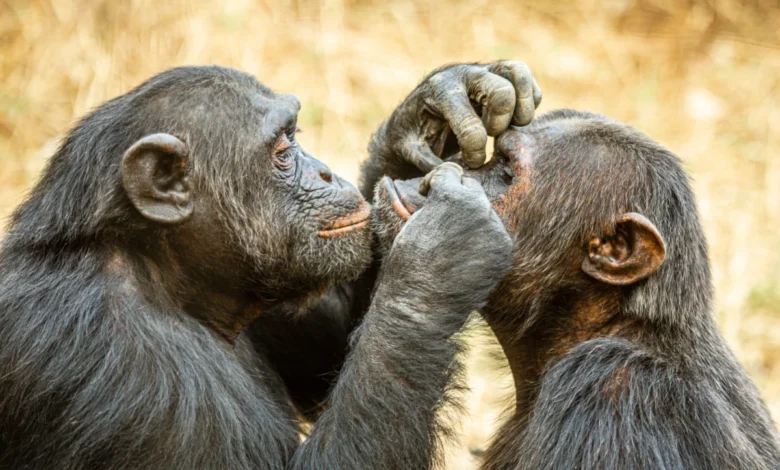
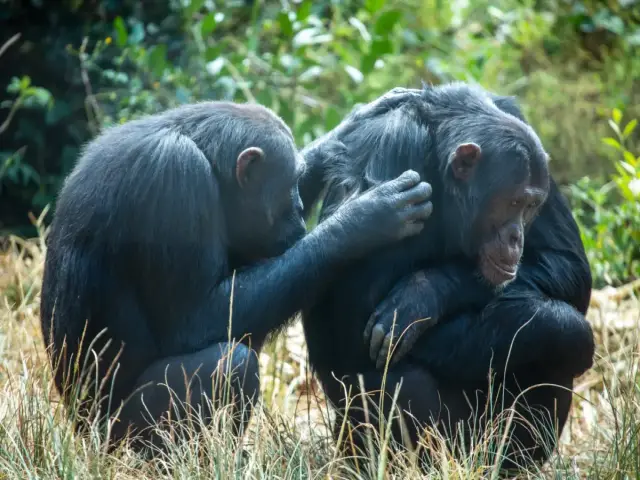
When researchers transitioned to observing primates in the wild—specifically chimpanzees—the narrative of the brutal, solitary dictator began to crumble. Longitudinal data from the Gombe Stream Research Center and other field sites indicate that high-ranking males who maintain their positions for the longest durations are not necessarily those who are the most violent, but those who are the most skilled at political maneuvering and alliance-building. These leaders invest heavily in "grooming" behaviors, spending hours reinforcing bonds with subordinates. Rather than demanding submission through constant force, these males rely on networks of allies to stabilize their standing, proving that social hierarchy is a mechanism for group cohesion rather than individual dominance.
Chronology of Scientific Understanding
The shift in our understanding of primate social structures has occurred over several distinct phases of research:
- 1940s–1960s: Early studies in captive settings popularized the "alpha" model, characterizing male hierarchy as a static, violent struggle for dominance.
- 1970s–1990s: Field research by primatologists began to reveal that wild chimpanzee groups operate with high degrees of fluidity. It was observed that males engage in frequent, non-aggressive tactile behaviors, such as kissing and embracing, to resolve tension before it escalates into conflict.
- 2000s–Present: Quantitative studies, such as those conducted by Anna Preis at Taï National Park, have utilized physiological markers like urinary cortisol to measure stress. These studies confirmed that aggression is often a sign of instability; when group cohesion is high, overt physical fighting is minimized to protect the group’s collective territory.
The Role of Physical Intimacy and Consolation
One of the most compelling findings in modern primatology is the sophisticated use of touch to mitigate conflict. Research at the Chimfunshi Wildlife Orphanage Trust in Zambia has documented how male chimpanzees utilize physical reassurance—including embracing, touching, and genital contact—to navigate periods of extreme stress.
In one notable observation, an alpha male named Doug, who had been ambushed by rivals, was not met with further aggression by the group, but with a collective outpouring of comfort. This behavior, known as "consolation," suggests that chimpanzee societies possess an innate mechanism to restore harmony after a crisis. Furthermore, data collected from feeding experiments showed that males who engaged in reassuring tactile contact before a feeding task were significantly more likely to share resources peacefully. These behaviors, while inherently risky due to the proximity to sensitive areas and the potential for misinterpretation, serve as a "high-stakes" signal of trust. By exposing themselves to potential harm, these males communicate a commitment to the relationship that a simple show of force could never convey.
Data-Driven Implications for Human Well-Being
The implications of these findings extend into human social performance, particularly in environments requiring high levels of teamwork. A comprehensive study of all 30 NBA teams during the 2008–2009 season provided empirical evidence that physical contact among teammates—such as high-fives, chest bumps, and hugs—was a reliable predictor of subsequent success. Teams that engaged in more frequent tactile cooperation outperformed their peers, even when controlling for individual player salaries and talent levels.

This phenomenon is not limited to sports. Research published in the journal Science in 2024, involving 100,000 participants across 125 countries, highlighted a significant "cooperation gap." While 69% of individuals surveyed indicated a personal willingness to cooperate with a stranger, most participants incorrectly guessed that others were far less likely to do the same. This pervasive cynicism acts as a barrier to collective action. When researchers corrected this misconception by informing participants of the actual high rates of human cooperation, individuals became more likely to act in ways that favored the group.
The Myth of the "Natural" Aggressor
The "manosphere" narrative frequently relies on the fallacy that human violence is "primal" or "natural," while altruism is a fragile, civilized construct. However, the evidence from the animal kingdom directly contradicts this. Species that rely on cooperation for survival, such as chimpanzees, demonstrate that aggression is often a liability. When humans label violence as "animalistic," they ignore the complex, reality-based evidence of how animals actually manage their societies.
The biological reality is that we are a species hardwired for connection. The drive to dominate is not an inevitable biological mandate; it is a behavioral choice influenced by environmental stressors and social norms. The "alpha" model peddled by digital influencers ignores the reality that strong, stable, and fair leadership in the animal world is inextricably linked to the ability to provide resources, maintain bonds, and foster a sense of security for all members of the community.

Practical Steps for Re-engaging Social Bonds
For those seeking to move beyond the limiting narratives of the "alpha" construct, the lessons from primatology suggest several actionable strategies:
- Prioritize Proximity: In primate societies, the simple act of existing in the same space as an ally is a fundamental form of social maintenance. For humans, this translates to the value of shared activity, such as team sports or collaborative projects, where the focus is on a shared goal rather than direct, eye-to-eye interrogation.
- Proactive Reconciliation: Cooperation is most effective when it is established before a conflict occurs. Waiting for a crisis to repair a relationship is inefficient; building social capital through consistent, supportive interaction makes the group more resilient to inevitable stressors.
- Initiating Connection: Given the "cooperation gap" documented in global studies, the most significant barrier to male friendship is often the mutual fear of rejection. Research indicates that the majority of individuals desire greater social support but are waiting for an invitation to connect.
In conclusion, the scientific record confirms that human well-being, like that of our closest primate cousins, is enhanced by a broader base of emotional and social support. By discarding the inaccurate, high-stress models of dominance-based masculinity and embracing the natural, prosocial behaviors that have sustained primates for millions of years, modern men can build more resilient, successful, and fulfilling lives. The evidence is clear: cooperation is not a concession of strength, but the ultimate expression of it.
Related posts: