Many people with IBS would trade 10 to 15 years of life expectancy for an instant cure for their condition.


This stark finding, derived from a study involving nearly 2,000 individuals afflicted with Irritable Bowel Syndrome (IBS), underscores the profound and debilitating impact of this chronic gastrointestinal disorder. Further research reinforces this desperation, revealing that some IBS sufferers would even accept a medicine carrying a one percent risk of sudden death if it promised to alleviate their relentless symptoms. These symptoms, which can include urgent bouts of diarrhea, persistent constipation, excessive gas, and severe abdominal pain, often dictate the lives of those affected, pushing them to extreme measures for relief.
The Pervasive Burden of IBS
IBS is not merely a digestive inconvenience; for many, it is a life-altering condition. Accounts from patients describe abdominal pain so intense it surpasses the discomfort of childbirth. These acute flare-ups can critically impair concentration, disrupt sleep patterns, and severely diminish work productivity, leading to significant personal and professional challenges. The unpredictability of symptoms forces many individuals to meticulously plan their daily routines around access to clean, private bathrooms. This constant apprehension of sudden flare-ups often leads to social withdrawal, with sufferers avoiding restaurants, social gatherings, and even public exercise, isolating them from typical life activities.
This pervasive anxiety associated with digestive issues has been formally recognized as gastrointestinal-specific anxiety. This condition profoundly impacts every facet of life, from social relationships to overall psychological well-being. It is a primary driver behind the reported lower quality of life among IBS patients compared to individuals managing other severe chronic conditions such as heart disease, diabetes, and even end-stage kidney disease. The daily struggle and the mental toll are immense, making the search for effective management strategies critically important.
A Shifting Medical Understanding of IBS
Often colloquially referred to as "spastic colon," IBS stands as the most commonly diagnosed digestive disorder globally, affecting an estimated 14 percent of adults. Historically, the absence of visible physical damage to the gut in diagnostic imaging led many healthcare professionals to erroneously conclude that IBS was purely psychological. Unlike inflammatory bowel diseases (IBD) such as Crohn’s disease or ulcerative colitis, IBS does not involve structural changes, inflammation, or damage to the bowel wall. This lack of observable pathology often left patients feeling invalidated and misunderstood.
However, modern medical understanding has evolved significantly. Experts now categorize IBS as a functional neuro-gastrointestinal disorder. This updated perspective acknowledges that while the gut’s physical structure remains intact, the complex communication pathways between the gastrointestinal tract and the brain are dysfunctional. This impaired gut-brain axis can lead to the brain misinterpreting normal digestive signals as pain and disrupt typical bowel motility, manifesting in the diverse range of IBS symptoms. This paradigm shift has opened new avenues for research and treatment, focusing on the nervous system’s role in gut function.
Diverse Symptoms and Diagnostic Challenges

The capricious nature of IBS symptoms presents a significant diagnostic challenge. Symptoms can fluctuate wildly, with periods of remission lasting months or even years, abruptly interrupted by severe flare-ups that can persist for hours to weeks. Furthermore, the manifestation of IBS varies widely among individuals, meaning no two patients experience the exact same set of symptoms. This heterogeneity contributes to diagnostic delays and frustration for patients seeking clarity. Common symptoms include abdominal pain and cramping, stool irregularities (ranging from chronic constipation to recurrent diarrhea, or an alternating pattern of both), excessive gas and bloating, mucus in stools, and a sensation of incomplete bowel movements.
Elucidating the Causes of IBS
While the precise etiology of IBS remains an active area of research, several leading hypotheses shed light on why the gut functions atypifically in affected individuals. One prominent theory posits that the nerve endings within the gastrointestinal tract of IBS patients are hypersensitive. This heightened sensitivity can lead to two primary symptom patterns:
- Hypersensitive nerve communication: The gut’s nerves may transmit amplified pain signals to the brain, causing individuals with IBS to perceive normal digestive processes—such as the movement of tiny gas bubbles—as intensely uncomfortable, whereas someone without the disorder would not notice them.
- Overreactive or underreactive GI muscles: These same overreactive nerves can trigger the gastrointestinal muscles to contract with excessive force, resulting in symptoms like gas, bloating, and diarrhea. Conversely, if these nerves underreact, muscle contractions may be insufficient, slowing the passage of food through the intestines and leading to constipation.
Another compelling theory implicates disturbances in the gut microbiome, the complex community of microorganisms residing in the digestive tract. This hypothesis helps explain why some individuals develop IBS symptoms following a severe gastrointestinal infection, such as Norovirus or bacterial gastroenteritis, suggesting a post-infectious IBS subtype where the microbiome balance is disrupted. Research continues to explore the intricate interplay between gut bacteria, immune responses, and nerve signaling in the development and perpetuation of IBS.
The Diagnostic Process: A Crucial First Step
Given the symptom overlap with numerous other gastrointestinal and systemic conditions, obtaining an accurate diagnosis from a credentialed health professional is paramount. Conditions such as infections, inflammatory bowel diseases, celiac disease, certain cancers, and food allergies can mimic IBS symptoms and require distinct medical interventions, including medication, surgery, or medically supervised lifestyle changes. It is particularly critical to seek medical attention if a client experiences alarming symptoms such as unexplained weight loss, rectal bleeding, iron deficiency anemia, or persistent vomiting.
During the diagnostic process, healthcare professionals will conduct a thorough medical history, physical examination, and potentially order tests to rule out other conditions. They will also inquire in detail about the patient’s symptoms to classify the specific type of IBS:
- IBS with predominant constipation (IBS-C): Characterized by hard, lumpy stools.
- IBS with predominant diarrhea (IBS-D): Characterized by loose, watery stools.
- IBS with mixed bowel habits (IBS-M): An alternating pattern of both constipation and diarrhea.
- IBS unclassified (IBS-U): For those who don’t fit neatly into the other categories.
This classification guides the healthcare provider in recommending tailored treatments. For instance, IBS-D might be managed with antidiarrheal medications or a short course of antibiotics, while IBS-C might benefit from fiber supplements, non-habit-forming laxatives, or medications designed to regulate bowel movements and reduce pain perception.
To optimize the medical consultation, patients are encouraged to prepare a detailed account of their symptoms, including their onset, frequency, severity, and any perceived triggers. Keeping a "poo diary" for a couple of weeks prior to the appointment can be invaluable. This diary should track bowel movement frequency, consistency (using the Bristol Stool Chart), and other associated symptoms, providing objective data to aid in diagnosis and subtyping.

Holistic Strategies for Managing IBS
Recent years have seen advancements in IBS management, including the approval of new prescription medicines by regulatory bodies like the U.S. Food and Drug Administration, and even medical devices that stimulate cranial nerves. Beyond pharmacological interventions, extensive research highlights the efficacy of various lifestyle habits in mitigating IBS symptoms. Here are five evidence-based strategies that can significantly improve bowel health and function, often with broader benefits for overall well-being:
-
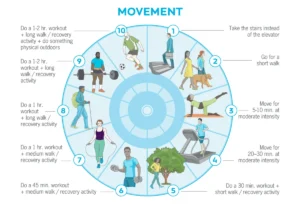
Embrace Regular Exercise: Physical activity is a powerful tool in managing IBS. Individuals who engage in regular exercise consistently report fewer symptoms and flare-ups. A study where IBS patients walked moderately for an hour three times a week demonstrated significant relief from bloating and abdominal pain within 12 weeks. While the exact mechanisms are still being elucidated, exercise is thought to reduce stress, improve mental health (thereby enhancing gut-brain communication), and foster a healthier gut microbiome, which aids in efficient food breakdown and reduced inflammation.
-
Cultivate Stress Management Techniques: The profound link between stress and IBS is well-established. Anxiety, stress, and depression trigger the release of stress hormones like norepinephrine and cortisol, which can heighten pain perception, alter gut motility, and increase gut permeability. Since stress cannot simply be switched off, effective management involves focusing on controllable aspects: practicing self-compassion, and experimenting with nervous system regulators such as yoga, deep breathing exercises, and gentle walking. By shifting focus from uncontrollable external stressors to internal responses, individuals can cultivate a calmer disposition, which positively impacts gut health.
-
Prioritize Mindful and Slower Eating: The pace and environment of eating significantly influence digestion. Slower, more relaxed eating not only aids in satiety but also reduces or eliminates common gastrointestinal complaints such as acid reflux, bloating, and pain. Increased chewing mechanically breaks down food and allows oral digestive enzymes to begin the process, reducing the workload on the stomach and intestines. Furthermore, eating in a calm setting lowers stress hormone levels, making it less likely that they will intensify GI pain signals. This practice is particularly beneficial for individuals whose eating habits are often rushed or distracted.
-
Address Sleep Disturbances: Sleep quality is intrinsically linked to IBS symptom severity. Research indicates that IBS patients often experience more shallow, less restorative, and frequently interrupted sleep. Despite often sleeping more hours overall, they report feeling less rested. This fatigue creates a vicious cycle: poor sleep elevates stress hormone levels, exacerbating gut pain. Unrested individuals also tend to experience increased hunger and cravings for fatty and sweet foods, which are more likely to trigger IBS symptoms, often consumed too quickly. Breaking this cycle is challenging but achievable through consistent exercise, stress management, and adjusting meal timing (e.g., smaller, earlier dinners) and incorporating relaxing pre-bedtime routines.
-
Strategically Investigate Dietary Triggers: While no universal "IBS diet" exists, certain food categories are more likely to cause issues for many sufferers. These include:
- FODMAPs (Fermentable Oligosaccharides, Disaccharides, Monosaccharides, and Polyols): These are poorly absorbed carbohydrates that ferment in the gut, producing gas and attracting water, leading to intense pain in sensitive individuals. High-FODMAP foods include wheat, rye, barley, onions, garlic, beans, dairy, honey, cashews, and certain fruits and vegetables.
- Caffeinated beverages: Especially coffee, which can stimulate stress hormones, increase stomach acid production, enhance colon contractions, and irritate the intestinal lining.
- Alcohol and spicy foods: Known irritants to the gut lining.
- High fructose corn syrup and sugar alcohols (e.g., sorbitol, mannitol): Linked to gas, bloating, and diarrhea.
- Fatty, greasy foods: Can slow digestion and attract water, contributing to loose stools, bloating, and gas.
It is crucial to recognize that individual triggers vary widely. An elimination diet, conducted systematically, can help identify specific problematic foods and beverages, as well as the quantities that can be safely tolerated. This personalized approach is essential for long-term dietary management.
The Role of Health Coaching and Scope of Practice

For individuals navigating the complexities of IBS, professional guidance is invaluable. Health coaches, particularly those with specialized training in digestive health like PN Super Coach Sarah Maughan, play a vital role in empowering clients to implement lifestyle changes. Maughan, certified through Monash University (a leader in understanding food sensitivities and IBS), emphasizes that coaching clients with IBS falls within a coach’s wheelhouse, provided certain professional boundaries are respected.
Health coaches can encourage clients with digestive issues to seek a definitive diagnosis from a healthcare professional, share information about potential lifestyle changes including elimination diets, and help clients conduct self-experiments to understand their body’s responses. They can also offer support in adopting and maintaining medically recommended lifestyle changes, providing optional recipes and tools. However, coaches must never diagnose conditions, prescribe diets as cures, contradict medical advice, or create prescriptive meal plans. Their role is to support, educate, and empower, always encouraging a multidisciplinary approach that includes medical oversight.
Elimination Diets: A Scientific Approach to Identification
Elimination diets are systematic "science experiments" designed to identify problematic foods. They involve temporarily removing certain foods (typically for about three weeks) and then gradually reintroducing them one at a time while monitoring for symptom reactions. Various versions exist, ranging in restrictiveness:
- Elimination Diet "Lite": Ideal for those who have a strong suspicion about their trigger foods. It involves eliminating up to four specific foods for several weeks, then reintroducing them individually.
- Precision Nutrition Elimination Diet (Medium): A more comprehensive plan developed by Precision Nutrition and vetted by registered dietitians. It removes many common problematic foods while ensuring a balanced intake of vegetables, fruits, starches, legumes, nuts, seeds, and meats.
- The FODMAP Diet: A highly specialized medical nutrition therapy developed by Monash University researchers. This diet is complex, and its non-intuitive list of problematic foods and intricate reintroduction phase necessitate guidance from a FODMAP-certified practitioner or the use of specialized apps.
The power of an elimination diet lies in the knowledge it provides. Even if a beloved food is identified as a trigger, individuals gain the choice to either continue consuming it, accepting the potential consequences, or avoid it when symptom-free living is paramount. This newfound control empowers individuals to make informed decisions about their diet and lifestyle.
The Broader Implications and Future Outlook
The profound impact of IBS extends beyond individual suffering, presenting significant public health and economic challenges. The condition contributes to substantial healthcare costs, including frequent doctor visits, diagnostic tests, and medication expenses, alongside indirect costs related to lost productivity and absenteeism. The high prevalence of IBS globally underscores the urgent need for continued research into its causes, more accurate diagnostic markers, and innovative, personalized treatment approaches.
The shift in medical understanding from a purely psychological ailment to a functional neuro-gastrointestinal disorder represents a crucial step forward. This recognition validates the patient experience and directs research towards the complex interplay of genetics, gut microbiome, immune function, and the gut-brain axis. Future advancements are likely to involve more targeted therapies, including precision probiotics, personalized dietary interventions based on genetic or microbiome profiles, and advanced neuromodulation techniques.
Ultimately, effective management of IBS requires a collaborative and multidisciplinary approach, integrating medical expertise with lifestyle interventions. Health coaching, as demonstrated by professionals like Sarah Maughan, provides an essential bridge between scientific knowledge and practical, sustainable habit change. By empowering individuals with knowledge and tools, while respecting professional boundaries, coaches contribute significantly to improving the quality of life for those living with IBS, enabling them to reclaim agency over their health and live the lives they desire. The journey to managing IBS is often long and challenging, but with evolving understanding, integrated care, and personalized strategies, the outlook for millions worldwide is steadily improving.