A recent resurgence of social media discourse has reignited a seemingly mundane yet deeply ingrained debate across Indonesia and beyond: whether disposable sanitary pads should be washed before disposal. This practice, often driven by cultural norms rather than scientific consensus, stands in contrast to international health recommendations and carries significant environmental implications. While a segment of the population diligently rinses used pads, believing it to be more polite or hygienic, another opts for immediate, wrapped disposal. The World Health Organization (WHO) provides clear guidance, asserting that for disposable products, pre-disposal washing is entirely unnecessary.
WHO Guidelines and the Science of Disposal
According to the World Health Organization’s comprehensive guidelines on menstrual health, the proper management of menstrual products hinges on their design and intended use. For single-use or disposable sanitary pads, the primary recommendation is straightforward: after use, the pad should be wrapped securely to contain menstrual blood and prevent contamination, then disposed of in a designated waste bin. The emphasis is on safe containment and responsible waste management, not on pre-washing. This approach aims to minimize public health risks associated with improper waste handling and to ensure sanitation workers are not exposed to biohazardous waste unnecessarily. The WHO’s stance is rooted in public health principles that prioritize effective waste stream management and resource conservation, particularly water.
Conversely, products designed for repeated use, such as reusable cloth pads or menstrual cups, necessitate a different protocol. These items require thorough cleaning with soap and water, followed by complete drying, before they can be safely stored and reused. The distinction is crucial and reflects the inherent design and material differences between disposable and reusable menstrual hygiene products. Disposable pads are engineered for absorption and single-use containment, often incorporating synthetic materials and super-absorbent polymers that are not designed for repeated washing. Washing these materials can even compromise their structural integrity, potentially releasing microplastics into wastewater.
The Enduring Cultural Practice in Indonesia
Despite the clear international health guidelines, the practice of washing disposable sanitary pads before disposal remains remarkably prevalent in Indonesia. A study titled "A Study on Menstrual Hygiene Management in West Java, Indonesia" highlighted this widespread custom, revealing that a substantial majority of respondents routinely wash their disposable pads. The research indicated that this behavior is rarely motivated by health or medical concerns. Instead, it is deeply interwoven with cultural norms, inherited family traditions, and a pervasive sense of modesty or embarrassment regarding the visibility of menstrual blood.
Anthropological perspectives often link such practices to historical taboos surrounding menstruation, where menstrual blood has been viewed with a mixture of awe, fear, and impurity across various cultures. In some traditional beliefs, exposed menstrual blood is associated with vulnerability to negative spiritual influences or "black magic," thus necessitating its thorough cleansing before disposal to prevent harm. While these beliefs may not be consciously articulated by every individual, the underlying cultural imperative to conceal and purify menstruation persists, translating into practices like pre-washing. The societal pressure to maintain discretion around menstruation, particularly in conservative communities, often reinforces these habits, making it challenging for individuals to deviate even when presented with scientific alternatives.
Water Consumption and Environmental Implications
The seemingly innocuous act of washing a single pad accumulates into a significant environmental burden when scaled across a population. The West Java study revealed that respondents typically use between 3 to 5 liters of water for each disposable pad they wash. Considering that an average menstruating individual uses approximately 4-6 pads per day during their cycle, and a typical cycle lasts 5-7 days, this translates to a substantial amount of water. For instance, a person using 5 pads a day for 5 days would consume an additional 75 to 125 liters of water per cycle solely for this purpose.
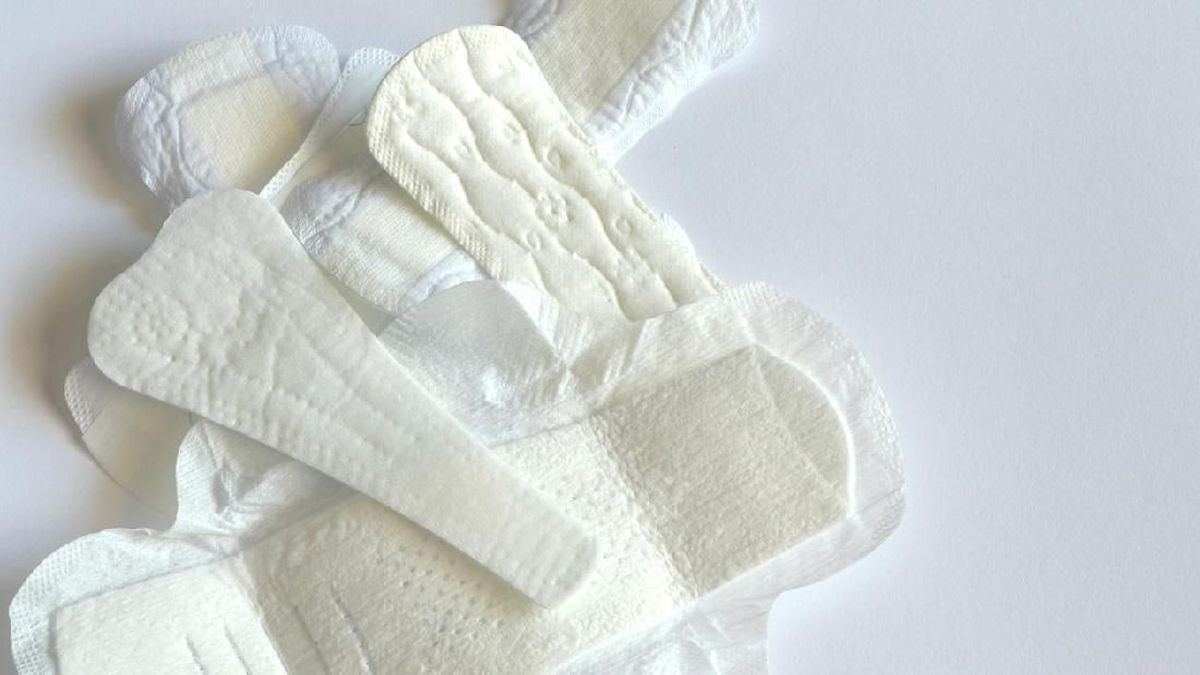
Globally, there are estimated to be over 1.8 billion menstruating individuals. In Indonesia, with a population exceeding 270 million, approximately 70-80 million women are of reproductive age. If even a fraction of these individuals consistently wash their disposable pads, the cumulative water consumption becomes astronomical. In a country where access to clean water can still be a challenge in many rural and urban informal settlements, and where water resources are increasingly strained by climate change and urbanization, such practices exacerbate water scarcity issues.
Beyond water consumption, the environmental footprint of disposable pads is already considerable. A single disposable pad is composed of up to 90% plastic, alongside other materials like cotton, wood pulp, and super-absorbent polymers. These plastics can take hundreds of years to decompose, contributing significantly to landfill waste and plastic pollution in oceans and waterways. The act of washing does not mitigate the plastic content; in fact, it can introduce microplastics into the wastewater system, which eventually find their way into aquatic ecosystems, posing risks to marine life and potentially entering the human food chain. Furthermore, the chemicals used in some pads, though regulated, can interact with water during washing, leading to unintended environmental releases.
Lack of Proven Hygienic Benefit and Public Health Concerns
A critical finding from the Indonesian research, corroborated by broader scientific understanding, is the absence of any demonstrable health benefits from washing disposable pads. From a microbiological standpoint, disposable pads are designed to contain menstrual fluid effectively. The materials used are generally non-porous enough to prevent significant leakage when properly wrapped. Washing a pad can, paradoxically, increase the risk of pathogen dispersal if done improperly, or if the wastewater is not managed effectively. It also involves direct handling of menstrual blood, which, while not a high-risk biohazard for most healthy individuals, should still be handled with basic hygiene precautions.
Public health authorities globally emphasize that the real hygienic imperative lies in regular changing of pads, proper handwashing before and after changing, and correct disposal. The focus should be on preventing bacterial growth on the pad itself by changing it frequently and then ensuring it is securely wrapped to prevent odor, pest attraction, and the spread of pathogens from the waste stream. Improper disposal, such as flushing pads down toilets (which can cause blockages) or discarding them openly (attracting pests and creating unsanitary conditions), poses a far greater public health risk than not washing a disposable pad.
Broader Impact and Implications
The debate and practice surrounding disposable pad washing illuminate several broader societal and environmental challenges:
- Menstrual Stigma and Education: The persistence of this practice underscores the ongoing need for comprehensive menstrual health education that destigmatizes menstruation and provides accurate, evidence-based information on hygiene management. Many women may continue the practice due to a lack of awareness about WHO guidelines or because cultural narratives outweigh scientific advice.
- Water Scarcity and Conservation: In regions facing water stress, every liter counts. Educating communities on efficient water use, including in personal hygiene, is crucial. The collective impact of individual water-intensive habits can strain municipal water supplies and ecological systems.
- Waste Management Infrastructure: Effective waste management systems are paramount. Whether pads are washed or not, their proper disposal requires accessible and functioning waste bins, regular collection, and environmentally sound treatment facilities. In many developing countries, inadequate infrastructure exacerbates the challenges of managing menstrual waste responsibly.
- Promotion of Sustainable Alternatives: The environmental concerns associated with disposable pads, including the water used for washing, highlight the growing importance of promoting sustainable menstrual products. Reusable cloth pads, menstrual cups, and period underwear offer eco-friendly alternatives that, while requiring cleaning, drastically reduce the amount of waste generated and can be more economical in the long run.
- Economic Burden: For households, especially those with multiple menstruating individuals, the added water consumption can translate into higher utility bills. While seemingly minor per pad, the cumulative cost over years can be significant, particularly for lower-income families.
Moving Forward: Education and Policy
To address this multifaceted issue, a concerted effort is needed from various stakeholders. National and local health ministries, alongside educational institutions and non-governmental organizations, should intensify campaigns to disseminate accurate information on menstrual hygiene management, aligning with WHO guidelines. These campaigns must be culturally sensitive, acknowledging existing practices while gently introducing evidence-based alternatives.
Public health communication needs to explicitly clarify the distinction between disposable and reusable products and their respective disposal/cleaning protocols. Messages should emphasize the importance of proper wrapping and disposal for disposable pads, highlighting the lack of additional hygienic benefit from pre-washing and the associated environmental costs. Simultaneously, advocacy for improved waste management infrastructure and the promotion of sustainable menstrual products should be prioritized. By fostering a more open and informed dialogue around menstruation, societies can move towards practices that are both culturally respectful, scientifically sound, and environmentally responsible. The goal is to empower individuals with the knowledge to make choices that benefit their health, their communities, and the planet, ensuring that menstruation is managed with dignity and sustainability.