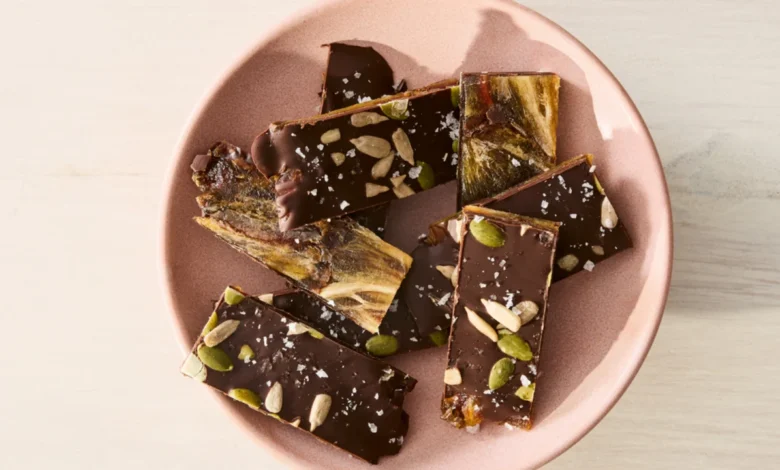
The landscape of modern nutrition is undergoing a significant transformation, shifting away from restrictive dieting toward a philosophy of functional "food as medicine." At the center of this movement is the emergence of nutrient-dense snacks that bridge the gap between indulgence and wellness. A primary example of this trend is the Sweet & Salty Pumpkin Seed Date Bark, a recipe featured in the latest publication from wellness expert and author Paige Lindgren. Titled Sync & Savor: Cycle-Based Nutrition for Hormone Health and Balance, Lindgren’s work highlights how specific ingredients, particularly magnesium-rich seeds and fiber-dense fruits, can be utilized to support physiological health while satisfying culinary cravings.
The recipe, which has gained traction among health-conscious consumers and social media audiences, leverages the nutritional profiles of pumpkin seeds, sunflower seeds, and dates to create a snack that is as functional as it is flavorful. According to Molly Knudsen, M.S., RDN, who reviewed the dietary impact of the dish, the inclusion of pumpkin seeds is particularly noteworthy due to their high concentration of magnesium and zinc. These minerals play critical roles in metabolic function, stress management, and immune support, making the chocolate bark more than just a dessert.
The Nutritional Profile of Key Ingredients
To understand the health implications of this snack, one must examine the specific biochemical contributions of its primary components. The chocolate bark relies on a base of dates, which are then layered with seeds and dark chocolate.
Magnesium: The Anti-Stress Mineral
Pumpkin seeds, the star ingredient of the bark, are one of the most potent plant-based sources of magnesium. Magnesium is often referred to by nutritionists as the "anti-stress mineral" because of its role in regulating the hypothalamic-pituitary-adrenal (HPA) axis, which is the body’s central stress response system. Research indicates that magnesium deficiency can lead to increased anxiety, insomnia, and fatigue. In the United States, data from the National Health and Nutrition Examination Survey (NHANES) suggests that approximately 50% of the population consumes less than the required amount of magnesium. By incorporating pumpkin seeds into a daily snack, individuals can more easily meet the Recommended Dietary Allowance (RDA), which typically ranges from 310 to 420 milligrams for adults.
Zinc and Immune Function
In addition to magnesium, pumpkin seeds provide a significant amount of zinc. Zinc is a trace element necessary for the activity of over 300 enzymes that aid in metabolism, digestion, and nerve function. It is also critical for the development and function of immune cells. For those following plant-based diets, finding bioavailable sources of zinc is a priority, and seeds serve as an excellent vehicle for this mineral.
Vitamin E and Antioxidant Support
Sunflower seeds, another key component of the recipe, are rich in vitamin E. As a fat-soluble antioxidant, vitamin E helps protect cells from oxidative stress by neutralizing free radicals. This is particularly important for skin health and the maintenance of a healthy cardiovascular system. The combination of seeds in the bark provides a diverse spectrum of micronutrients that are often missing from processed "convenience" snacks.
The Science of Blood Sugar Management
One of the primary concerns with traditional chocolate snacks is the "sugar spike and crash" cycle. Lindgren’s recipe addresses this through the use of Medjool dates and high-fiber seeds.

Dates serve as a natural sweetener, offering a lower glycemic alternative to refined white sugar. While dates are high in natural sugars, they are also packed with dietary fiber. Fiber slows the absorption of sugar into the bloodstream, preventing the rapid insulin spikes associated with traditional confectionery. According to Lindgren, this helps "keep blood sugar stable while still satisfying that natural sweet tooth."
The inclusion of healthy fats from the seeds and chocolate further blunts the glycemic response. When carbohydrates are consumed alongside fats and fiber, the digestive process is prolonged, leading to sustained energy levels rather than a fleeting "sugar high." This makes the bark an ideal afternoon snack for individuals looking to maintain cognitive focus without the mid-afternoon lethargy often caused by high-glucose treats.
Contextualizing Cycle-Based Nutrition
The recipe is a cornerstone of Lindgren’s broader nutritional philosophy: cycle-based eating. In her book Sync & Savor, Lindgren explores the relationship between dietary intake and the female hormonal cycle. This approach, often referred to as "cycle syncing," involves adjusting one’s diet, exercise, and lifestyle to align with the four phases of the menstrual cycle: follicular, ovulatory, luteal, and menstrual.
During the luteal phase (the period before menstruation), many women experience increased cravings for sweets and a higher metabolic demand for calories. There is also a noted drop in magnesium levels during this time, which can contribute to symptoms of premenstrual syndrome (PMS), such as cramping and irritability. The Sweet & Salty Chocolate Bark is designed to address these specific physiological needs. By providing a magnesium-dense, naturally sweet snack, it offers a functional way to mitigate PMS symptoms while honoring the body’s increased caloric requirements.
Chronology of the Functional Food Movement
The rise of recipes like the pumpkin seed date bark can be traced through a decade of shifting consumer behavior:
- 2010–2015: The Low-Calorie Era. The market was dominated by "diet" snacks that focused on calorie restriction, often replacing natural ingredients with artificial sweeteners and fillers.
- 2016–2019: The Superfood Boom. Awareness grew regarding specific ingredients like kale, quinoa, and chia seeds. Consumers began looking for "extra" benefits from their food.
- 2020–Present: The Holistic Wellness Shift. Following the global pandemic, there has been a surge in interest regarding immune health, hormone balance, and the gut-brain axis. Social media platforms like TikTok and Instagram have become hubs for "functional" recipes, where the "Date Bark" trend first went viral.
Paige Lindgren’s contribution represents the maturation of this movement—moving from viral trends to evidence-based, cookbook-quality formulations that prioritize long-term hormone health.
Preparation and Versatility
A significant factor in the popularity of this recipe is its accessibility. The preparation involves a simple process of flattening dates, layering them with nut or seed butter, sprinkling seeds, and topping with melted dark chocolate and sea salt. With a preparation time of approximately 10 minutes and a chilling time of one hour, it fits into the busy schedules of modern consumers.
Lindgren emphasizes the customizable nature of the dish. "I love texture, so I often add extra toppings like shredded coconut, hemp seeds, or crushed nuts on top," she notes. This versatility allows individuals to tailor the nutrient profile to their specific needs—for example, adding hemp seeds for extra omega-3 fatty acids or shredded coconut for medium-chain triglycerides (MCTs).

Market Impact and Consumer Demand
The publication of Sync & Savor and the circulation of its recipes come at a time when the global functional food market is seeing unprecedented growth. Market analysts estimate the industry will reach a valuation of over $300 billion by 2030. Consumers are increasingly willing to pay a premium for products and recipes that offer "clean labels"—meaning they are free from artificial additives and are made from recognizable, whole-food ingredients.
Furthermore, the "snackification" of the American diet—where traditional meals are replaced by smaller, more frequent snacks—has placed a higher burden on the nutritional quality of those snacks. If a person is replacing a meal with a snack, that snack must provide a balanced ratio of macronutrients and micronutrients. The chocolate bark, providing 2 grams of protein and 10 grams of healthy fats per piece, aligns with this need for "mini-meals" that provide genuine sustenance.
Expert Analysis and Broader Implications
From a clinical perspective, the emphasis on magnesium in Lindgren’s recipe highlights a critical area of public health. Chronic magnesium deficiency is linked to several long-term health issues, including type 2 diabetes, hypertension, and osteoporosis. By framing magnesium intake within the context of an enjoyable snack, wellness experts are able to improve dietary compliance.
"It’s about making health sustainable," says the editorial team at mindbodygreen. "When a snack tastes like a treat but functions like a supplement, it removes the friction often associated with ‘eating healthy.’"
The broader implication of the Sweet & Salty Chocolate Bark is the democratization of nutritional science. By translating complex concepts like magnesium bioavailability and glycemic load into a simple kitchen recipe, Lindgren and her contemporaries are empowering individuals to take control of their hormonal and metabolic health through the grocery store rather than the pharmacy.
As the trend toward cycle-based nutrition continues to grow, it is likely that more mainstream food producers will begin to adopt these ingredient profiles. For now, the DIY approach remains the gold standard for those seeking to maximize the nutrient density of their snacks. The pumpkin seed date bark stands as a testament to the fact that the most effective health interventions are often the ones that can be made in one’s own kitchen, using simple, whole ingredients.